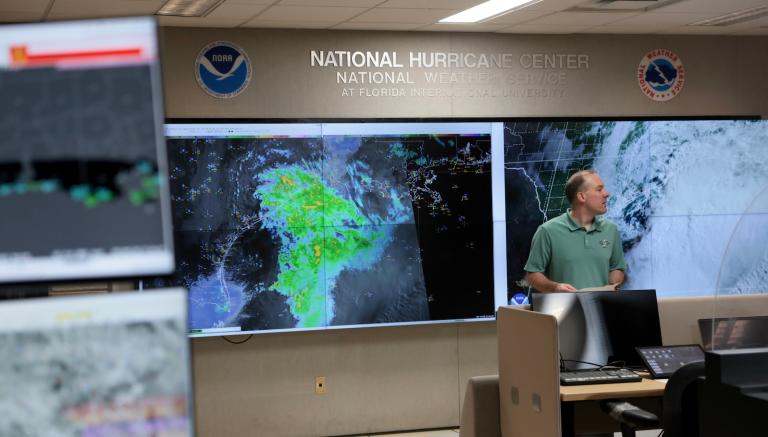
Something strange just popped up in the Gulf of Mexico: a hurricane. Well, not so much Hurricane Isaias, which strengthened into a Category 3 before its predicted landfall along the Florida Panhandle late Friday. It’s more the timing of it: This is the first Atlantic hurricane of the season, which began all the way back in June. That smashes the previous record in the satellite era for the latest first hurricane of a season, September 11.
“This is pretty astounding, really, to break a record by just about a month,” said Brian McNoldy, a senior research associate who studies hurricanes at the University of Miami.
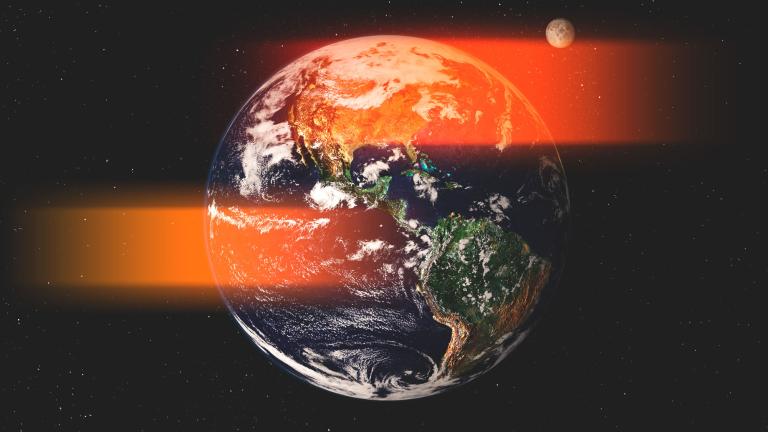
So what’s with the extraordinary delay? El Niño, of all things.
Even though that band of warm water is on the other side of the Americas in the Pacific, it messes with two of the fundamental ingredients for making hurricanes in the Atlantic: wind and humidity. To spawn a tropical cyclone, you need warm water, which provides energy, a... Read more