Combating climate change can feel particularly difficult these days. Countries, states, and municipalities across the globe are missing greenhouse emission reduction targets, and in the United States, President Donald Trump has rolled back key elements of his predecessor’s climate agenda.
Given the trajectory, it might be tempting for pro-climate policymakers to turn to more aggressive measures of getting people to take action, such as mandates, bans, or restrictions. People would then have to save the planet.
But a study published last week in the journal Nature Sustainability suggests that approach can carry real risks. It found that climate policies aimed at forcing lifestyle changes — such as bans on driving in urban centers — can backfire by weakening people’s existing pro-environmental values and triggering political backlash, even among those who already care about climate change. The findings suggest that how climate policy is designed may matter as much as how aggressive it is.
“Mandates can sometimes get you over a hump and tipping point, but they come with costs,” said Sam Bowles, an author of the paper and an economist at the nonprofit Santa Fe Institute. “There could be negative impacts that people don’t anticipate.”
Researchers surveyed more than 3,000 Germans and found that even people who care about climate change had a notably negative response to mandates or bans that did things like limit thermostat temperatures or meat consumption, which they saw as restricting their freedoms. The paper also compared that to people’s reaction to COVID-related requirements, such as vaccine and mask mandates. While researchers found a backlash effect, or “cost of control,” in both instances, it was 52 percent greater for climate than COVID policies.
“I didn’t expect that people’s opposition to [a] climate-mandated lifestyle would be so extreme,” said Katrin Schmelz, the other author of the study, who is also at the Santa Fe Institute. She said that people’s trust in their leaders can mitigate the adverse impact, and compared to the United States, Germans have fairly high trust in the government. That, she said, means she would “expect mandates to be less accepted and provoke more opposition here.”
Ben Ho, a behavioral economist at Vassar College, wasn’t involved in the study and wasn’t surprised by its findings. “This is fundamentally about how a society values individual values of liberty and expression against communal values like safety,” he said, pointing to a sizable body of similar research on the potential for backlash to climate policies. “What is novel about their work is to show that these backfire effects are still true today, and what is especially interesting is to connect their data to how people felt about COVID.”
The political consequences of climate-related mandates can be dramatic. In Germany, a 2023 law passed by the country’s then center-left government sought to accelerate the shift away from fossil fuels by effectively banning new gas heating systems and promoting heat pumps. Though the policy allowed for exemptions and subsidies, opponents quickly framed it as a ban, dubbing it the heizhammer, or “heating hammer.”
The measure became a potent symbol of government overreach, seized on by far-right parties and contributing to a broader public backlash against the governing coalition. “The last German government basically fell because they were seen to be instituting a ban on gas,” said Gernot Wagner, climate economist at Columbia Business School. The current government is attempting to roll back the legislation.
Germany’s experience underscores the risks the study identifies. Policies that are perceived as restricting personal choice can trigger resistance that extends beyond the measure itself, weakening public support for climate action more broadly. So far, policies in the U.S. have largely avoided such opposition. That’s largely because American climate policies have historically been much less aggressive, with even progressives rarely turning to outright bans. But there is both precedent for a potential backlash and inklings of potential fights to come.
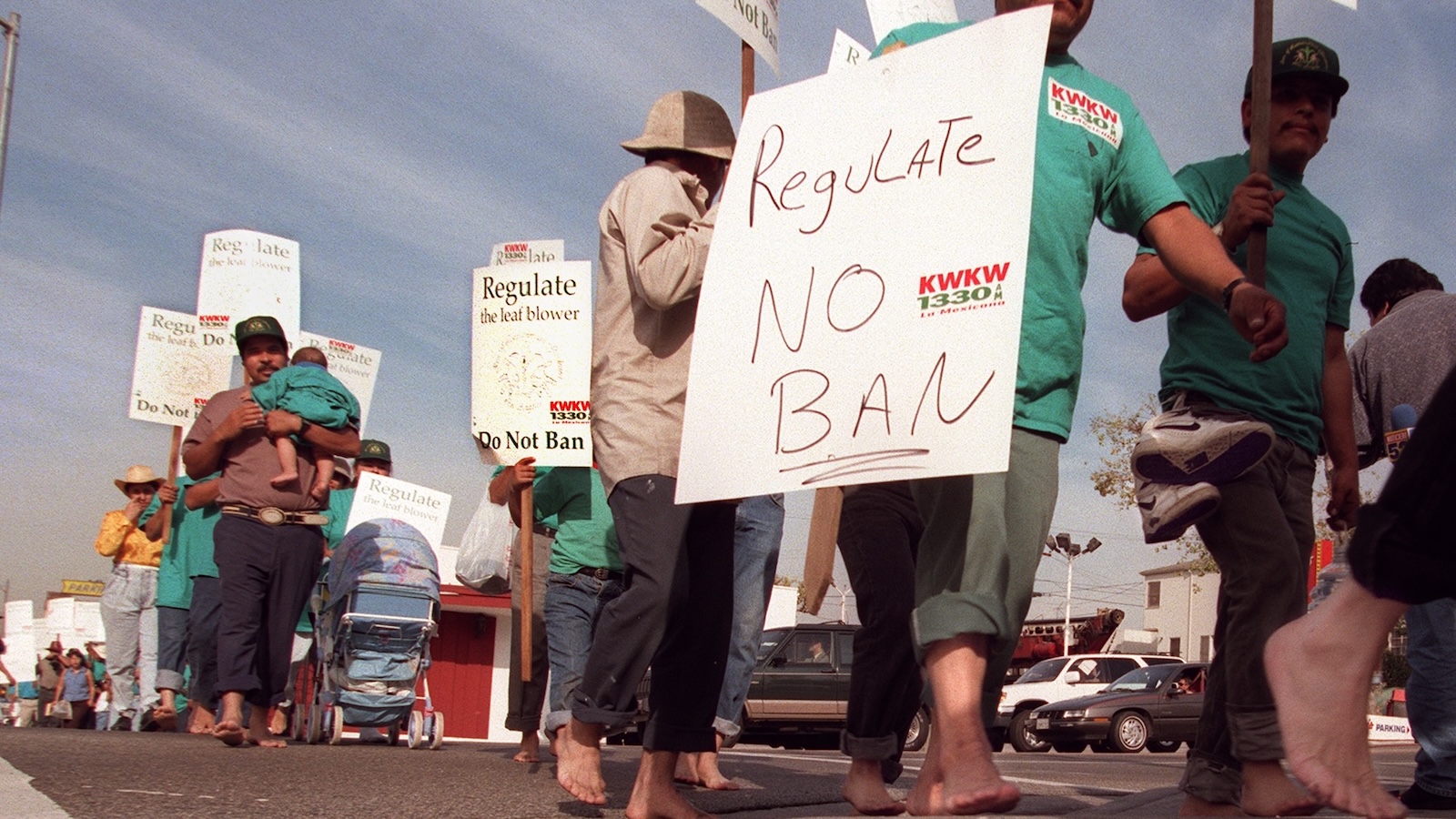
The 2007 Energy Independence and Security Act, for example, laid out the path to gradually phase out incandescent light bulbs. That led to the Light Bulb Freedom of Choice and Better Use of Light Bulbs acts, two 2011 bills that the then-burgeoning tea party movement pushed, without success. Today, methane, also known as natural gas, is at the center of similar cultural fights as cities attempt to ban new hookups and take other steps to curtail its use.
Opponents of climate action seem to have become aware of the power of bans to spark backlash, too. President Trump regularly refers to fuel-efficiency benchmarks as an electric vehicle “mandate.” The natural gas industry has also framed efficiency standards for gas appliances as bans and used the backlash effect to help successfully delay other explicit bans on gas in new construction, such as in New York state.
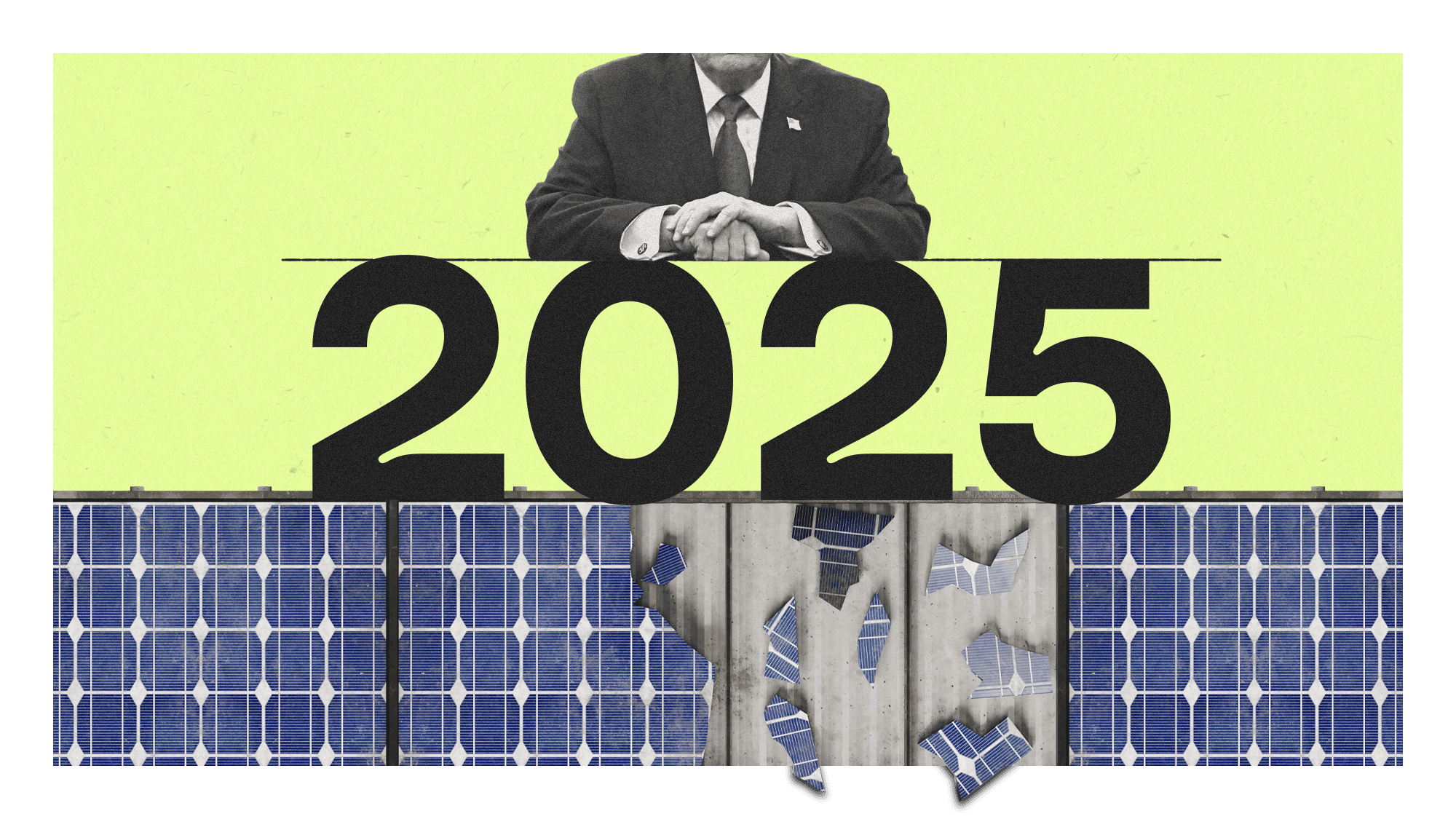
On its face, research like this can put lawmakers in a difficult position: If a policy isn’t aggressive enough, it won’t do much to combat climate change. But if it’s too aggressive, people could turn against it or even the entire political movement behind it, as in Germany, and progress can stall.
“This doesn’t mean we should give up on climate policies,” said Ho. “It just means we should be more mindful in how policies are designed, and that trust could be a key component.”
Schmelz and Bowles both point to a similar conclusion, and say that any policy should at least consider the plasticity of citizens’ beliefs and values. “Ethical commitments and social norms are very fragile and they’re easily destroyed,” Bowles said. Schmelz added that people in power “can upset and reduce willingness to cooperate by designing poor policies.”
One way that policies can avoid backlash is by focusing less on banning a particular action and instead on making the other options more abundant and more attractive (by adding tax incentives or rebates, for example). “Offering alternatives is helping in enforcing green values,” Schmelz said. Another option could be aiming to make climate-unfriendly activities more expensive rather than restricting them. As Bowles put it, “people don’t feel like they are being controlled by a higher price.”
The closer a policy gets to people’s personal lives, they say, the more important it is to be mindful of potential missteps. The authors also emphasize that they aren’t claiming mandates or bans never work — seatbelt laws and smoking restrictions have become commonplace, for instance. But those were enacted in a different era and there was little public dissent about their benefits to personal health.
“There was always somebody in that person’s family saying, ‘No, look, sweetheart, I really wish you would be wearing your seatbelt,'” said Bowles. “We don’t have that in the case of the environment, so it’s a much greater challenge to shift the rhetoric.”
But ultimately, Bowles said the broader message that he wants to convey is that people are generally generous and want their actions to align with their values. This new research underscores the need for policies that help them embrace that inclination, rather than temper it, which mandates or bans can do.
“People have a lot of good values,” he said. “When we look at our citizens and are designing policies, don’t take them to be jerks.”
A message from
Your support keeps our climate news free.
Grist is the only award-winning newsroom focused on exploring equitable solutions to climate change. It’s vital reporting made entirely possible by loyal readers like you.
At Grist, we don’t believe in paywalls. Instead, we rely on our readers to pitch in what they can so that we can continue bringing you our solution-based climate news. Donate today to keep our site free.