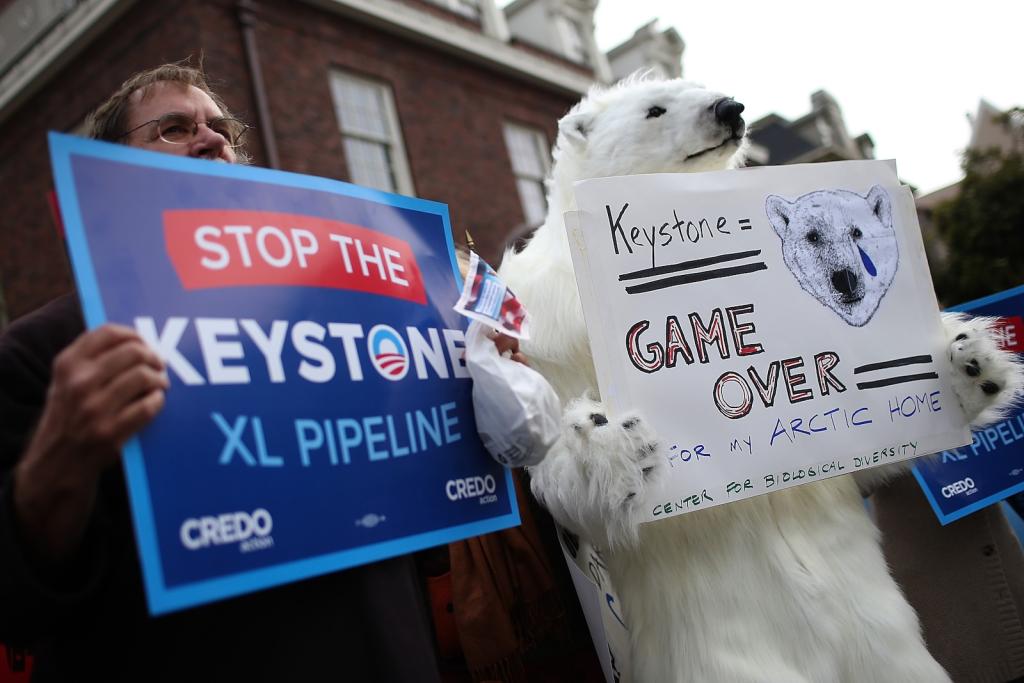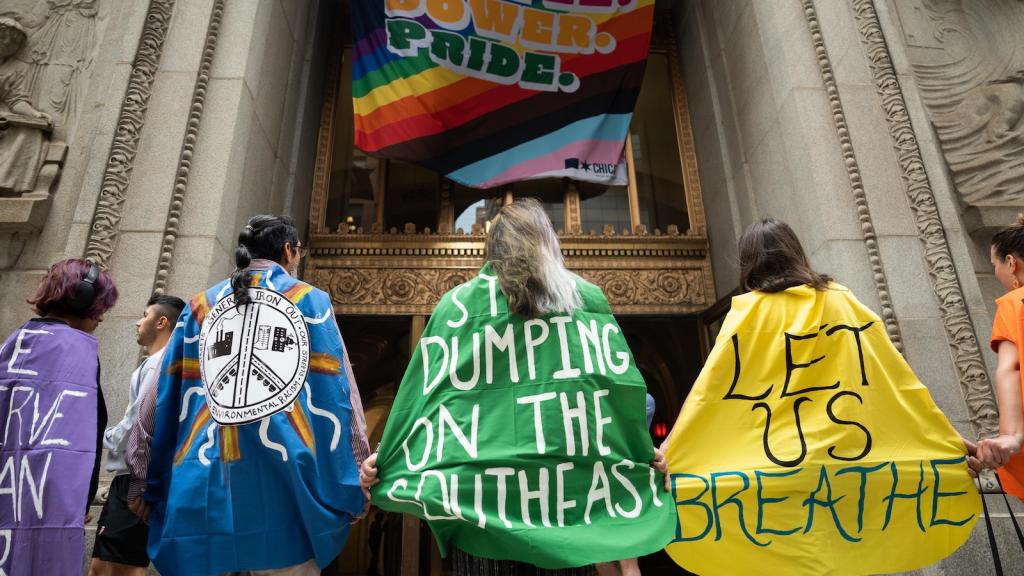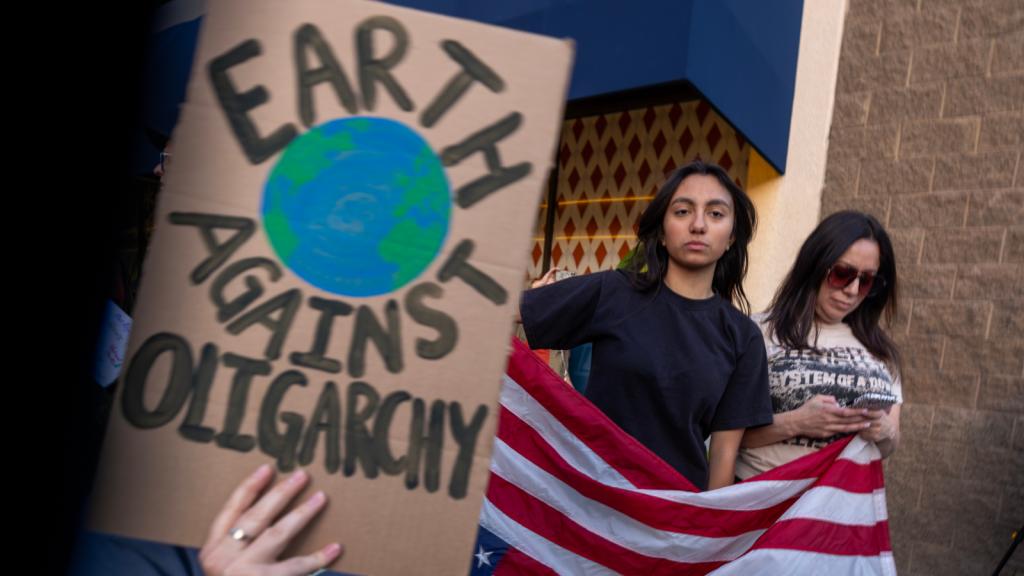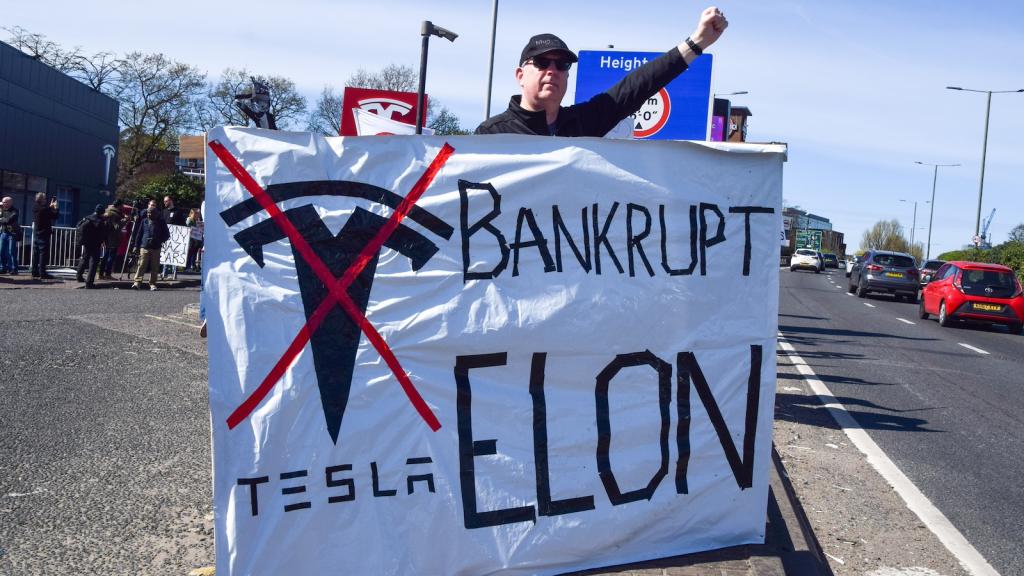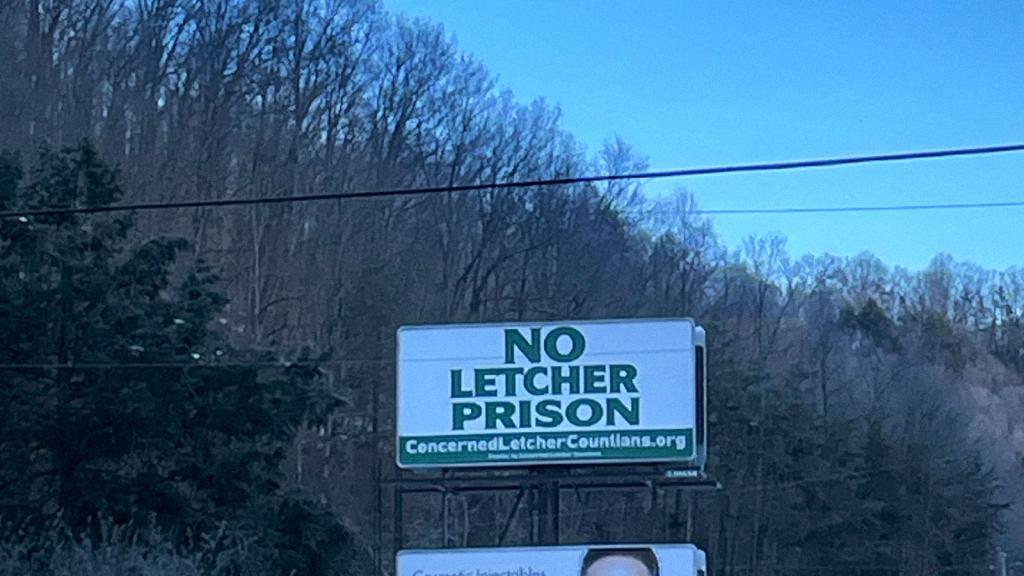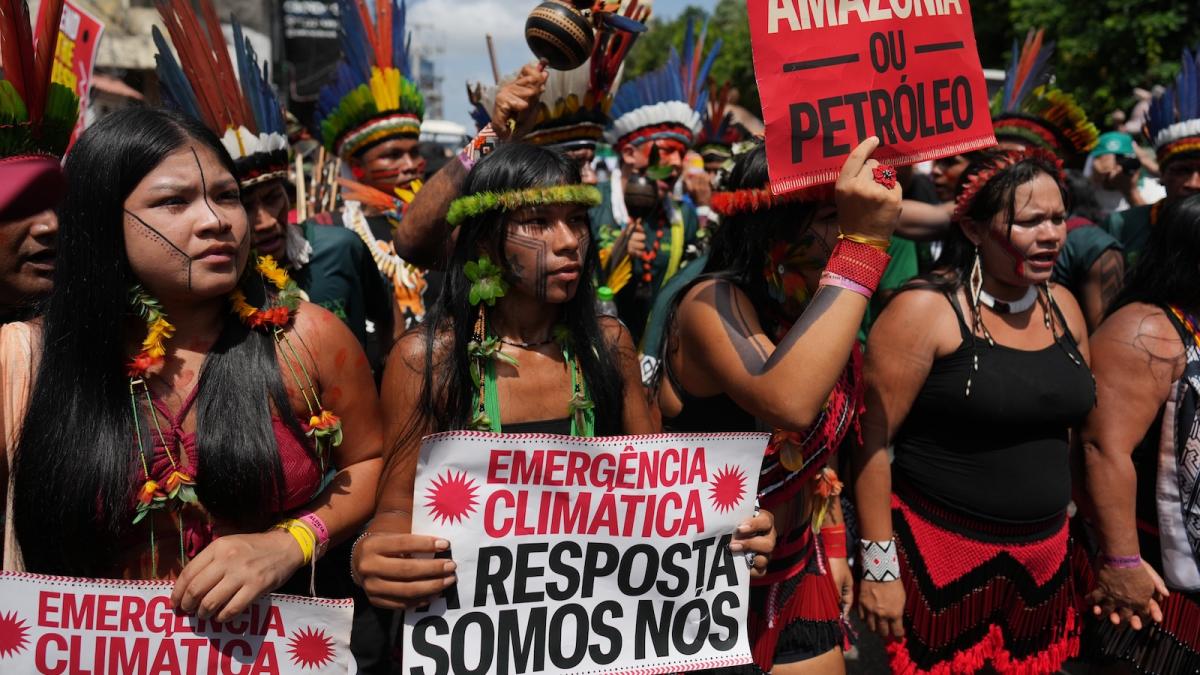
A new study published this month in the journal Environmental Politics reveals that efforts to repress climate and environmental protest are growing worldwide through a combination of new legislation, novel uses of existing legal processes, police actions, vilification of activists, and both violence and killings. The authors contend that acts of repression are likely to expand and intensify as authoritarian regimes roll back climate policies, with a particular focus on President Donald Trump’s actions in office criminalizing protest, increasing police power, and publicly attacking climate and environmental commitments.
The authors say the effects of this “repertoire or repression” are threefold. First, a risk of legal sanctions, carceral punishment, and violence diverts resources from movements and deters environmental action. Second, criminalization delegitimizes climate movements in the public eye by framing them as counterproductive, criminal, or dangerous. And third, that criminalization and enforcement of new legislation diverts attention from climate change by focusing conversations on ‘extremists’... Read more