agriculture
-
![]()
![]()
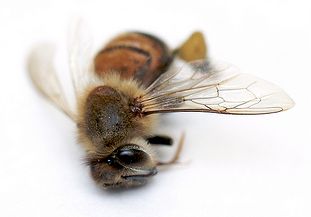
Pesticides loom large in animal die-offs
Yale’s Environment 360 has a new must-read report by Sonia Shah linking pesticides to the high-profile die-offs among amphibians, bees, and bats. What makes this news timely isn’t necessarily the toxicity of the pesticides per se, it’s the indirect effects on these animals of chronic, low-dose exposure to chemicals: In the past dozen years, no […]
-
![]()
![]()
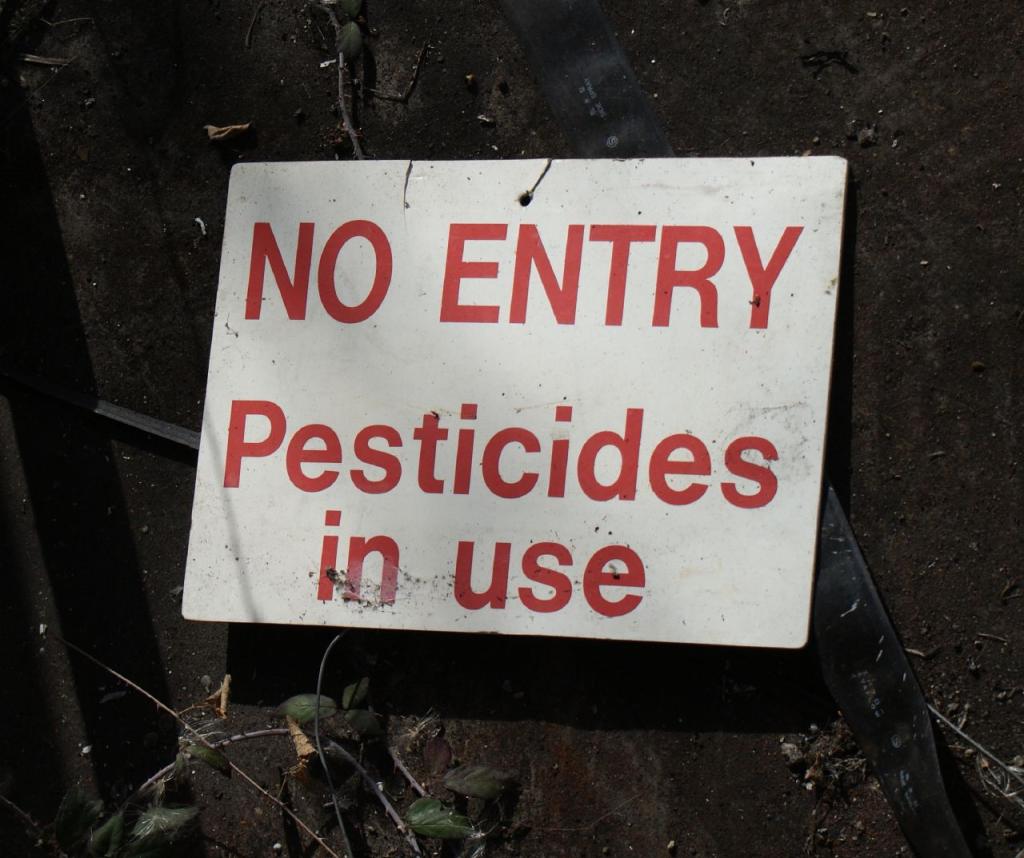
New report calls for atrazine review
An important new report on atrazine was published yesterday and it’s about time. Pesticide Action Network and Land Stewardship Project have brought together the science and farming communities to make a strong statement about the need for a new review of the herbicide atrazine and to outline alternatives for its use. I’ve followed the atrazine […]
-
The Nitrogen-Biochar Link
by Tom Konrad, Ph.D. Promoters of Biochar should ally with fishermen and other groups concerned about ocean dead zones caused by nitrogen runoff. The folks at the Carbon War Room are trying to save the world by tackling the trickiest problems in addressing climate change. One of their current focus points is biochar [pdf]. […]
-
![]()
![]()
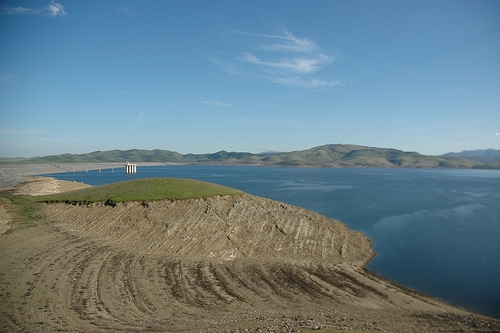
California’s water woes worsen
NASA just released a disturbing report on California’s shrinking water supplies: New space observations reveal that since October 2003, the aquifers for California’s primary agricultural region — the Central Valley — and its major mountain water source — the Sierra Nevadas — have lost nearly enough water combined to fill Lake Mead, America’s largest reservoir. […]
-
U.S. takes daft position on agriculture at climate talks
Things are not looking good on the agriculture front at the Copenhagen climate talks. According to a representative from the Institute for Agriculture and Trade Policy, a group dedicated to sustainable agriculture and trade policy, American negotiators are being, um, less than productive: Long, long meeting this afternoon (Dec. 10) on sectoral language for agriculture. […]
-
![]()
![]()
Is Wal-Mart the future of local food?
Local food gets the Wal-Mart treatment. One of the most important historic developments in the food economy is embodied in this statistic: in 1900, 40 percent of every dollar spent on food went to the farmer or rancher while the rest was split between inputs and distribution. Now? 7 cents on the dollar goes to […]
-
![]()
![]()
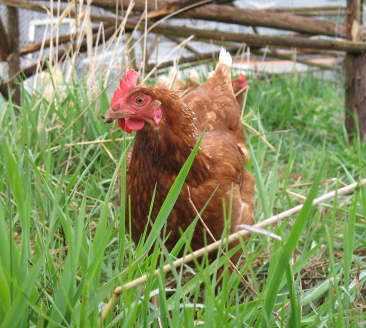
In a Minnesota project, free-range chickens spell broad-based economic development
Ecomomic splendor in the grass. I just completed a profile of one of the most exciting food production ideas I have seen in a long time. Hillside Farmers Co-op. in Northfield, Minnesota, initiated by Latino immigrants, raises free-range chickens on scattered small, one-quarter acre sites. This makes it a great model for urban farmers as […]
-
![]()
![]()
The localization of agriculture
In the United States, there has been a surge of interest in eating fresh local foods, corresponding with mounting concerns about the climate effects of consuming food from distant places and about the obesity and other health problems associated with junk food diets. This is reflected in the rise in urban gardening, school gardening, and […]
-
![]()
![]()
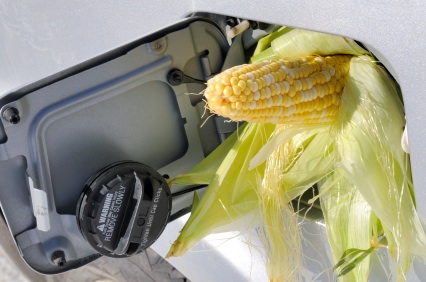
EPA punts on raising ethanol ‘blend wall’
I have been following the Great Ethanol Blend Wall fight for some time. In a nutshell, ethanol companies have been struggling mightily during the recession. In response, industry group Growth Energy petitioned the EPA to allow gasoline to contain up to 15 percent ethanol rather than the current 10 percent. This demand also had the […]