Climate Technology
All Stories
-
![]()
![]()
How the smart grid of the future will prevent power outages for millions
Right now there are millions of people without power thanks to the wind and heavy rainfall that accompanied hurricane Irene, and I'm one of them. It sucks. Having to call the utility company just to let them know that they've failed me once again is a symptom of our antediluvian electricity distribution system.
Commonwealth Edison of Northern Illinois thinks so, too. Recently, they explained to the Daily Herald how a smart grid would have prevented outages for hundreds of thousands of their customers in the wake of recent July storms.
-
How to get paid to save the electrical grid
On the hottest days of the year, it's not uncommon for regional electricity systems to become so overloaded by demand that they come within a hair’s breadth of failing completely. (It happens in Texas all the time.)
Fortunately, utilities have come up with a cheap and easy way to overcome this problem: they offer their customers a cash incentive to sign up for a special kind of thermostat over which the utility has limited control. Then, when it gets nasty out, the utility can literally save the grid by turning up the temperature in your home just a teeny tiny bit. This is what's known as "demand response."
-
![]()
![]()
Fracking sadface: U.S. has one-fifth the shale gas once projected
"Oops," says the United States Geological Survey, "We used to think the shale on the East coast of the U.S., which gas companies are currently fracking into submission, had a metric buttload of natural gas. Turns out it only 0.2 metric buttloads." (I'm paraphrasing.)
-
![]()
![]()
Poop-fueled batteries could clean water while generating energy
If there's one thing humans can apparently generate an endless supply of, it's shit. So why not use that to produce things we need but don't have enough of, like clean water and energy? Environmental engineer Bruce Logan is developing fuel cells that may be able to do that, cleaning wastewater while generating and storing energy.
-
Number of electrified vehicles to increase 4,500 percent in six years
By 2017, there will be 5.2 million plug in hybrid and all-electric vehicles on the road worldwide, says Pike Research. Add in 8.7 million hybrid vehicles, and the total population of electrified autos in the world is set to increase 46-fold from the measly 114,000 that currently ply our roads. Despite this explosive growth, that […]
-
![]()
![]()
Taste of things to come: Texas drought to shut down power plants
Hey, you know what's wild about Texas turning into a gigantic desert thanks to climate change? I mean besides the fact that this makes it basically Kuwait-on-the-Rio-Grande? Many of the state's power plants, which rely on fresh water to produce electricity, could be shut down by the lack of water.
-
![]()
![]()
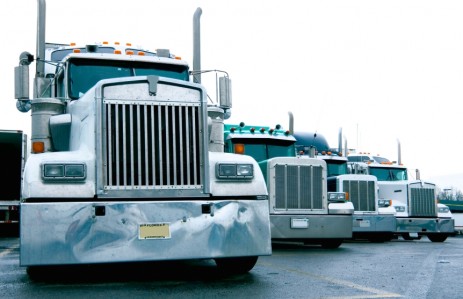
The trucks of the future will have skirts, tails, and fins
This month, the White House announced the first-ever fuel efficiency standards for heavy trucks — heavy pick-ups, work vans and trucks (think the Frito-Lay delivery guy), and tractor-trailers. The people who make these behemoths have never had to think about fuel economy before, but now they do. And there's lots of room for improvement.
-
Critical List: Hurricane Irene headed for East Coast; EPA totally creates jobs
East Coasters may not know what do in an earthquake, but a hurricane's coming, too. That, we know about.
The Obama administration is looking into "leasing" nuclear fuel from other countries, which would let American plants use the uranium, then return it for disposal once the fuel is spent. It’s like a bottle-return program, but with much higher stakes.
Chinese consumers want cars, not those namby pamby EVs.
-
![]()
![]()
You shouldn’t be able to buy soda with food stamps
The USDA has rejected New York City's proposal to block the use of food stamps to buy soda. Anti-hunger advocates joined the soft-drink industry in rejoicing, but they've got it all wrong.
-
![]()
![]()
Do your clothes contain toxic chemicals?
Chemicals in clothing can break down in water into hormone-disrupting nonylphenol (click the infographic to embiggen). If you want to avoid dumping this crap in the waterways, you have two choices: One, never wash your clothing -- which, on top of being gross, will probably not be that effective, since wastewater discharges from textile plants sluiced nonylphenol out into the waterways before your clothes even hit the store. Or two, opt for clothing from companies that don't use nonylphenol-producing chemicals (called nonylphenol ethoxylates, or NPEs). According to research from Greenpeace, though, that might be tough. Of the 15 brands they tested for NPEs, only Gap had zero positive results.