Articles by Clare Leschin-Hoar
Clare Leschin-Hoar covers fishing and sustainable seafood. Her work has appeared in The Wall Street Journal, The Christian Science Monitor, Scientific American, Eating Well, and many more. In May, she was selected as a 2011 Seafood Champion by the Monterey Bay Aquarium. Follow her on Twitter.
All Articles
-
![]()
![]()
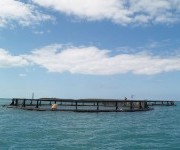
Ocean of trouble: Report warns of offshore fish farming dangers
In light of the FDA's recent approval of genetically engineered salmon, the latest Food & Water Watch report on open-ocean aquaculture might leave some advocates feeling a little clammy.
-
![]()
![]()
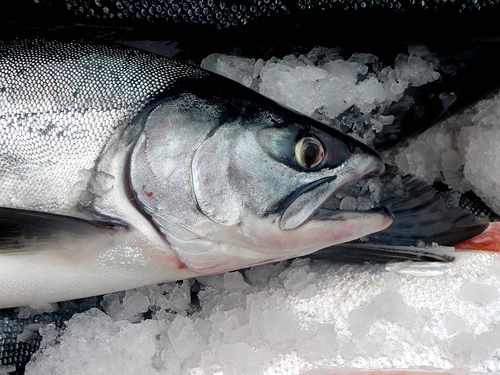
Feds help GMO salmon swim upstream
Although the FDA approval process has been stalled, a new grant from the USDA suggests salmon may yet become the first genetically engineered animal to be approved for human consumption.
-
![]()
![]()
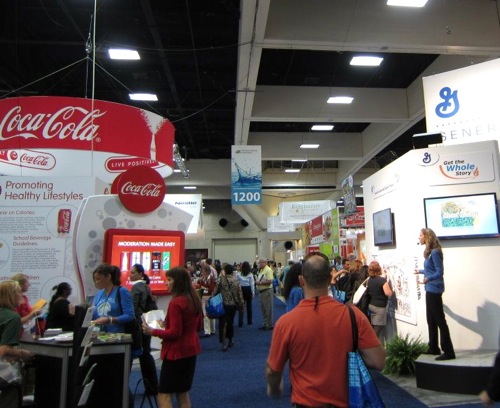
Big Food exerts unhealthy influence on America's nutritionists
If their annual conference is any indication, the organization that defines nutrition in this country -- The American Dietetic Association -- works very closely with processed-food titans like Monsanto, Hershey's, Coca-Cola, and Cargill.
-
![]()
![]()
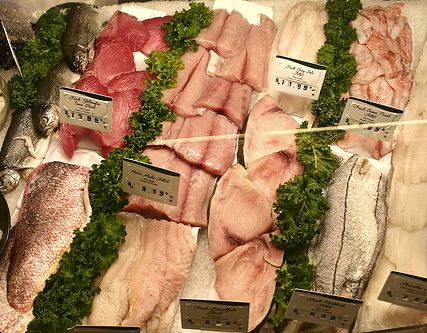
Small fry: The case for smaller fish portions
New science says smaller fillets are more sustainable -- but not just for the reasons you'd expect.