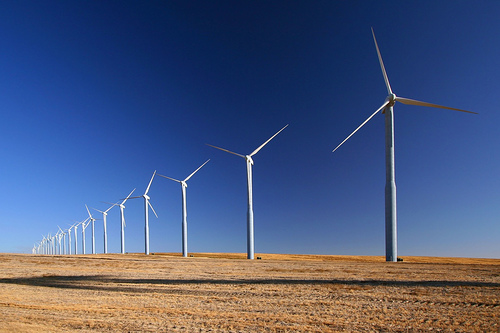
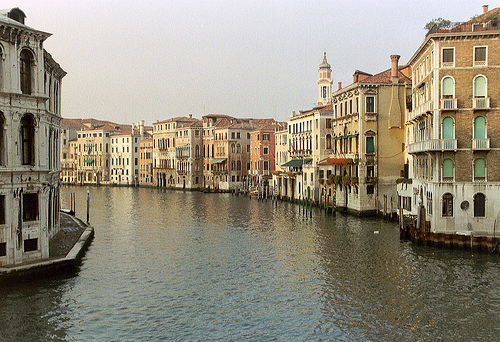
London, during the coal-caused "Great Smog" of 1952. (Photo courtesy of Geograph.)Germany just set a new record in solar energy production, creating 14.7 terawatt-hours of electricity over the first six months of 2012. Solar energy covered between 10 and 50 percent of the country's peak hour demand on average every day. Nice work, Germany!
Meanwhile, elsewhere in Europe (and also in Germany):
Demand for coal, the dirtiest fuel for making electricity, grew 3.3 percent last year in Europe while sales of less-polluting natural gas fell 2.1 percent, the steepest drop since 2009, according to a BP Plc report.
Oh man, Europe, what happened? We thought you were cool.
But even with some European Union member nations implementing efforts to increase the cost of carbon pollution, coal is still less expensive than the alternatives. And Europe has its enablers:
Cheaper coal was made possible partly by a 49 percent jump in first-quarter imports from the U.S., Energy Information Administration data show.
The fracking boom in the U.S. has led to a big drop in coal use, meaning that we're now free to export that coal to Europe.
Ha ha. Um, sorry, guys.

Sarah Palin proves there's no such thing as global warming
"If people aren't pissed off, it ain't working": A chat with Tom Steyer
Scientists could extract gold with cornstarch instead of cyanide
Photo by Jim Maragos/U.S. Fish and Wildlife Service.
Image courtesy of NASA.
The headquarters of Duke Energy, where Bill Johnson worked for a bit. (Photo by
Photo by
An as-yet unhelpful scientific indicator. (Photo by
The tastiest / most scientifically pertinent part. (Photo by
Photos taken over Australia and China during one flight. (Photo by
The North Carolina State Capitol, where "democracy" happens. (Photo by