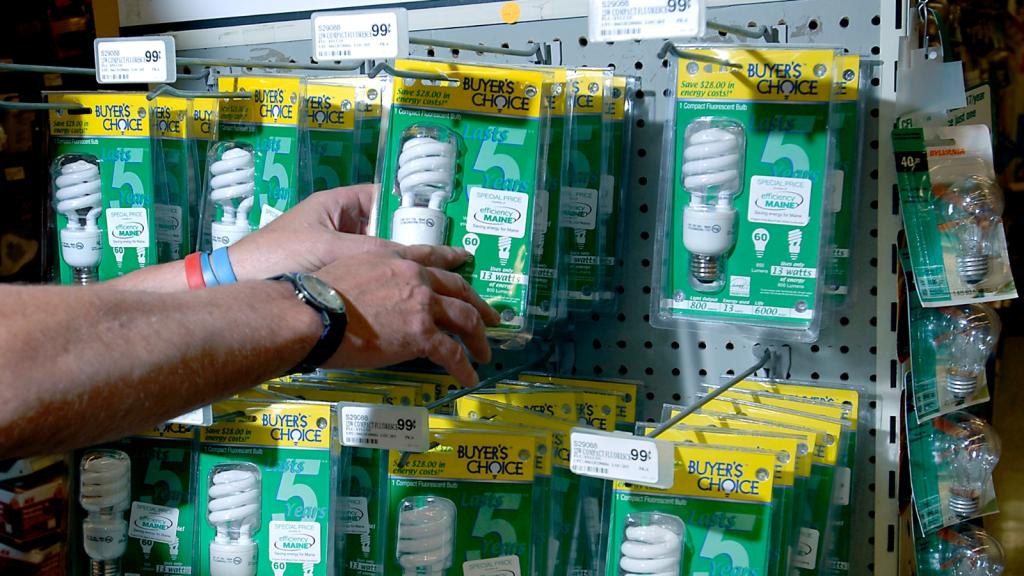
Silicon Valley gets excited about clean-energy tech Rising oil prices and increasing competition from fast-developing countries like China have some energy entrepreneurs in California's tech-savvy Silicon Valley increasingly excited about the potential of good ol' American ingenuity to curb the world's addiction to fossil fuels -- and make a buck doing it. Companies like SunPower are working to make solar panels among the most efficient in the world, and Genencor expects to be able to make clean-burning plant-derived ethanol competitive with gasoline in three to five years. Bob Epstein, founder of Environmental Entrepreneurs, a Silicon Valley clean-technology group, sees the …
Business & Technology
Baby, You Can Drive My Car — In 2010
Lots more hybrids and hydrogen cars in the pipeline We begin with a public service announcement: Quit driving so damn much. Ride your bike. Take a bus. Walk. OK, with that out of the way, we turn to auto news, which is plentiful. Ford announced it would add four new hybrids to its lineup, at least one by the end of the year. GM announced that it would add two, both SUVs. GM also made a splash by unveiling the Sequel, a hydrogen fuel-cell-powered car with a range of 300 miles, something of a milestone in the hydrogen car biz. …
Re-Bay
eBay joins tech companies to launch electronics recycling program Wondering what to do with that old Commodore 64 or Macintosh II gathering dust in your basement? According to an eBay survey, you're not alone -- some 50 percent of American households have unwanted PCs in storage. That's why the online auction giant has launched an electronics recycling program they call Rethink. In a partnership with environmental groups, postal services, and major tech names including IBM, Intel Corp., Apple Computers, and Hewlett-Packard, eBay will serve as a conduit for sales, donations, or recycling of old electronic equipment. Enviros hope the program …
Father of the Bribe
Monsanto agrees to pay $1.5 million in penalties for Indonesian bribes When agrochemical giant Monsanto's bid to introduce genetically modified cotton to Indonesia was met with widespread protests from farmers and activists, it bribed a government official in order to avoid having an environmental impact study conducted on its GM crop. Yesterday Monsanto agreed to pay $1.5 million in fines -- $1 million to the U.S. Justice Department and $500,000 to the Securities and Exchange Commission -- for violating the Foreign Corrupt Practices Act. The proximate cause was a $50,000 payment to a member of Indonesia's Ministry of the Environment, …
The Next Asbestos Thing
Specter pushing asbestos-claims bill that would create trust fund Amid a continuing flood of lawsuits against the allegedly cancer-causing asbestos industry, the new chair of the Senate Judiciary Committee, Arlen Specter (R-Pa.), has drafted a bill to try to stem the flow. Specter's legislation would establish a trust fund into which asbestos companies would pay billions of dollars to compensate victims; victims would be allowed to return to the courts if their claims remained unpaid. Past attempts to establish an asbestos victim trust fund, most recently in 2003, have failed, as asbestos-victims advocates maintain that the roughly $140 billion proposed …
Turn on, Tune in, Drop Out
ConocoPhillips withdraws from Arctic Refuge lobbying group ConocoPhillips, the third-largest energy company in the U.S., has withdrawn from Arctic Power, a lobbying group the sole purpose of which is to convince Congress to allow oil drilling in the Arctic National Wildlife Refuge. The company is playing down what it calls "merely a business decision," saying its intent is to focus on getting more black gold out of its current holdings on Alaska's North Slope. However, enviros and socially responsible investors are playing up the role of a campaign they organized, culminating in a shareholder resolution, urging the company to drop …
Harmer’s Market
Energy execs vacation with Bush admin officials -- innocently, of course High-level Bush administration environmental officials and members of Congress are canoodling with energy execs at a posh resort in Arizona this week, discussing policy over golf, wine, and canapes. They are, of course, shocked -- shocked! -- at the implication that anything untoward, like, say, purchasing of influence, might be going on. After all, says an Interior Department spokesflack, "it is not uncommon for these business sectors to be linked to the issues that the Department of the Interior handles on a regular basis." Um, exactly. According to the …
Traders to the Cause
E.U. launches mandatory carbon-trading market With the new year began a "new era for European business," according to Peter Koster, head of the fledgling European Climate Exchange, the world's first mandatory market for carbon emissions trading. Under the Kyoto Protocol, ratified in October and set to go into force in February, the European Union agreed to reduce its carbon emissions by 8 percent from 1990 levels by 2012. The 25-country union began the first phase of its plan to achieve the reductions on Saturday, setting new limits, to be finalized in February, for some 12,000 of its industrial plants in …
Something Old, Something Newmont
Mining giant Newmont continues to juggle pollution claims and lawsuits The last two weeks have seen a continued flurry of activity surrounding charges that mining giant Newmont fouled the environment and sickened villagers around its operations in Indonesia's Buyat Bay. The New York Times revealed a 2001 internal memo from a Newmont VP recommending a cut in executive bonuses (horrors!) because the company had claimed -- falsely -- to adhere to American environmental standards in its global operations. The Times also exposed an internal company audit revealing that Newmont's Indonesian operation spewed some 17 tons* of mercury into the air …
An interview with John Mackey, founder of Whole Foods
John Mackey wants you to buy his organic squash. He's the Bill Gates of organic foods. John Mackey, founder and CEO of the Whole Foods empire, started his original health-food store, called Safer Way, in a garage in Austin, Texas, in 1978. Local farmers would drop off produce from junky old pickups, hippie bakers would supply nut loaves and 20-grain bran muffins. It was strictly vegetarian, just like Mackey himself. But he soon realized he'd have to change his tune if he wanted to hit the big time, and change it he did. Whole Foods now offers everything from beer …

Spared by climate change: 10 best cities to ride out hot times
This pedal-powered contraption can run a computer or churn butter
Zen and the art of bridge maintenance