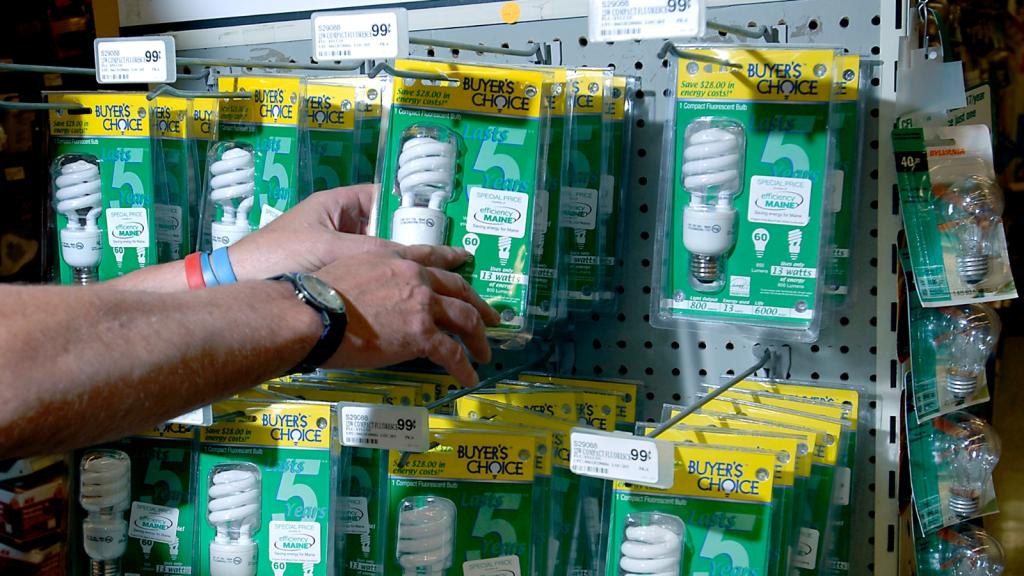
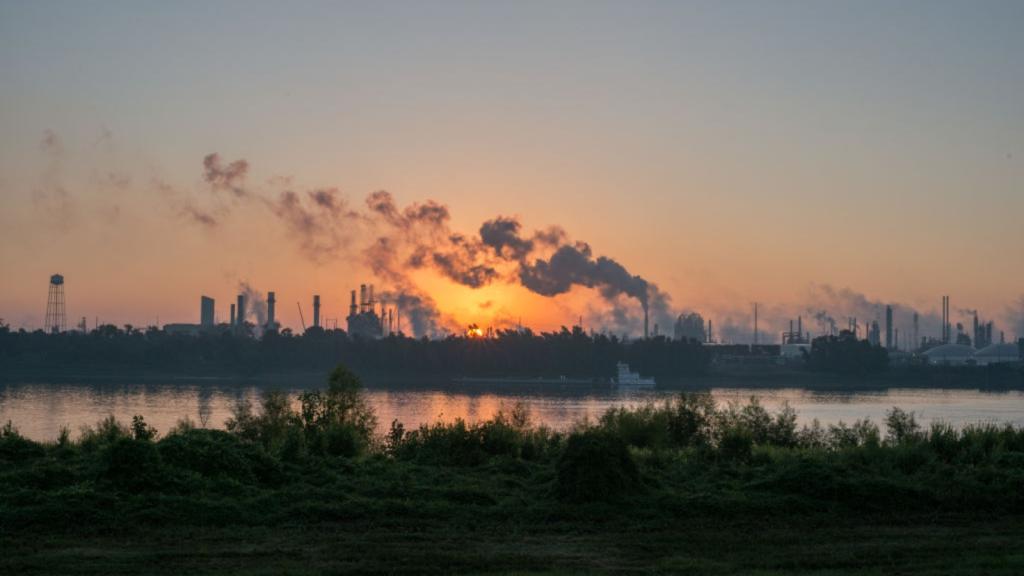
I mean, Dave Weigel is a journalist! He wouldn't make things up. What a relief! Rush Limbaugh was right, it's not hot at all, it's just those scientists confounding your mind. Incidentally, Weigel tried for an alternate joke, but, uh, it wasn't a joke: Listen to the end of Limbaugh's rant, and weep.
More Articles
Meet your newest green candidate: Double Rainbow guy
It turns out that Double Rainbow guy, everyone's favorite non-cat meme producer since Tay Zonday, has a name (it's Paul Vasquez) and a face (it's sort of Cheech Marin meets Hurley). He also has an alternative energy platform and a presidential campaign, of sorts. A Facebook app called Votocracy allows normal (for some value of "normal") people to declare their candidacy, garner votes, and even debate each other in a sort of American Idolesque shadow campaign. In a race where the "serious" candidates have included Michele Bachmann and Donald Trump, it's becoming increasingly hard to distinguish this kind of reality-show …
Why doesn't the U.S. government allow teleworking when it's hot?
Feds are allowed to stay home when it snows, but not when it's so hot that the pavement is literally melting. Wha? Miles Grant of the National Wildlife Federation, writing in an unofficial capacity on his blog: If federal government workers were allowed to telework in the most extreme heat (say, on days when the heat index is forecast to be over 105), there would be several real benefits: Air quality. The Metropolitan Washington Council of Governments is forecasting unhealthy air for the next few days thanks to a combination of heat and ozone pollution. With about 103,000 federal workers …
Which cities pay the most for gas?
Which cities eat up the most gas? Mint.com has the lowdown on how often their users buy gas every month, and how much they spend (click for a larger infographic). The slobbiest gas guzzlers, according to Mint data, are San Jose, Calif. and Birmingham, Ala. The daintiest gas sippers are New York, Brooklyn (a kind of New York), D.C., and Boston -- places with robust public transportation systems. (And also, to be fair, places where it's expensive to buy gas -- people who commute into the city would be crazy not to buy gas in their own suburban enclaves, and …
Warren Buffet's crazy-like-a-fox plan to revive America's auto industry
Warren Buffett, legendary investor and one of the world's richest people, is about to leverage his part-ownership of China's largest battery manufacturer to deliver a shot in the arm to America's ailing auto industry. Here, apparently, is how he plans to do it: BYD autos, one of his few overseas investments, into which he plunged $230 million in 2008, may finally bring Chinese-made electric vehicles to the U.S. But batteries are very heavy and therefore expensive to ship thousands of miles! Also, Buffett is a known patriot, so if his Chinese holding makes all that stuff overseas and just ships …
Climate scientist: It's only going to get hotter
It's tricky to talk about the link between heat waves like the one half of America is suffering under and climate change. But climate scientist Peter Gleick does a good job. He writes: Not only is it hot, it's hotter than it used to be … It's going to get even hotter. A lot hotter. Global warming is causing or worsening some of the extreme weather we're seeing. This influence of climate change on some extremes, including especially heat waves and heavy precipitation and some kinds of storm and flood events must no longer be waved away, swept under the …
Critical List: Financial assistance for cooling costs down; Atlanta's trees are dying
Stuck in a heat wave? Can't afford A/C? Too bad: Groups that dole out government assistance for cooling have had their funding cut and have turned away up to 80 percent of applicants. Today's the first anniversary of the climate bill's death. Atlanta loves trees! It charges $1,000 to chop one down. But drought, storms, invasive species, and natural causes get to kill trees for free, and they’re are all contributing to a large-scale die-off. A federal agency created new rules for constructing interstate power lines. The rules should help wind and solar power get to markets. Anyone whose flight …
Watch a whale jump for joy after being freed from a net
It's worth watching a guy scramble around in a Speedo to see this boatload of conservationists save a humpback whale caught in a net. If you don't want to sit through tense Speedo-clad net-cutting, though, you can skip ahead to about 6:30 and watch the newly freed whale repeatedly leaping into the air in what looks like a show of joy and gratitude.
Judge: Tar-sands equipment can't travel on Montanan backroads
A group of Montanans, Idahoans, Oregonians, and Washingtonians struck a blow against ExxonMobil and its push to extract carbon-soaked oil from Canada's tar sands this week. The Northwesterns weren't upset about the environmental impact of the tar sands, exactly, but they were upset that an Exxon subsidiary wanted to haul oversized loads of oil-extraction equipment from the Port of Vancouver, Wash., over small winding highways in environmentally valuable areas, to the Canadian border. They asked a judge to stop the company from using those roads. And on Tuesday, he did, finding that Montana government officials working with the company had …
In Baltimore, Zipcar users take fewer car trips
Baltimore is an old, industrial city with old, car-focused transportation infrastructure. But add a little Zipcar in, and Baltimore residents suddenly get a lot more gung ho about walking, biking, and taking the bus. Zipcar's only been in Baltimore a year, but according to a survey conducted by the City of Baltimore, its members stopped driving as frequently. Eighteen percent gave up their private cars, and almost three-fourths said they'd be less likely to buy a car going forward. (It probably doesn‘t hurt that Baltimore is not the safest place to live: if your car is a Zipcar, you can …

Screwed by climate change: 10 cities that will be hardest hit
Gut punch: Is Monsanto destroying helpful bacteria in your belly?
Farmers return to pesticides as GMO corn loses bug resistance