
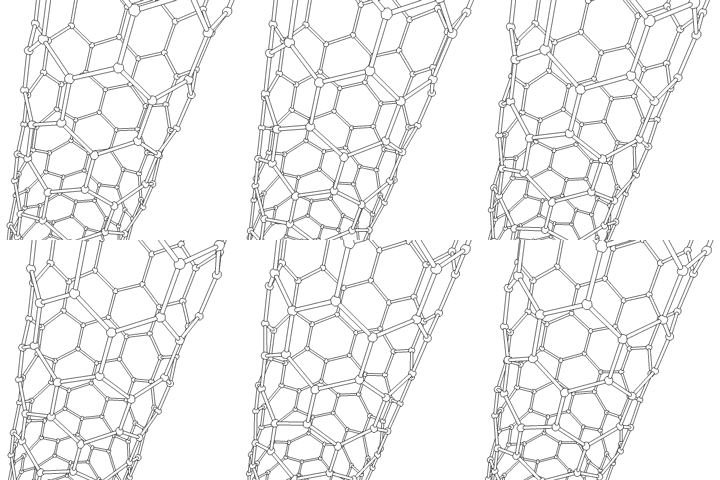
Bigger wind turbines can harvest more wind energy, but they're also heavier, which makes them less efficient. But a scientist at Case Western Reserve University figures he can solve this fundamental dilemma by throwing carbon nanotubes at it.
If you've heard of carbon nanotubes, it's probably in the context of super-awesome bicycle frames or high-performance tennis rackets and golf balls. Adding carbon nanotubes to the usual mix of plastics could give turbine blades the same boost.
The results suggest that future turbine blades could be lighter, bigger, and harvest more energy.
In a comparison of reinforcing materials, the researchers found carbon nanotubes are lighter per unit of volume than carbon fiber and aluminum and had more than 5 times the tensile strength of carbon fiber and more than 60 times that of aluminum.
They could also last longer.
Fatigue testing showed the reinforced [with carbon nanotubes] polyurethane composite lasts about eight times longer than epoxy reinforced with fiberglass. The new material was also about eight times tougher in delamination fracture tests.
The performance in each test was even better when compared to vinyl ester reinforced with fiberglass, another material used to make blades.
The new composite also has shown fracture growth rates at a fraction of the rates found for traditional epoxy and vinyl ester composites.
A message from
Your support keeps our climate news free.
Grist is the only award-winning newsroom focused on exploring equitable solutions to climate change. It’s vital reporting made entirely possible by loyal readers like you.
At Grist, we don’t believe in paywalls. Instead, we rely on our readers to pitch in what they can so that we can continue bringing you our solution-based climate news. Donate today to keep our site free.