Latest Articles
-
Me, in the movie 'Carbon Nation'
For those of you who missed my big screen debut last night in Millennium Park, it's safe to say you missed the opportunity of a lifetime.
-
![]()
![]()
Breaking: The Onion is funny
What's the only thing worse than an oil spill? A non-spill. "Millions Of Barrels Of Oil Safely Reach Port In Major Environmental Catastrophe," The Onion reports.
-
![]()
![]()
Why are American coal plants still so dirty?
Yesterday I published a brief overview of the U.S. power sector. Aging coal plants are responsible for the vast bulk of the its pollution -- greenhouse gases, SOX and NOX, particulates (smog), mercury, combustion ash, you name it. The power sector's pollution problem is largely the problem of old coal plants. What's the deal with that? Why are those plants still so filthy?
-
![]()
![]()
Co-op capitalizes renewable energy businesses
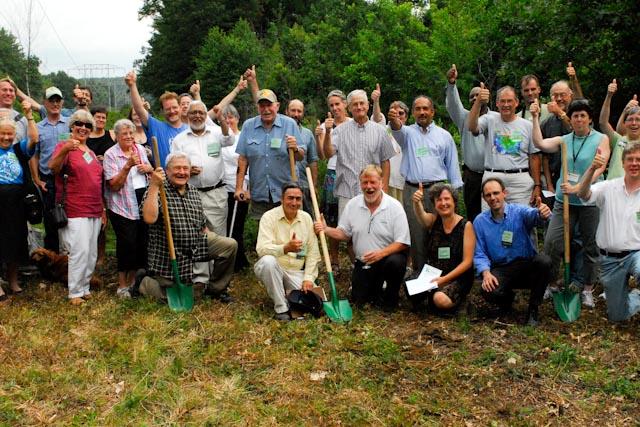
Co-op Power, a renewable energy cooperative, broke ground on its newest green business, Northeast Biodiesel, last week.
-
![]()
![]()
Nouvelle food trucks make fast food with slow values
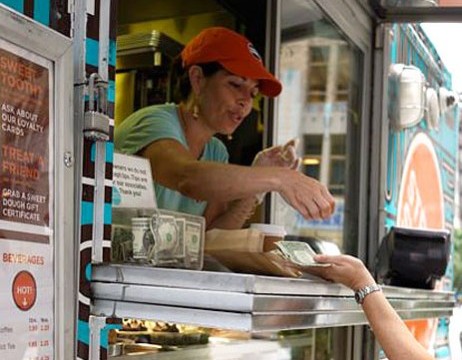
Can local, sustainably grown, organic ingredients make street food actually good for us -- and the planet?
-
![]()
![]()
Greenland on the rocks, renewable energy gets stiffed again
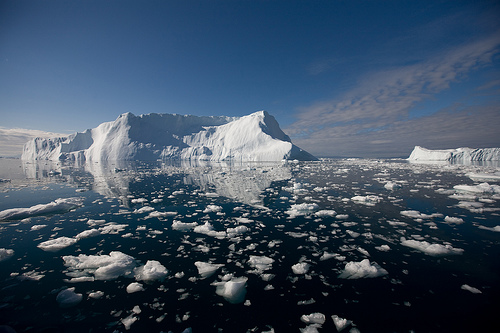
The melting of Greenland could send cities like New Orleans under the sea. The $26 billion teacher-saving bill is bad news clean energy.
-
2010's extreme heat: A window on our future
According to a new National Wildlife Federation report, the sweltering summer of 2010 could be considered mild compared to the typical summers of the future.
-
![]()
![]()
From Big Energy to Congress, the money pipeline never closes
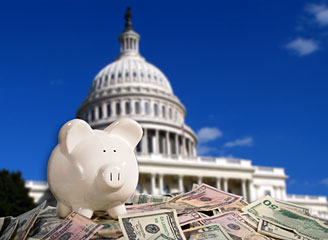
A new website lets us follow the prodigious flow of cash from oil companies to the politicians who do their bidding.
-
![]()
![]()
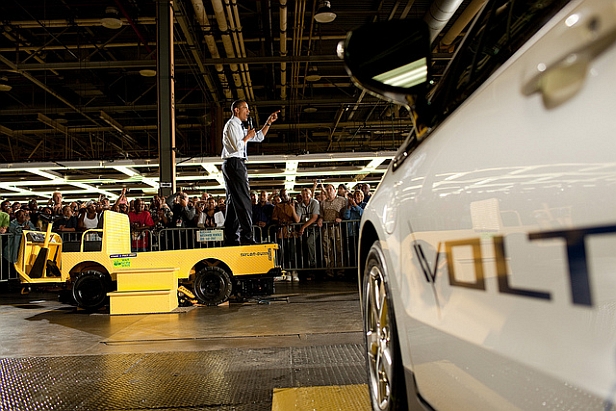
Barack Obama, cleantech venture capitalist?
Mike Dorning of Bloomberg Businessweek has a clever way of looking at the nation's most powerful cleantech investor.
-
![]()
![]()
How much do you spend on transport? New web app aims to show you
The cost of a home is easy to keep in mind. The cost of getting to and from it is not. A new web tool aims to shed light on transportation costs and nudge Americans away from sprawl.