As tech companies have built hundreds of hyperscale data centers to power the artificial intelligence boom, they have triggered conflicting predictions over how these facilities will affect the nation’s power grid. Critics have argued that data centers will raise power bills and increase carbon emissions. Supporters claimed they could increase investment in infrastructure and clean energy, leading to lower prices and emissions.
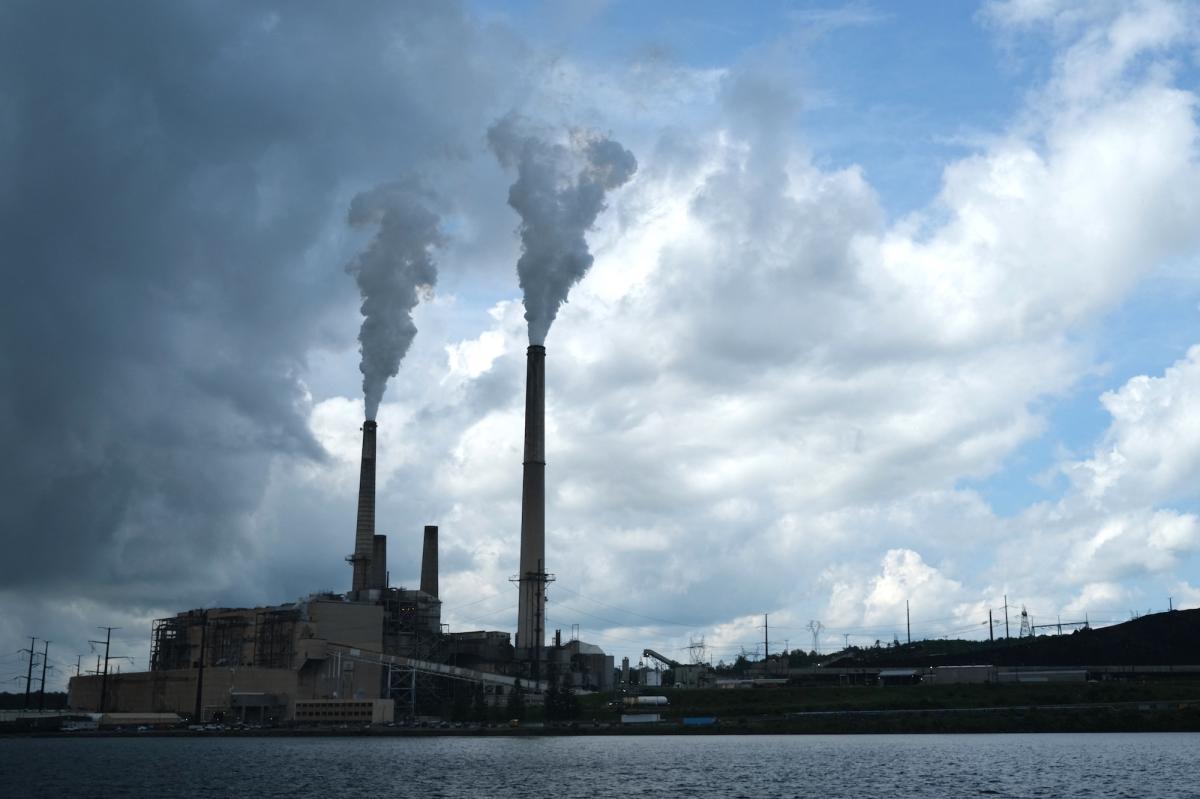
We now have a clearer picture about at least one consequence of the data center boom, and it isn’t encouraging. A report released last week from the Energy Information Administration found that carbon emissions from the U.S. power sector rose by 4 percent last year — larger than the increase in the economy overall, where emissions only ticked up 2 percent. The agency attributes this rise to a 13 percent increase in coal power generation, partially driven by the proliferation of large-scale data centers.
The national increase in power sector emissions represents the reversal of a longstanding trend. Before the AI boom, U.S. power consumption had been flat for decades. Utilities, grid operators, and energy planners had assumed that pattern would continue, and many planned to retire their older and dirtier coal plants with the expectation that natural gas and renewables could replace them. Instead, electricity demand is rising much faster than anticipated. Data centers could make up more than 10 percent of U.S. electricity usage by 2030, and they operate around the clock, including when wind and solar farm output is low. That demand has extended the life of some aging coal plants.
“Commercial load is starting to grow, and that’s part of the data center story,” said Steve Piper, the director of energy research at S&P Global Energy, a market intelligence firm. “It’s kind of a rising tide lifts all boats phenomenon. While we think structurally coal will decline over time, [the AI boom] is going to slow down that decline.”
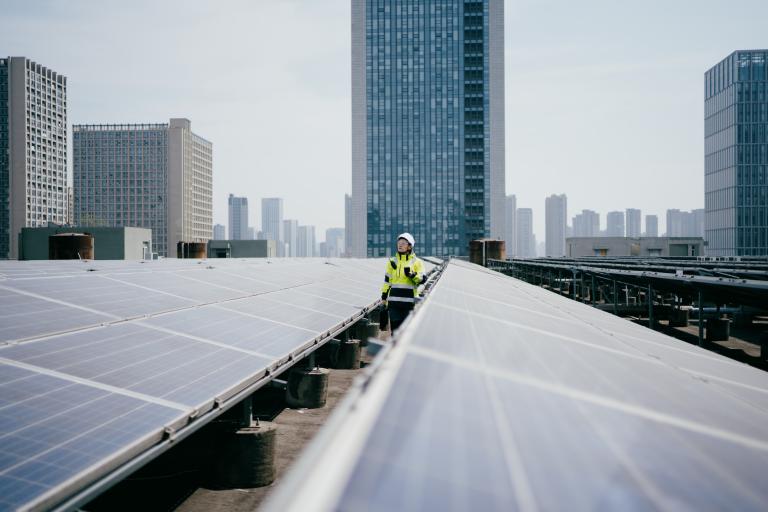
The increase in power sector emissions would have been even bigger were it not for the fact that solar and wind energy also surged last year. Utilities can now tap cheap, carbon-free energy during much of the day, which means they are less reliant on fossil fuel-burning plants that make up the backbone of the energy system. Solar now produces more power than coal during sunny months when demand is low. The climate problem is that while solar is still growing, coal is not shrinking.
The other driving factor behind last year’s increase was that coal became cheaper relative to natural gas, the country’s largest power source. As natural gas exports have increased, domestic gas prices have risen relative to coal.
The coal industry has also been buoyed by increased political support. President Donald Trump and Energy Secretary Chris Wright have vowed to revive the nation’s moribund coal industry by supporting new coal power plants and helping build an export terminal that can ship coal to Asia. Wright has issued temporary emergency orders to prevent the retirement of at least half a dozen coal plants around the country, forcing utilities to run plants they had previously sought to shut down. His department has argued that these orders are justified because hot and cold weather are straining the power grid.
But these orders aren’t actually the reason that coal emissions have rebounded. The plants that Wright has kept open are running at a lower capacity than they did before Trump took office, in large part because there are still cheaper sources of power than coal out there.
Take for example the J.H. Campbell coal plant in Michigan, owned by Consumers Energy. It was the first major coal facility that Wright prevented from closing. At the time, Wright said that the plant’s operation was necessary so that Michigan “[did] not lose critical power generation capability as summer begins.” Yet in each of the last three quarters, the plant has generated less electricity than it did in the equivalent quarter the previous year.
Instead, the increase is happening across the country. Outside of the Western U.S., nearly every state generated more coal power in 2025 than it did in 2024. One of the biggest jumps came in Virginia, home to the world’s largest AI cluster, where utilities almost doubled their coal power generation to serve the state’s growing clusters of data centers. Nearby coal states like Pennsylvania and West Virginia also stepped up their generation to match data center demand.
The report is especially concerning since decarbonizing the electricity sector, which accounts for about 25 percent of U.S. emissions, is an essential step toward meeting national climate targets. Unlike in the transportation sector, where electric vehicles still face significant cost and infrastructure barriers, and heavy industry, in which natural gas is still needed to make steel and cement at scale, the power sector has real cost-effective alternatives to fossil fuels.
Once electricity became cleaner, switching cars, home heating, and other sectors from fossil fuels to electricity would sharply reduce emissions.
And there were signs of progress: Emissions from the power grid have fallen by about one-third from their peak around 2005 as utilities have replaced old coal plants with less carbon-intensive methods such as natural gas turbines, which emit about half as much carbon per watt of electricity. The rapid build-out of solar and wind power was supposed to reduce power emissions even further.
The stubborn presence of coal is a problem for that progress.
“Coal generation may sort of have a floor in our forecasts,” said Piper. He said he expects that in the long run, coal will continue to decline, but that “it will take something else” to dislodge it from the power grid altogether. And until we have a grid with enough round-the-clock power to render the dirtiest fuels unnecessary, the nation’s journey away from fossil fuels will be stuck at the starting gate.