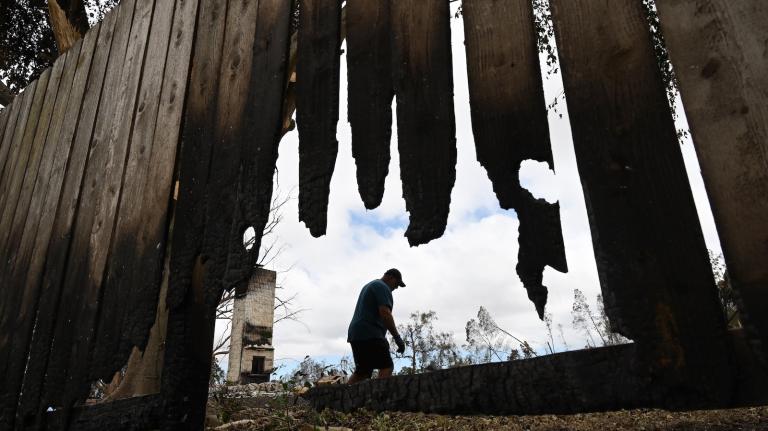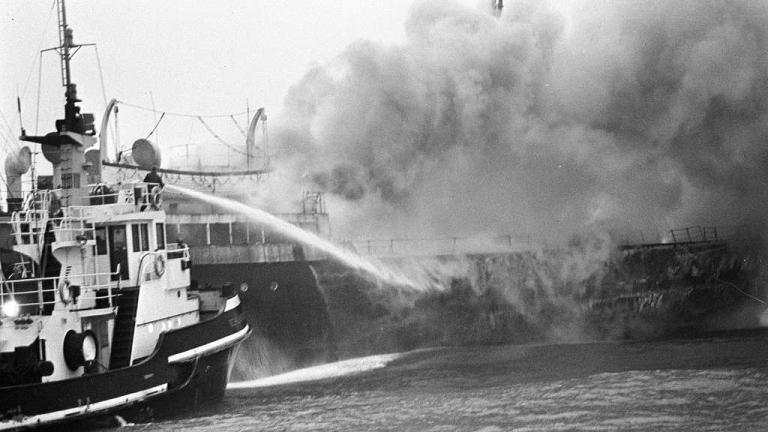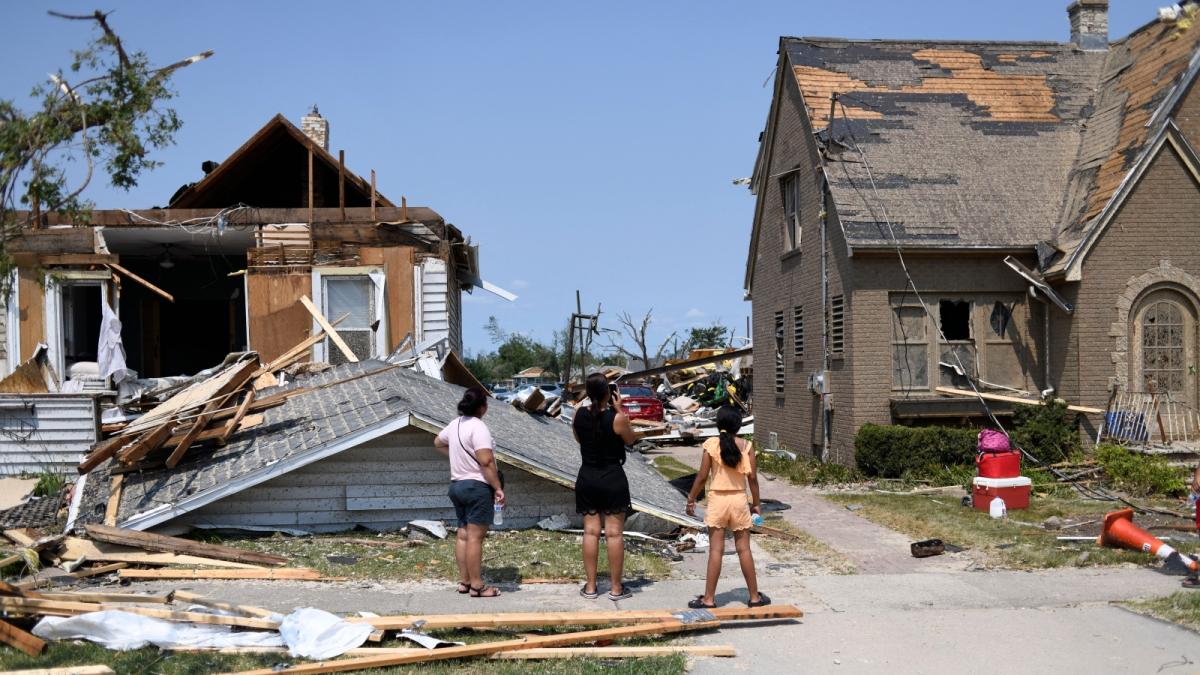
We tend to imagine that experiencing the effects of global warming will wake people up to the problem. The thinking goes that when people see their homes flood or the skies turn orange from wildfire smoke, they may change their views on climate science and even be inspired to act. A number of studies have found such a correlation in the United States and Europe, and our popular narratives confirm it. For instance, Kim Stanley Robinson’s speculative climate novel Ministry for the Future begins with the world embracing climate action after a deadly heat wave in India.
New research complicates that picture. A nationwide survey from the polling firm Gallup and the Walton Family Foundation has found that almost 4 in 10 Americans say they have experienced damage from extreme weather in recent years. It also found that those who say they have experienced extreme weather are more likely to feel that they are at the mercy of forces outside their control.
The gap is significant. The Gallup poll found that 38 percent of people who say they’ve experienced extreme weather also say they “mostly feel pushed by circumstances beyond [their] control,” a full 9 percentage points more than the share among people who said they haven’t experienced a disaster. There was a corresponding drop in the disaster-affected group among people who said they “mostly feel able to shape [their own path], even when things are difficult.”
In an interesting twist, this doesn’t seem to have affected their answers to other questions about opportunity and economic mobility. For instance, people who experienced extreme weather were no more likely than those who didn’t to say that they wanted to move somewhere else.
“If I can’t control my life and it’s partly due to this extreme weather experience, then you would think I would want to move,” said Megan Brenan, a senior editor and survey designer at Gallup. “It really comes down more to their community ties.” They were also no more or less likely to say that their community was prepared for future challenges. They even answered the same when asked about whether the future was bright. The only difference was in whether they felt they could control the trajectory of their lives.
The Gallup poll also found an uptick in the percentage of respondents who said they’d experienced extreme weather damage. That figure was 38 percent this year — a record high for Gallup — and up 5 percent from 2023. The firm broke its findings out into census regions this year, and it found a huge gap in where people thought they’d suffered from extreme weather. In the region encompassing Kentucky, Tennessee, Alabama, and Mississippi, a full 58 percent of people said they’d encountered extreme weather damage, making it the only region where a majority said that. By contrast, only 24 percent of people in the Mountain West said they had.
These results tell us something about what people consider to be “extreme weather,” but they don’t tell us much about where those extreme events occurred. After all, 100 percent of residents in the Mountain West have experienced drought conditions over the past year, and almost everyone in the Northeast has suffered beneath extreme heat. But since these disasters don’t cause the same physical damage to homes and power lines that storms and floods tend to do, people may not think of them as “damaging.”
The Gallup study relies on respondents’ self-reported perceptions. It doesn’t ask when they experienced extreme weather, and the truth is that we don’t know much about how such events change people’s beliefs in the long run, said Megan Mullin, a professor of public policy at the University of California, Los Angeles, who has studied public attitudes about climate change and extreme weather.
“It’s really hard to unravel what it means over the longer term,” she said, “and part of that is methodological, and it’s partly that the actual impact … can vary house to house.”
Few studies have followed disaster victims over an extended period of time, and there is a great deal of conflicting research about the influence of extreme weather on people’s worldviews. Mullin’s own research has found that concern about global warming seemed to decline during long periods of pleasant weather, but past studies have found almost little to no relationship between extreme events and concern about climate change. Political party affiliation and other factors like one’s emotional disposition are far more likely to sway one’s views on the climate crisis.
What we do know about how disasters change people is not encouraging. Some studies have found that disaster experience can lead to increased support for adaptation measures and government intervention in areas that have been hit hard. But researchers in the United States and Mexico have also found that people who experience major disasters tend to lose their faith in the government. This is also true when their friends and family suffer disasters.
“These events further degrade an already fragile trust in government at the same time that people are looking for [the] government to have a strong hand in protecting them,” said Mullin.
There are some high-profile counterexamples to the trend identified in the Gallup survey. After the Marshall Fire in Colorado, for instance, a group of residents formed a volunteer activist group and got several bills passed that would aid the state’s recovery from future fires. It’s also possible that confounding variables could influence how people respond. For instance, an anxious person may be more likely to say they’d experienced extreme weather and also more likely to say they lack a sense of agency.
Even so, the new study darkens our picture of the psychological and political consequences of climate disasters. When set against the background of prior findings about trust in government, the new research suggests that people who have suffered through floods and storms feel less influence over the future of their communities. They don’t abandon their communities en masse, but they also don’t feel like they can save them.
The gradual warming of the planet means that the share of people who experience some form of extreme weather is going to increase. If you’re expecting that to push people into the political arena, don’t hold your breath.
Editor’s note: The Walton Family Foundation is a supporter of Grist. Funders have no role in Grist’s editorial decisions.