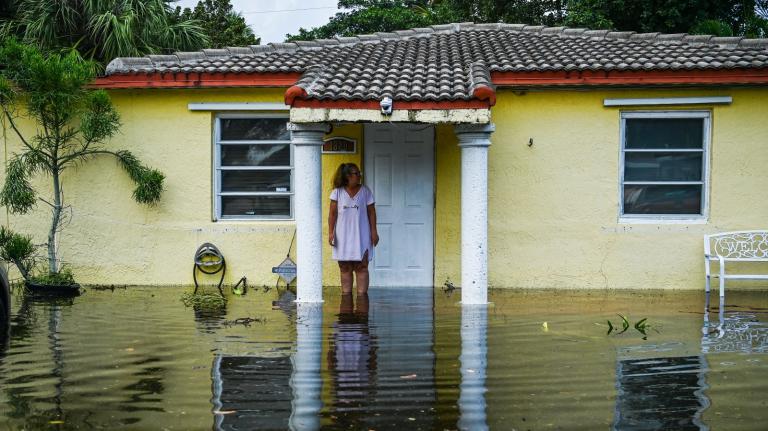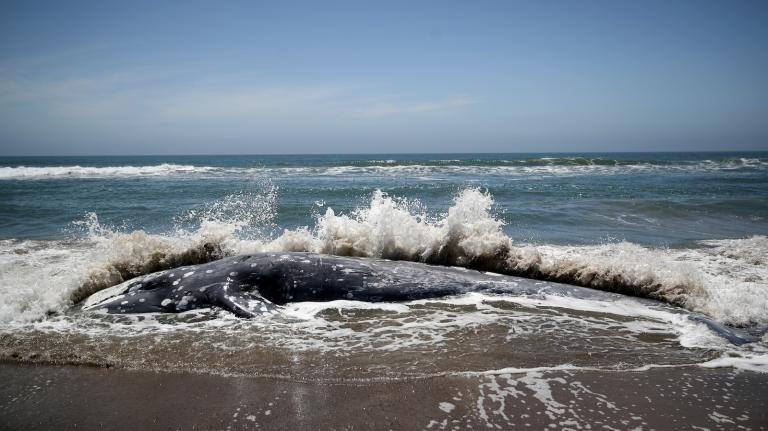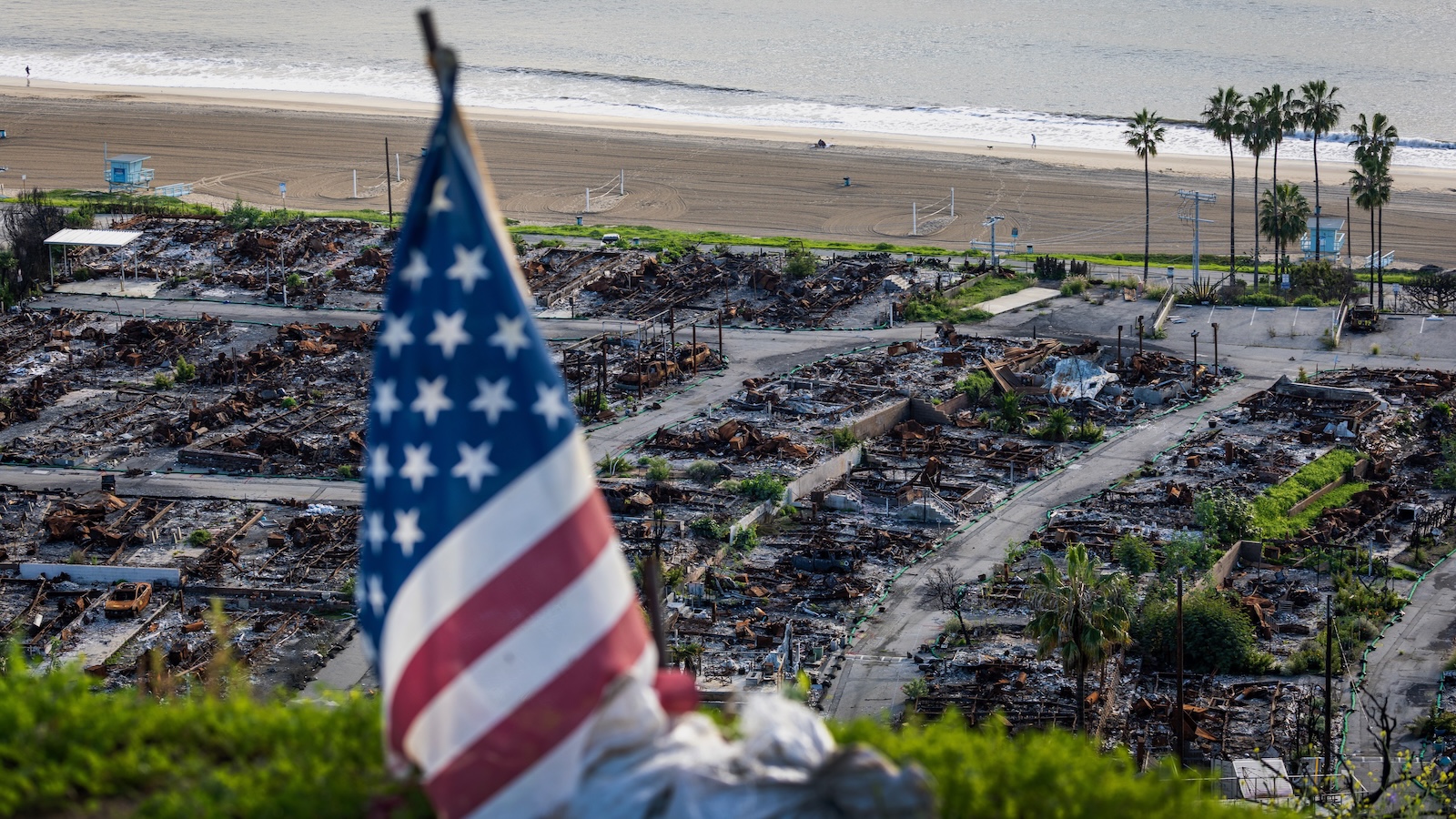
Last year began with the costliest wildfires in American history, as a series of blazes tore across Los Angeles for nearly all of January. A parade of other catastrophes followed: severe storms across the southern and northeastern United States, tornadoes in the central states, drought and heat waves through the western expanse of the country.
All told, the U.S. notched 23 billion-dollar weather and climate disasters in 2025, which claimed 276 lives and caused $115 billion in damages, according to a new analysis from the research group Climate Central. Only 2023 and 2024 recorded more of these events, and 2025 was the 15th consecutive year with an above-average number. (Since 1980, the annual average has been nine events costing $67.6 billion. In that time, the country tallied 426 total billion-dollar disasters, costing more than $3.1 trillion.) Last year was the ninth most expensive on record for billion-dollar disasters.
The clear signal here is climate change: It’s worsening wildfires, causing heavier rainfall and flooding, and supercharging hurricanes. In the 1980s, billion-dollar disasters happened on average every 82 days, according to the analysis, but over the last decade that window has tightened to just 16 days. In 2025, Americans endured one of these events every 10 days on average — an almost nonstop cavalcade of suffering.
Last May, the Trump administration announced that the National Oceanic and Atmospheric Administration would no longer update the federal government’s own billion-dollar disaster database, to the alarm of experts who call it an essential tool for determining risk and adapting to climate change.
In October, Climate Central revived that database, hence its release of these figures for 2025. “The continuation of this dataset, like other datasets, is important because it helps demonstrate the economic impact of extreme weather and climate events,” said Adam Smith, senior climate impacts scientist with the organization, who’s leading the program and was formerly the lead scientist for NOAA’s version. That, in turn, can give policymakers and the general public more information for “a more enhanced decision-making process, as we try to learn from these events and rebuild after these extremes that we know will continue into the future.”
At $61.2 billion in damages, the Los Angeles fires accounted for more than half of the losses from the 23 total events in 2025, according to the analysis. That outbreak brought a public health crisis that’s harder to calculate: Hundreds of people likely died from inhaling smoke, even if they were many miles away from the flames. Wildfire smoke already exacerbates conditions like heart disease and cardiovascular disease, but this smoke was especially toxic because the fires were chewing through houses and cars, melting plastic and metal.
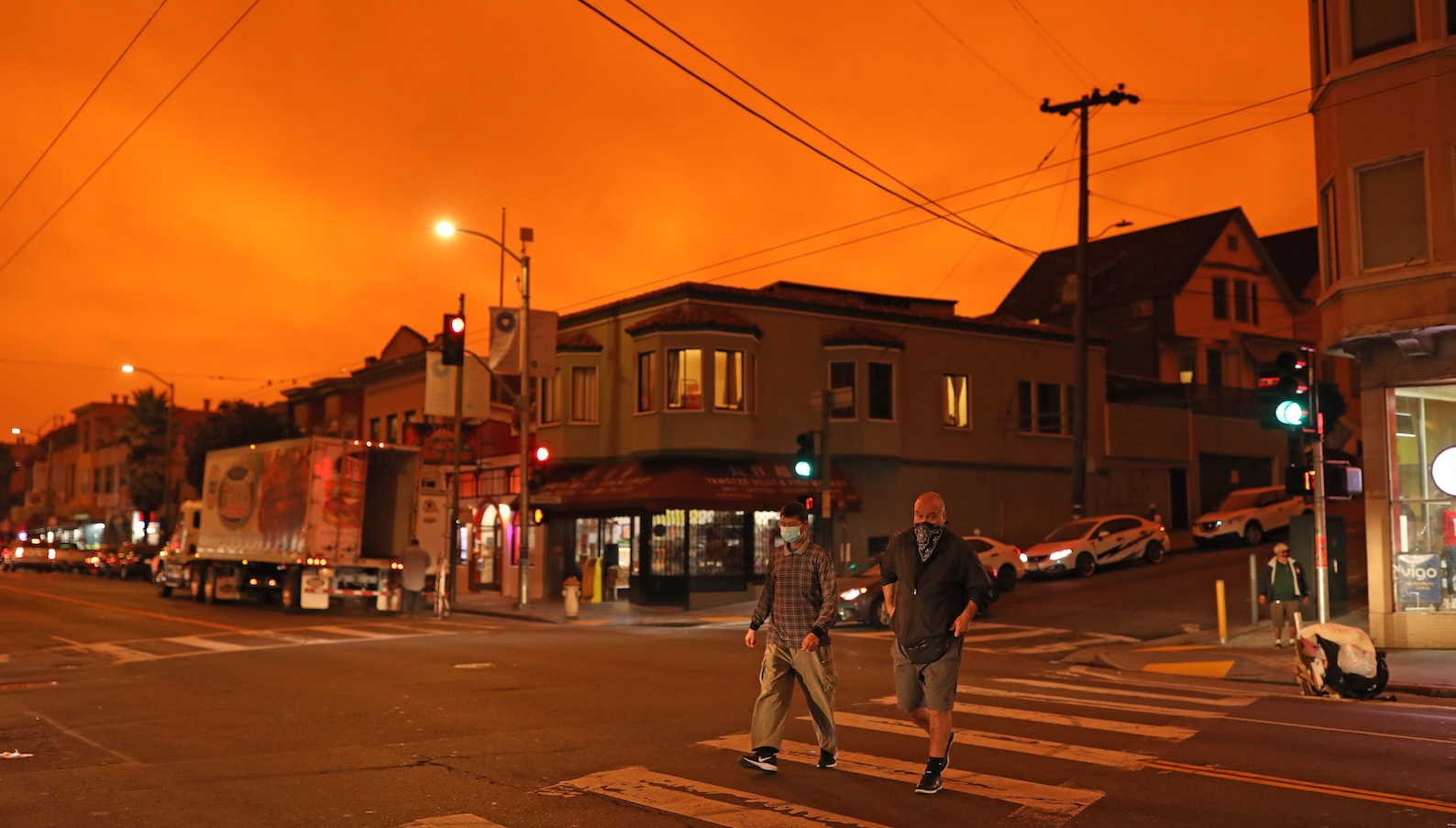
For the folks who survived inhaling the smoke but nonetheless experienced complications, medical costs add yet more to that $61.2 billion that Climate Central reported. Add still more when you factor in the trauma of surviving such a disaster, and the associated mental health costs. “Even though we have a very robust, comprehensive estimate based on the data that’s available, it’s still conservative with respect to what is truly lost, but cannot be completely measured,” Smith said.
Elsewhere across the U.S., communities struggled with unruly weather: hail events in Texas and Colorado, and severe storms all across the South and Northeast. (Of the 23 events, 21 were related to tornadoes, hail, or high wind events. When considering only severe storms, 2025 was the second most costly year for billion-dollar disasters, after 2023.) Generally speaking, the warmer the atmosphere, the more moisture it can hold and then dump as rain. In addition, the Gulf of Mexico was extra hot in 2025, which added still more moisture to storms that marched across Southern states. (Scientists are still working out how climate change might be influencing tornadoes, like the six separate billion-dollar outbreaks that struck the U.S. in 2025.)
In addition to climate change making weather and wildfires more catastrophic, human factors are adding to the growing costs of billion-dollar disasters. In the West, for example, communities have been expanding into the “wildland-urban interface,” where structures butt up against forests. So there’s more to burn, while at the same time climate change is amplifying the blazes. “You’re supercharging some of the ingredients that when they’re aligned in a certain way — with the dryness of the fuels and the near hurricane-force winds, and then, of course, some ignition source — it’s literally impossible to stop,” Smith said.
But if climate change is worsening disasters, why didn’t 2025 see more billion-dollar events than the two years before it? And why was it the ninth most expensive, not the first? That’s largely because for the first time in a decade, no hurricane made landfall in the U.S. last year, thanks to an atmospheric quirk above the Southeastern states that created a sort of force field that bounced storms back out to sea. That was fortunate — both for human lives and economic losses — because hurricanes tend to be the costliest of weather and climate extremes. “If you talk about major hurricanes making landfall, you can easily approach or exceed $100 billion,” Smith said. “The $115 billion could have been $215 billion.”
Although the U.S. got lucky, the hurricane season was still extreme. Only five Atlantic hurricanes spun up, but four of them — or 80 percent — reached major strength, while in a typical year it’s 40 percent. In addition, 2025 was the second year to have produced three or more Category 5 storms, at least in recorded history.
That’s where climate change comes in: It’s boosting hurricanes by warming up the ocean waters the storms use for fuel. And indeed in 2025 those temperatures reached record highs: Hurricane Melissa, which ravaged the Caribbean, fed on waters made hundreds of times more likely by climate change, which increased wind speeds by 11 mph and extreme rainfall by 16 percent. All that oceanic fuel helped the storm undergo “extreme rapid intensification,” its maximum sustained wind speeds jumping from 70 mph to 140 mph in 18 hours.
So just because no hurricanes made landfall in the U.S. last year doesn’t mean that the storms won’t get more powerful from here. To prepare, Smith said that Climate Central will be improving the billion-dollar disaster database, for example reexamining historic data to dig more deeply into individual events like wildfires. “By this time next year,” Smith said, “if we’re having a conversation, I think that it’ll be even a much more useful and helpful data resource.”