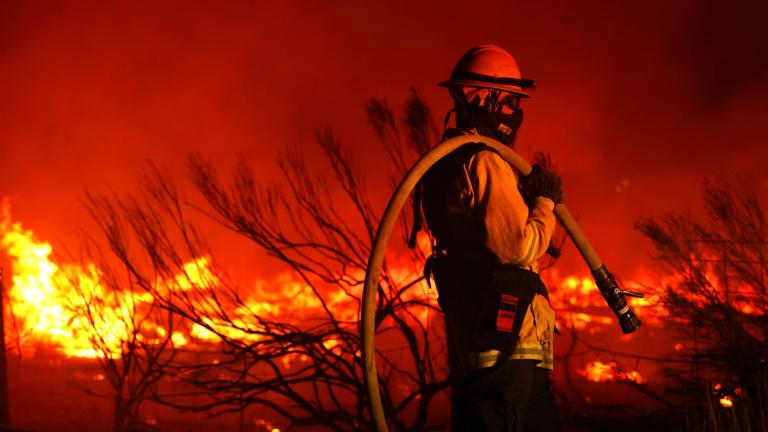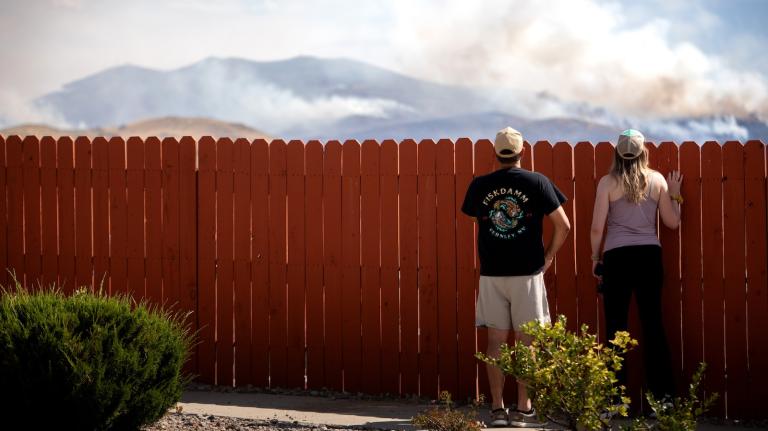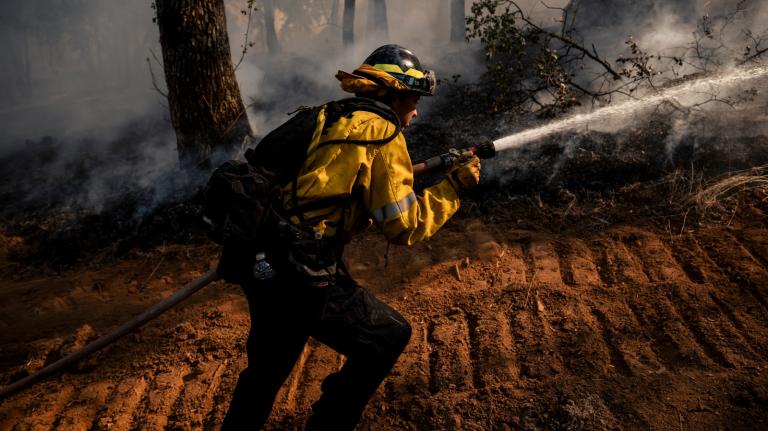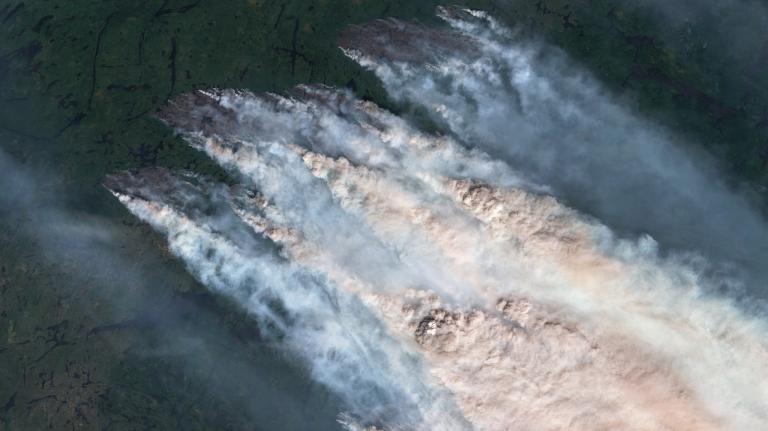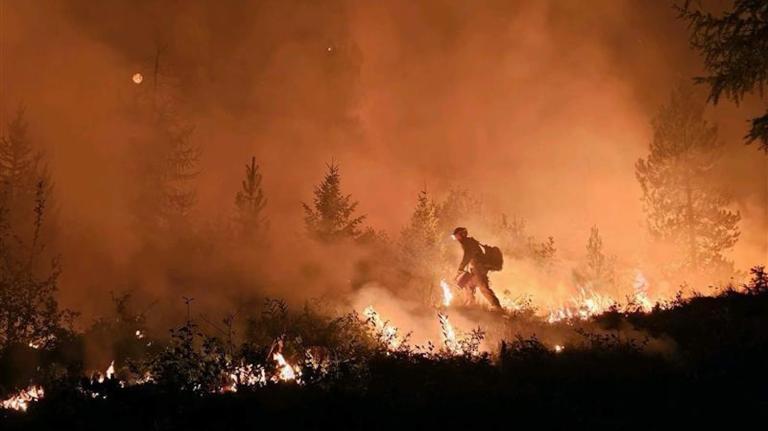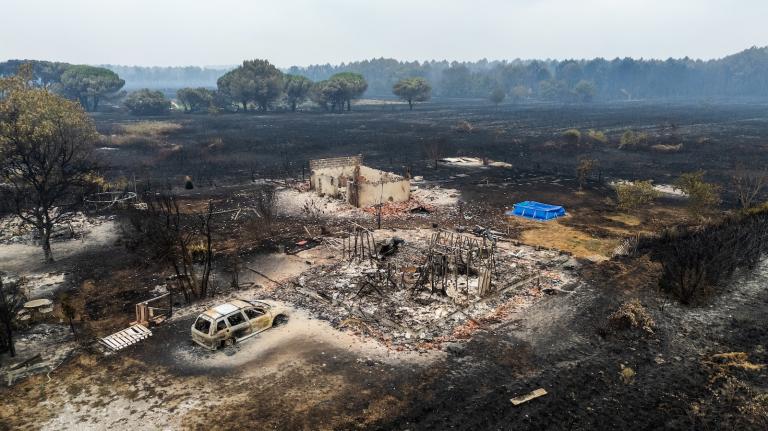
In August of 2023, a series of wildfires broke out across Maui, killing more than 100 people, destroying thousands of homes, and causing billions in damage. Noelani Ahia, who is Kanaka Maoli and co-founder of Maui Medic Healers Hui, helped mobilize nearly 600 volunteers in Lāhainā, including doctors, nurses, and therapists.
Three years later, the housing and health crises remain acute. Maui Medic Healers Hui runs a free clinic, but Ahia wishes it had 10 more to address the community’s needs. “The fire may be out, but the catastrophe is not over by any stretch of the imagination,” she said.
The devastation extended well beyond the lives lost and buildings destroyed. Research published last year by researchers with the University of Hawaiʻi at Mānoa’s Maui Wildfire Exposure Study, or MauiWES, found that more than 1 in 5 residents had reduced lung function.
Now, new research from the same project has found elevated levels of toxic metals i... Read more