Climate Food and Agriculture
All Stories
-
![]()
![]()
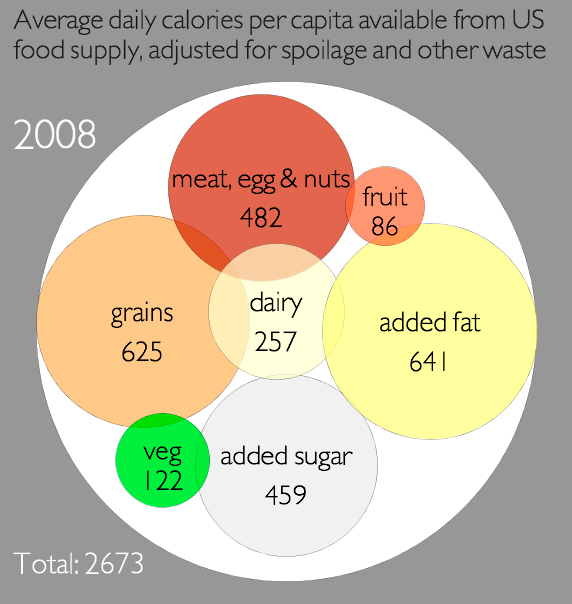
The American diet in one chart, with lots of fats and sugars
This is a non-interactive version of the chart. Also check out the interactive version, by Civil Eats and the UC-Berkeley Graduate School of Journalism News21 course.Over on Civil Eats, Andrea Jezovit has put together a terrific interactive chart on the U.S. diet. Using USDA data for “average daily calories available per capita, adjusted for spoilage […]
-
![]()
![]()
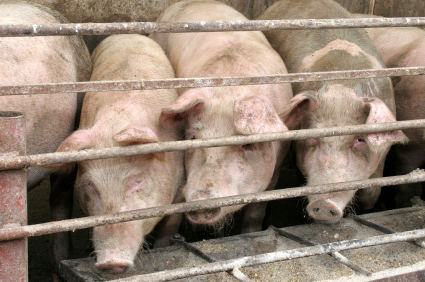
Will the U.S. hog industry ever kick its reliance on low-dose antibiotics?
The editors of Scientific American recently encouraged U.S. hog farmers to “follow Denmark and stop giving farm animals low-dose antibiotics.” Sixteen years ago, in order to reduce the threat of increased development of antibiotic resistant bacteria in their food system and the environment, Denmark phased in an antibiotic growth promotant ban in food animal production. […]
-
The Onion’s remarkably smart take on locavores
The locavore movement—in which people eat food produced near their home to reduce their carbon footprint—is getting more and more popular. Here are some ways you can do more to eat locally: Take time to eat more. You'll end up eating more local foods just from increased odds For those of you living in the […]
-
![]()
![]()
Budget fight threatens to turn Farm Bill into Industrial Ag Bill
Will eco-friendly and people-friendly farm programs get steamrolled?Will the next Farm Bill, scheduled for passage in 2012, put public policy in service of a food system that works for farmers, eaters, and the environment? Well, optimism over federal food-policy reform never runs very high in sustainable-ag circles. The agrichemical lobby is flush with cash and […]
-
![]()
![]()
Mimicking Big Tobacco, Big Soda blows smoke in Philadelphia
Big Soda can blow smoke with the best of ’em.Coke image: Andrew AtkinsonFor years now, numerous commentators (myself included) have made comparisons of the food industry with Big Tobacco. The most recent example should become the poster child for how the most egregious tactics of tobacco companies are alive and well. Last month came the […]
-
![]()
![]()
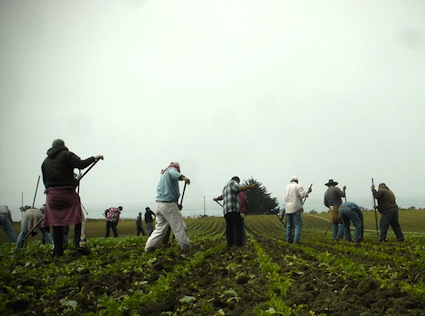
Startling new report shines light on farm labor conditions — and they ain’t good
Like a factory in the field, except for the wage protections, benefits, and union. Photo: Vera ChangMost corporations involved in the food business quietly benefit from the invisibility of U.S. farmworkers. Bon Appetit Management Co., a U.S. subsidiary of the U.K.-based, transnational catering giant Compass Group, has done something odd: It has partnered with the […]
-
![]()
![]()
Anti-EPA House votes to let agribusiness dump pesticides in our water
Cross-posted from Wonk Room. The Tea Party Congress doesn’t just hate EPA rules that protect against industry destroying our country with greenhouse-gas pollution, mercury, coal ash, and mountaintop removal. By a veto-proof margin, the U.S. House of Representatives voted yesterday to prohibit Clean Water Act limits on pesticide pollution of lakes, streams, and rivers. Lobbyists […]
-
![]()
![]()
Medium is beautiful: why we need more mid-sized farms
Let’s fill meat counters with ethical, sustainable cuts.Photo: Anthony AlbrightRecently, I have made the argument in a couple of different articles (here and here) that in order to make local-regional meat broadly affordable and accessible, we should make a shift from the direct markets (farmers markets, CSAs, on-farm sales) to the existing indirect, arms length […]
-
![]()
![]()
Farmers in U.S. running out of land
Despite planting record amounts of corn and soybeans this year, U.S. farmers are sitting on unexpectedly small stockpiles of both crops. Meanwhile, the demand for corn is crowding out use of land for other crops, including cotton. The USDA reports underscored that U.S. farmers are reaching the limits of arable land in the world's biggest […]
-
![]()
![]()
When locally sourced food isn’t available, the tough grow it anyway
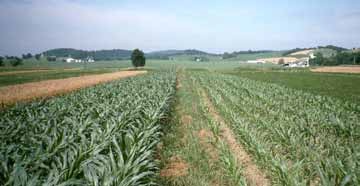
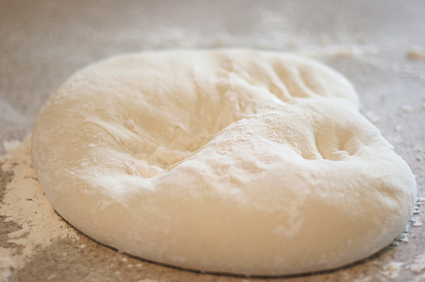
Ruben and Kristin Hernandez are bakers in Baltimore, Maryland, who wanted to use locally-sourced wheat in their bread. Only problem is, no one grows the required “hard” wheat in Maryland, because the relatively humid climate leads to disease. (Hard wheats are rich in gluten, the protein that gives bread its elasticity and structure.) Ruben briefly […]