Climate Food and Agriculture
All Stories
-
![]()
![]()
What Gourmet’s critics missed
Hard times aren’t always the worst times for magazines. In 1941, with the economy still depressed and the nation on the verge of war, a magazine called Gourmet hatched. In the years since, Gourmet sprouted into the nation’s most celebrated and influential glossy food magazine. But this week–in the wake of another Great Crash and […]
-
![]()
![]()
Can you taste the fuels in your food?
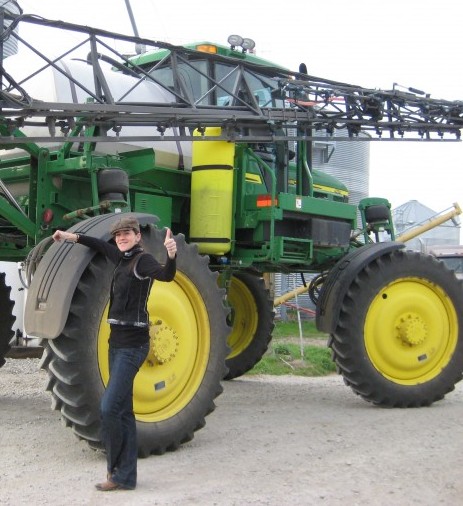
Amanda Little on the farm. If you pinned a map of the United States to a dartboard, Kansas would be the bull’s-eye. Smack dab in the center of the country, the Sunflower State is one of America’s most productive agricultural hotbeds — the fifth-biggest producer of crops and livestock in the country. More than 90 […]
-
![]()
![]()
Big Ag’s odd obsession with You-Know-Who
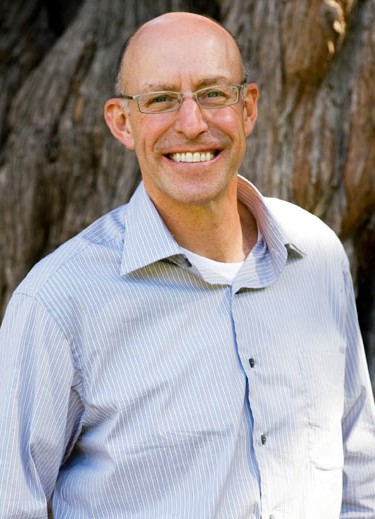
I really really really didn’t want to write another post on Michael Pollan. Don’t get me wrong — I’m a big fan. It’s just that reducing the whole of the food movement to Pollan’s work naturally ignores so much else that’s going on. But don’t blame me for this post. Blame Big Ag. These guys […]
-
![]()
![]()
Apples with a sense of place
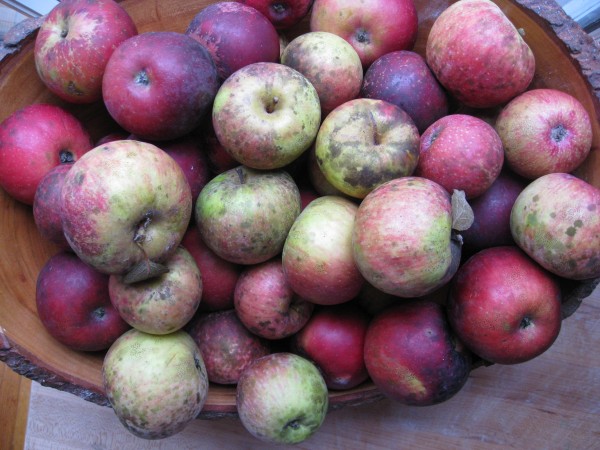
One lovely evening a couple of weeks ago, I watched the documentary Food Fight in an outdoor theater in my downtown. The documentary focuses on how the 1960s counterculture — specifically the Berkeley crew of which Alice Waters was a member — led to the current sustainable agriculture boom. The documentary champions the sensual pleasures […]
-
Minnesota food system study — building trust is good business
I just published a new study of the Minnesota food system. The main take-home message is that building trust is good for business. Close relationships with suppliers and customers are exactly what allow food firms to respond to changing conditions. The report, “Mapping the Minnesota Food Industry,” was commissioned by Blue Cross and Blue Shield […]
-
![]()
![]()
Pollan shoots down organic myths at Grist event
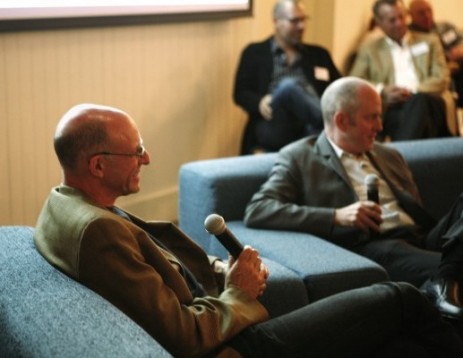
Michael Pollan (left) and Tom Philpott talk food.Celebrated food and ag author Michael Pollan debunked some myths about organic agriculture Tuesday night at a Grist event in San Francisco, in a conversation with Grist food writer Tom Philpott and the audience. In response to a question about whether we can really feed the world without […]
-
The chemical treadmill breaks down and the superweeds did it
Tom Philpott has been tracking the rise of so-called “superweeds” — i.e. herbicide-resistant weeds — for a while now. He’s talked about the chemical treadmill — “the situation wherein weeds and other pests develop resistance to poisons, demanding ever higher doses of old poisons and constant development of novel ones.” Due in part to its […]
-
![]()
![]()
Gulf dead zone fix falls flat
It’s good to see a big Midwest “land grant” agricultural program that’s concerned about the Gulf Dead Zone, and upper Midwest farms’ large contribution to it. But this release about a study underway at Iowa State University aiming to reduce nitrogen entering the Mississippi River from farm fields falls flat when you realize it’s just […]
-
![]()
![]()
Thoughts on irradiated food
In Checkout Line, Lou Bendrick cooks up answers to reader questions about how to green their food choices and other diet-related quandaries. Lettuce know what food worries keep you up at night. Dear Lou, Is food irradiation good enough that we could theoretically go back to having rare hamburgers, soft-boiled eggs and unpasteurized milk? I […]
-
![]()
![]()
Is privatization the answer to the school lunch mess?
Professional bloggers operate under pressure to produce a high volume of provocative posts. And there’s also the rule (often honored in the breach) that brevity is best–no one wants to slog through a tome on a computer screen. Thus we sometimes propound our opinions without taking time to tease out (or think through) nuances. Luckily, […]