President Donald Trump’s second term has been a nightmare for global cooperation on climate change. Trump has yanked the United States from the Paris climate agreement, attacked a global agreement on a carbon tax for cargo ships, and threatened countries with tariffs if they get too vocal about climate.
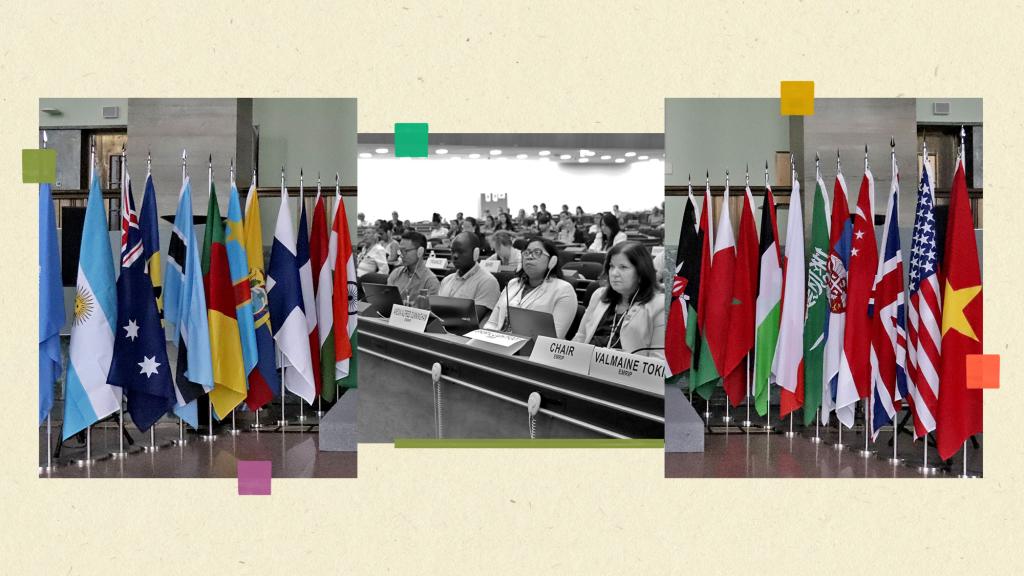
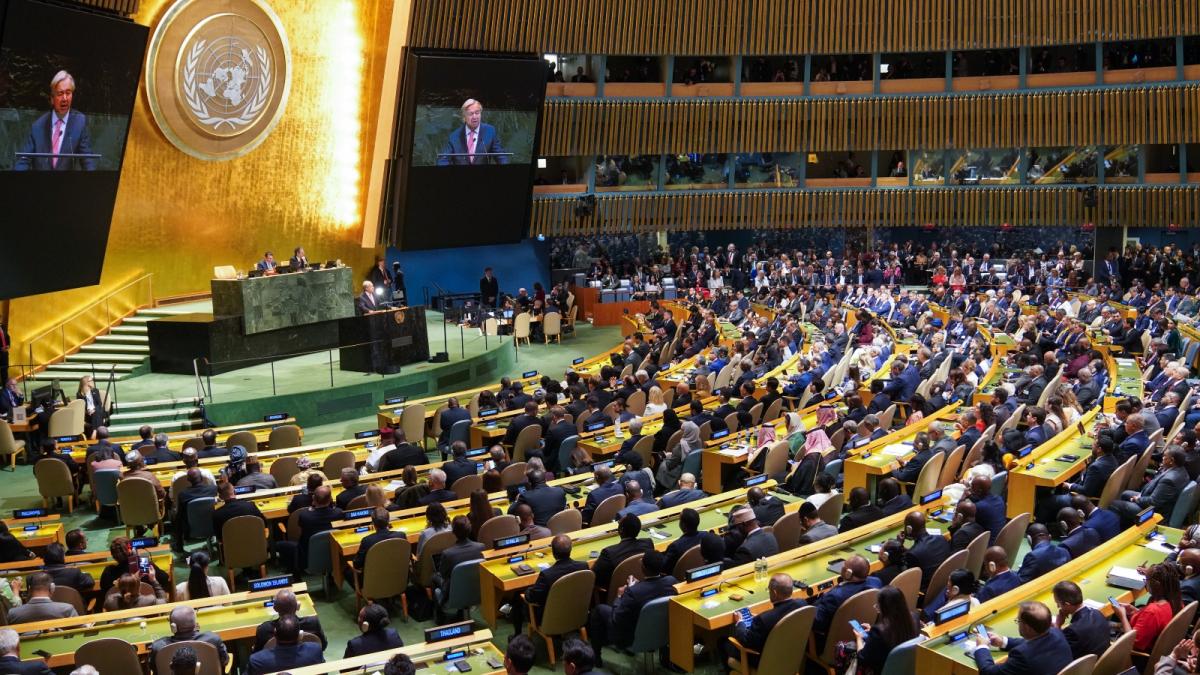
This week brought a notable exception. World leaders at the United Nations General Assembly on Thursday approved a unanimous resolution on how to handle sea level rise, and the United States did not block it from moving forward. The passage of the accord represents a rare win for multilateralism, made all the more notable by the fact that the agreement includes references to climate change and climate aid for developing countries.
The declaration could bring new momentum to efforts to help small island states, said Philip Davis, the prime minister of the Bahamas, in an interview with Grist.
“Our landmass is less than 3 meters above sea l... Read more