For National Women’s Health Week, we’re highlighting women’s health issues in the United States.
In our coverage of National Women’s Health Week, I feel we’d be remiss in not talking about sexual assault prevention.
For those who don’t consider sexual assault to be a women’s health issue, consider the following: Nearly 1 in 5 women report having experienced attempted or completed rape at some point in their lives. To say nothing of the physical effects of the assault itself — which can include injury, pregnancy, or STIs — sexual assault is strongly linked to depression, anxiety, and substance abuse. For those who don’t consider it to be an environmental issue, read this.
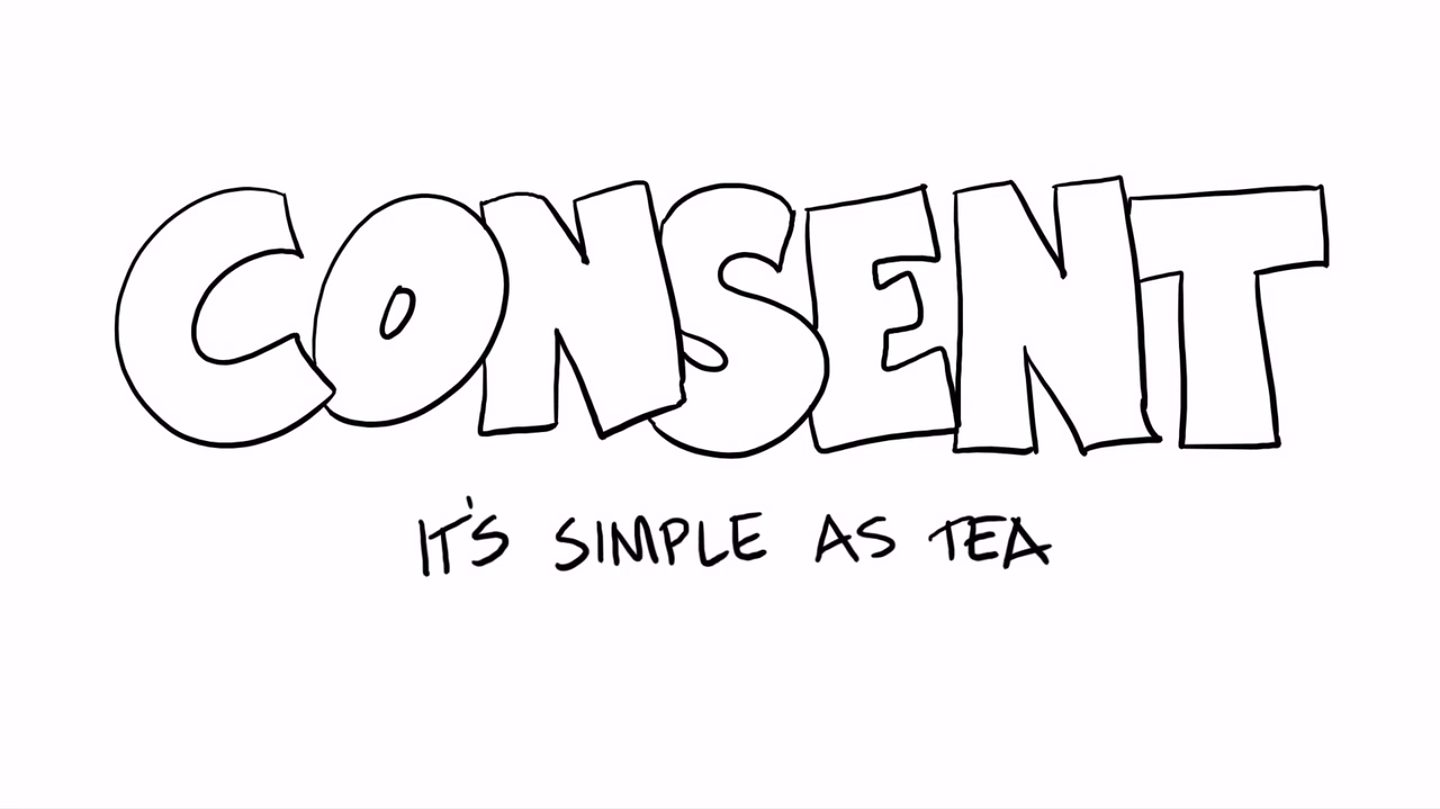
Now for an educational pick-me-up — the best kind! The video above is a surprisingly sweet and extremely straightforward guide to sexual consent, and should be shared with everyone you know who has sex. Even the people you don’t want to think about having sex — good evening, every single commuter on my bus!
A message from
Your support keeps our climate news free.
Grist is the only award-winning newsroom focused on exploring equitable solutions to climate change. It’s vital reporting made entirely possible by loyal readers like you.
At Grist, we don’t believe in paywalls. Instead, we rely on our readers to pitch in what they can so that we can continue bringing you our solution-based climate news. Donate today to keep our site free.