A gentle shower fell as four people in rain gear made their way deep into a spruce-fir forest high in Great Smoky Mountains National Park. Ducking beneath bright green underbrush and stepping away from the road, a hush took over.
Just a few steps in, they came across an aging yellow birch tree covered in moss.
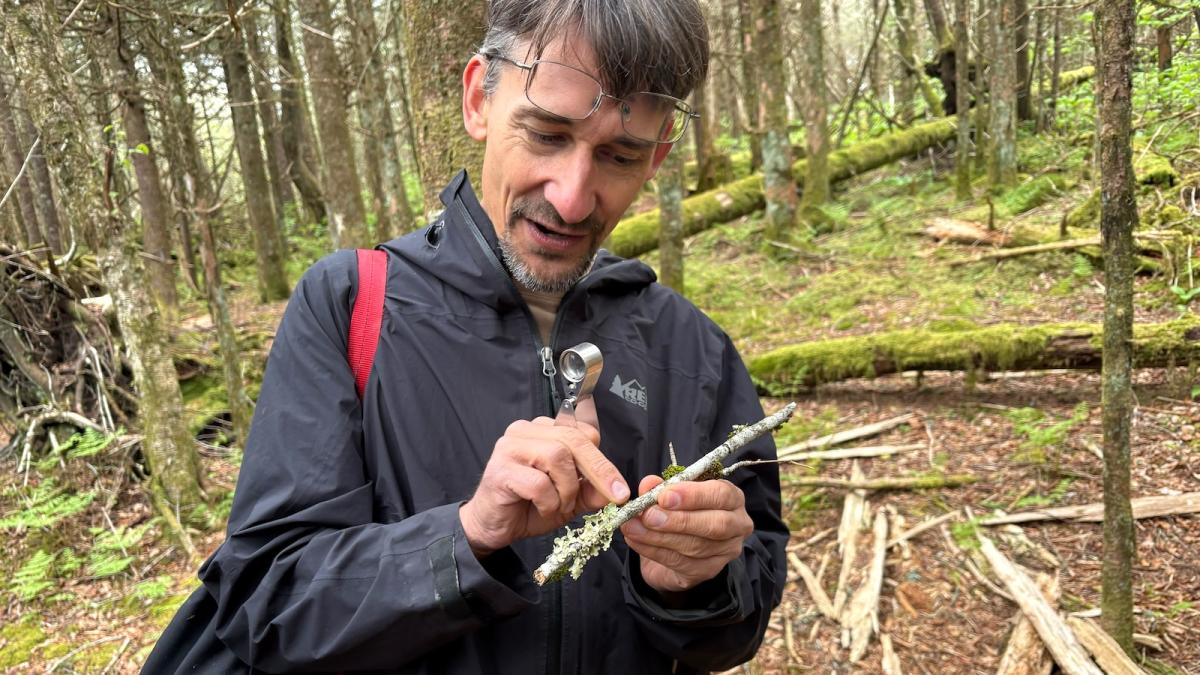
But it wasn’t just moss. James Hollinger, a retired computer scientist turned amateur lichen scientist, leaned closer and spotted a rare, spongy lichen that has been documented about a dozen times in the park. As far as he knows, it does not appear in any botanical guidebooks.
“So, we could, right here right now, come up with a common name for it,” Hollinger said excitedly, as fellow volunteer and lichenologist Laura Boggess unfolded her magnifying lens. Counting carefully, she found more than 17 other moss and lichen species on just one side of the tree.
Every square foot of the Smokies teems with life that most visitors never notice: lichens clinging to bark, fungi hidden in fallen logs, and salamanders darting beneath damp leaves. Scientists and volunteers say paying attention to those small creatures — and returning often enough to notice when they change — has grown increasingly urgent as climate change alters the park’s ecosystems and federal agencies see deep cuts that threaten long-term monitoring and biodiversity research.
Hollinger, Boggess, and the others in the group call themselves the Gang of Retirees in Search of Life’s Diversity, or “GRISLD.” Not all are retired — Boggess is beginning a teaching job at Warren Wilson College in the fall — but they share a habit of spending hours moving deliberately through remote corners of the park, documenting species few people will ever see. Connected through a listserv and their keen interest in the Smokies’ rich biodiversity, the group quietly contributes to a long-running project called the all taxa biodiversity inventory, or ATBI, conducted in partnership with the park.
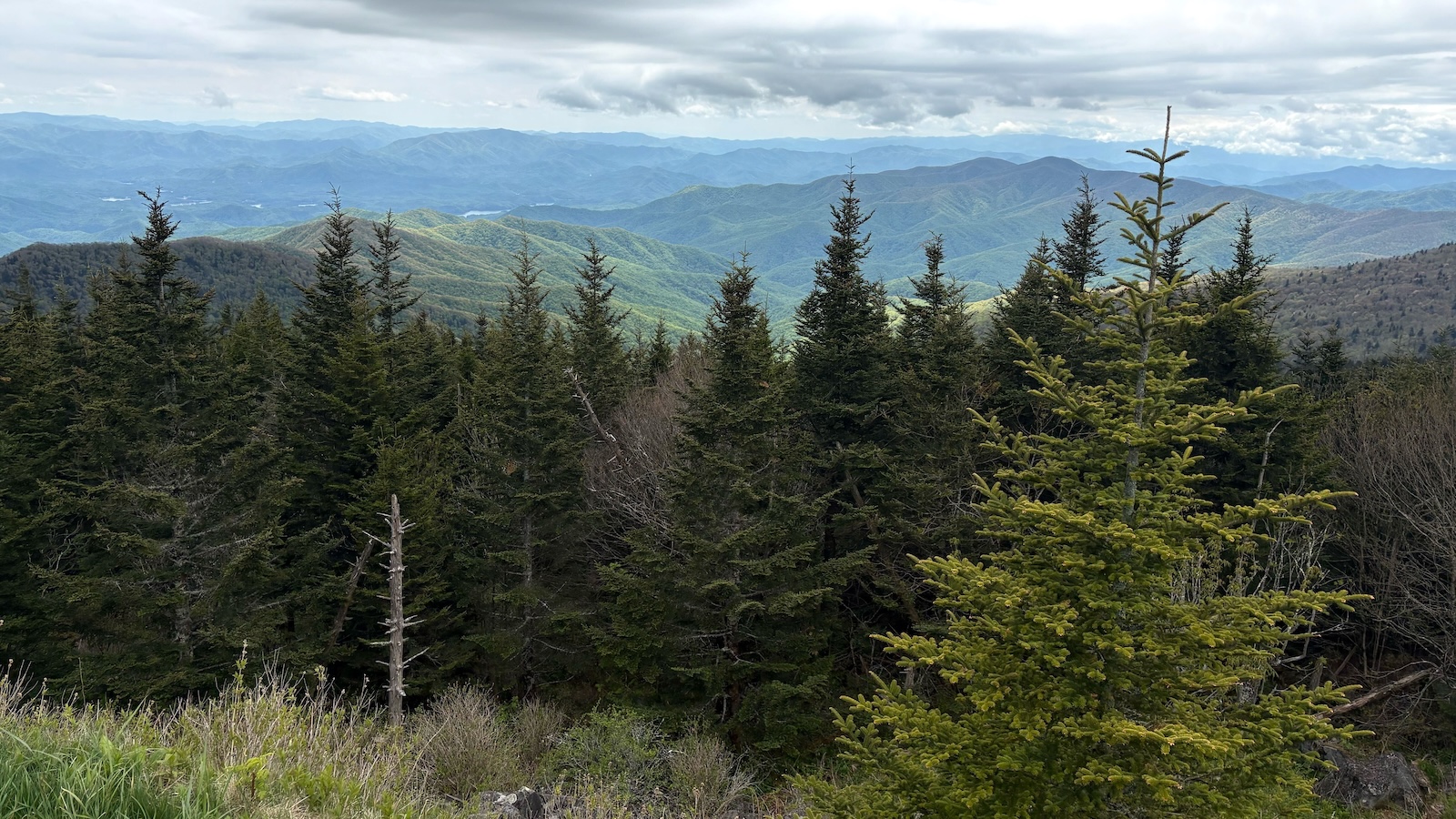
“We’ll hike into these places that other researchers don’t have the resources, the funding to,” Hollinger said. “We watch all these things and keep an eye on how things are changing.”
The Smokies project is one of the oldest and longest-running all taxa biodiversity inventories in the country, one of several decades-long efforts to document biodiversity in dozens of ecological hotspots around the world. That work has taken on increasing urgency in the Great Smoky Mountains, the most biodiverse site in the national park system and a global hotspot for salamanders, fungi, mosses, and other less-studied forms of life.
The mountains’ varied elevations and countless microclimates may help some species survive a warming world by providing pockets of cooler habitat. But climate change is also reshaping the park in visible ways, from an increase in invasive insects and dying trees to more frequent floods, fires, and violent storms. The inventory is conducted with the park and managed by the nonprofit Discover Life in America, where Will Kuhn — one of the hikers threading through the wet forest that morning — leads scientific research.
“We’re up to over 22,000 species of everything that has been documented here in the Smokies,” Kuhn said. More than 1,000 of them documented since 1998 are new to science, a number believed to just scratch the surface. “That is maybe a third to a quarter of the actual diversity here.”
Finding a new species might seem like a rare joy, but it happens regularly, Kuhn says. Larger, charismatic species are well documented, but little ones, such as mites, mosses, and microscopic plankton-like rotifers are often understudied.
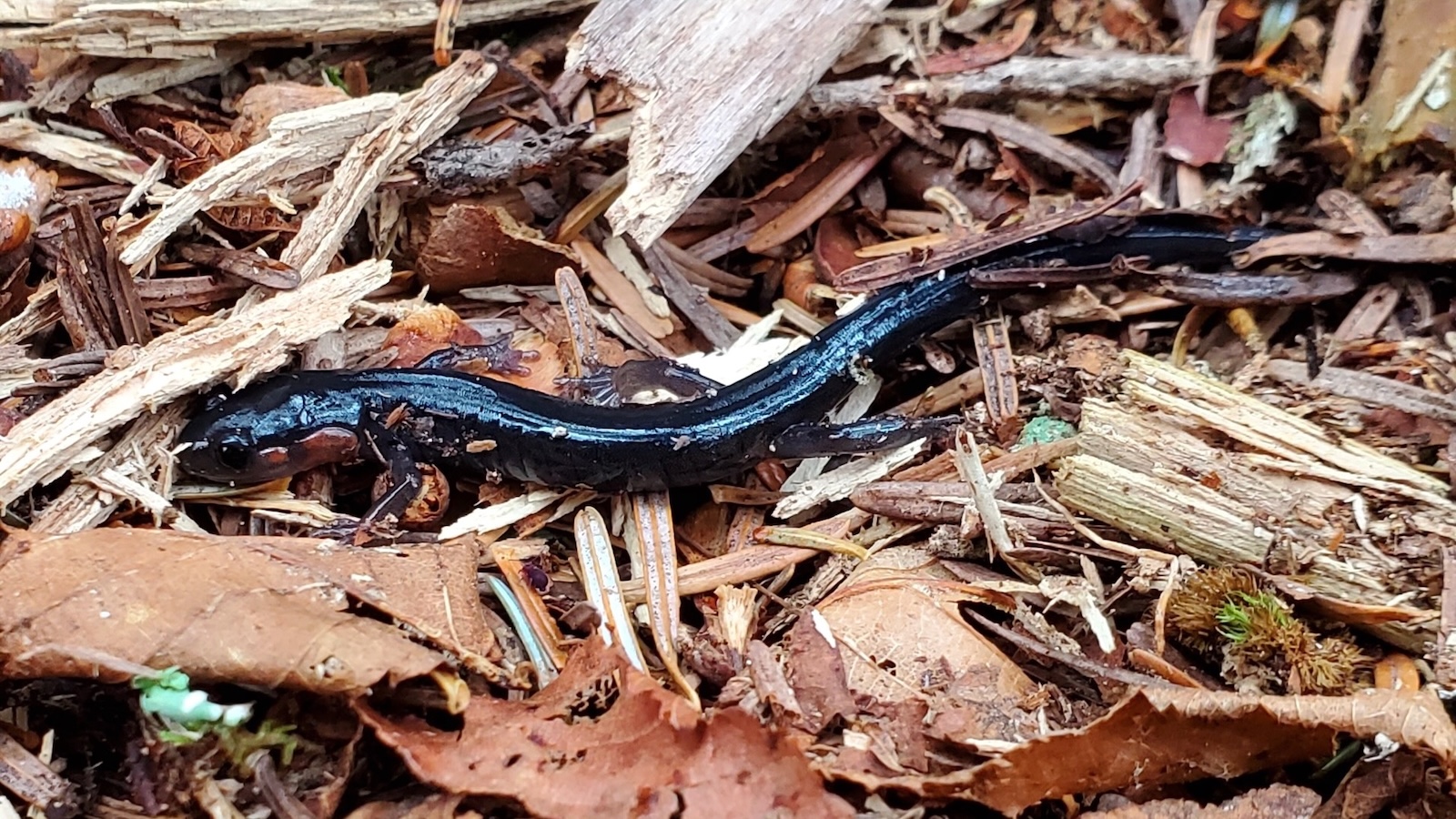
Much of the park’s biodiversity data is collected during spring and summer, when academic researchers tend to visit, Kuhn said. Volunteers are there year-round, however, tracking species that are active in colder months or, like many birds, pass through while migrating. “The park’s really known during that time of the year, but what about the things that are off-period?” Hollinger said, turning over a log as a red-cheeked salamander scampered into the wet leaves.
Although the Park Service grants permits to academic researchers, its relationships with local nonprofits and tourism-dependent communities allow it to support ecological work it cannot manage on its own. Those organizations can also raise money in times of need, in one recent case helping to keep the park open while salaries were on pause during the 2025 government shutdown.
“Ultimately, we’re able to spend money on things that benefit the park but that a federal agency just can’t do,” Kuhn said.
Retired biologist Paul Super coordinated research in the park for over two decades. He’s interested in lichens, mosses, insects, and other small creatures in part because of the way they hold moisture, keeping the mountain cool and foggy. If they die, the water cycle will change.
“Regulating the moisture in these high elevation areas is pretty important because we’re at the top of the watershed, and everybody’s drinking water is downhill from here,” Super said.
In the decades he’s spent in the park, he’s seen long-term changes unfold. Warming temperatures are rippling through the food chain, making way for invasive parasites like the woolly adelgid. The tiny insect, which is native to Asia, has infested and killed thousands of the park’s hemlocks, a towering tree sometimes called the “redwood of the East.” Other pests have attacked Fraser firs, elms, and white and green ash trees that keep streams cool for temperature-sensitive aquatic species like the beloved brook trout.
The high-elevation ecosystems of the Smokies are “sky islands” – isolated pockets of unique species that depend upon cooler, wetter conditions. When the climate warms, there’s nowhere else to go. Some may disappear before anyone even knows they’re there.
To Super, logging these species is about noticing the minute, day-to-day, month-to-month, year-to-year changes that become earth-shattering over time. “The visitor coming here for a day or a week is not going to notice things and know that this is not what it used to be,” he said.
Laura Boggess was born and raised in western North Carolina and drawn to science through a lifetime love of climbing the region’s remote cliffs. She considers these data-gathering trips a critical way to monitor the changing climate from the ground up. “The small ways, the paying attention, the naming of a species, which isn’t a small thing, but it’s like an accumulation of small, cooperative creation,” she said. “It is even more important as we enter into even more rapid change.”
There is so much to see in the park that it took the volunteers about two hours to go half a mile. Even as they left the trail and returned to the road, they found a rare parasitic fungus. The magnifying glass came out, and everyone slowly leaned in for a good look.