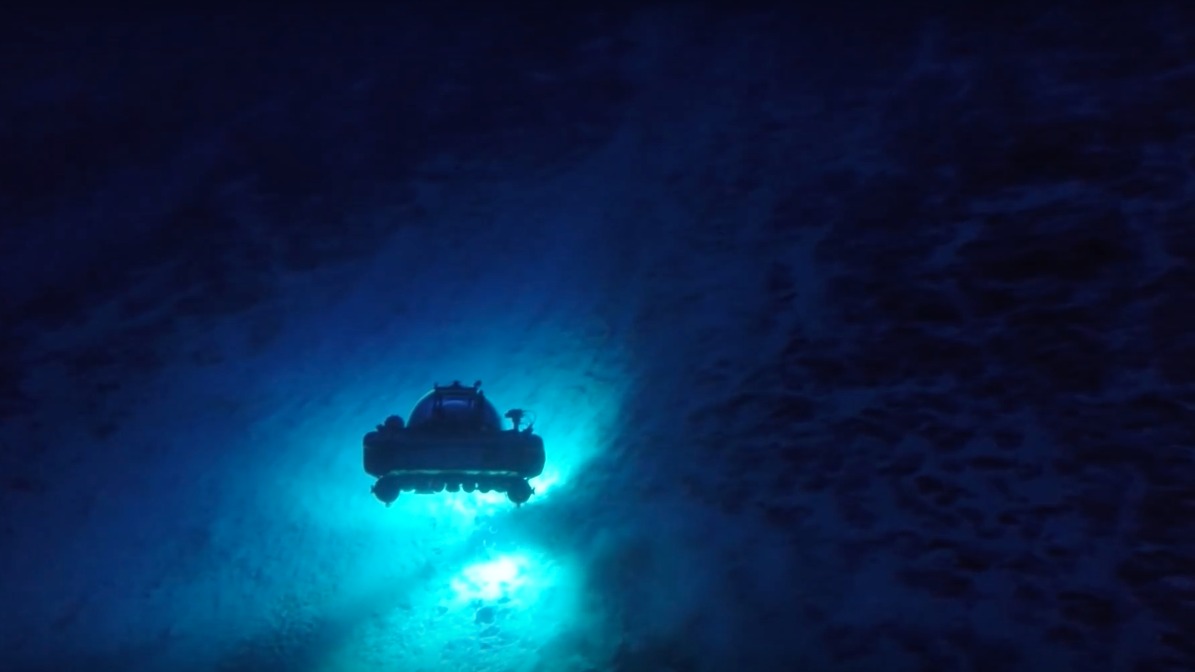
Off the coast of Bermuda, tiny vessels are diving 1,000 feet to research something we know surprisingly little about: the ocean itself. Though the ocean makes up 95 percent of the planet’s habitable area, we’ve explored 0.0001 percent of it.
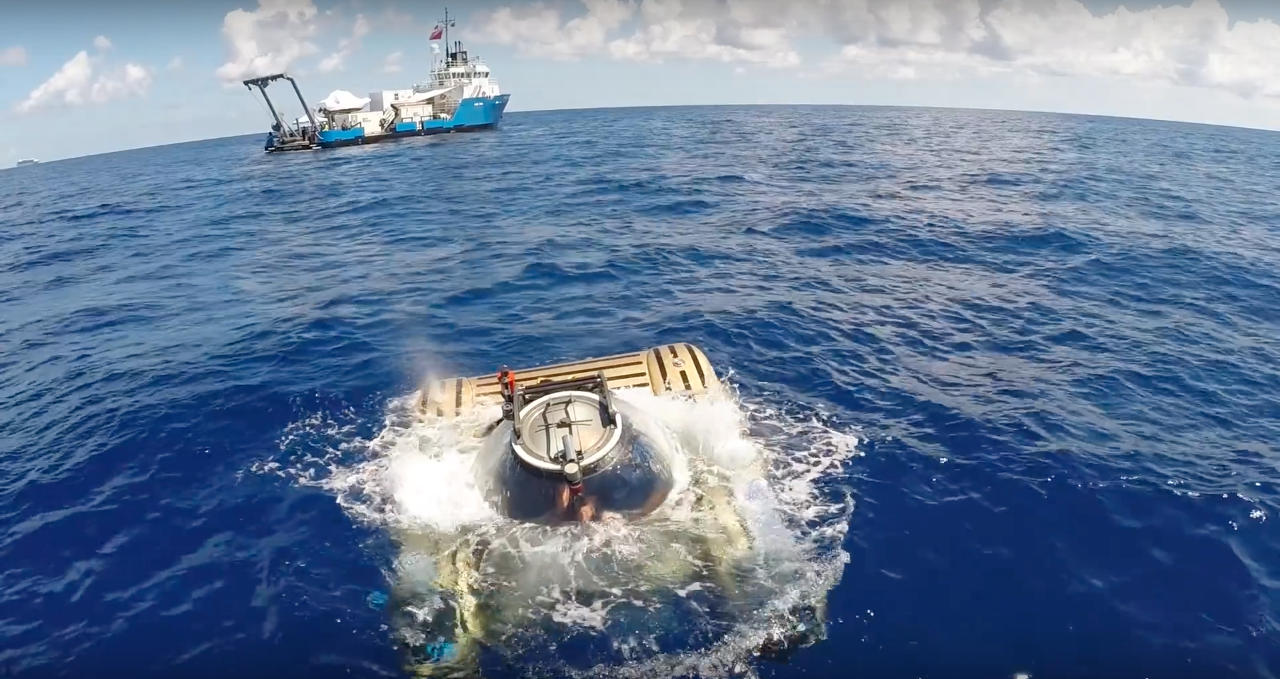
Nekton, a U.K.-based NGO, launched its first mission in mid-July to finally give us an understanding of the deep sea, using tiny research pods that are reminiscent of goldfish bowls — bowls with robot arms that grab samples from corals and sponges. The Guardian reports that the mission has uncovered new species, large black coral forests, and fossilized beaches.
There’s one thing we do know about the deep sea: We’re already changing it. Higher temperatures and ocean acidification are starving the deep sea of oxygen and changing how food circulates. That’s worrisome, because the deep ocean performs important functions: absorbing heat, regulating carbon, and terrifying us with alien-like creatures (Exhibit A: the blobfish).
Once the Nekton mission is complete, the pods will turn their grabby little arms to the Mediterranean Sea.
Until then, the goings-on of the deep sea remains one of life’s greatest mysteries — like how life originated or where your socks disappeared to after that last load of laundry.
A message from
Your support keeps our climate news free.
Grist is the only award-winning newsroom focused on exploring equitable solutions to climate change. It’s vital reporting made entirely possible by loyal readers like you.
At Grist, we don’t believe in paywalls. Instead, we rely on our readers to pitch in what they can so that we can continue bringing you our solution-based climate news. Donate today to keep our site free.