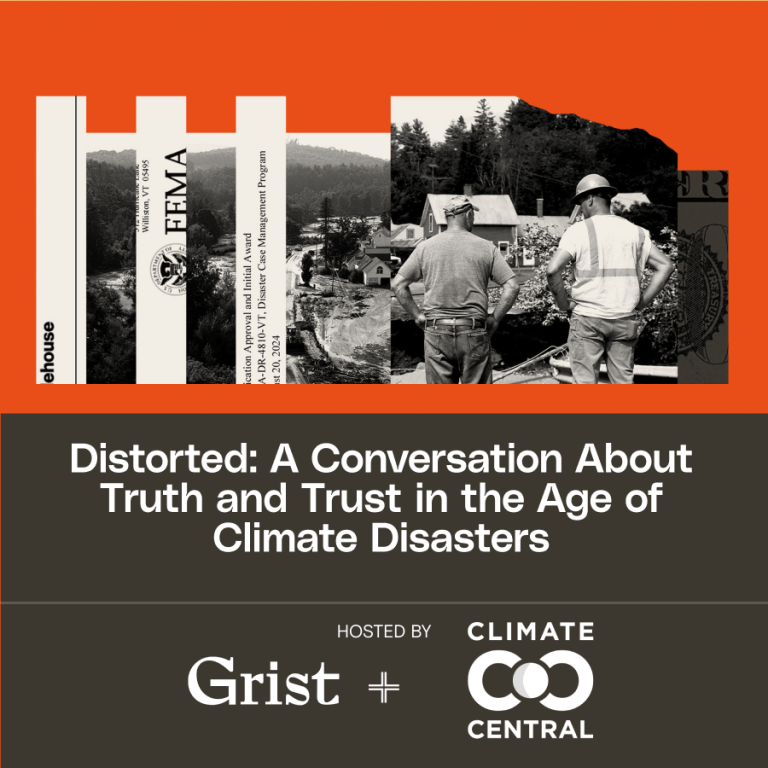
Truth and Trust in an Age of Climate Disasters
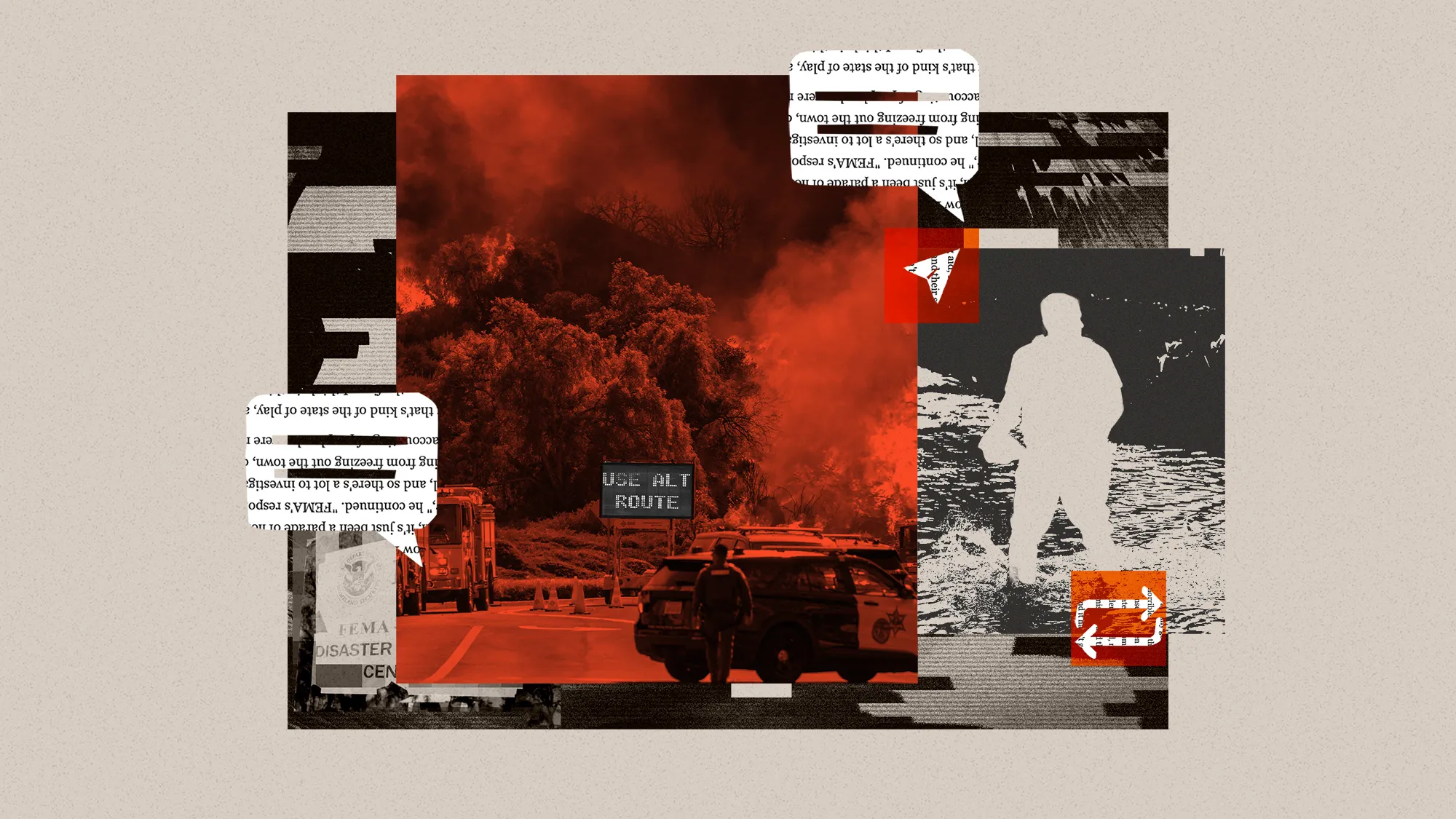
Distorted
EDITOR’S NOTE:
In the immediate wake of an extreme weather event, information systems are scrambled and chaos reigns, providing a unique opportunity for misinformation and conspiracies to spread.
Rumors swirl online about the cause of a hurricane, wildfire, or other disaster. Mistrust builds that government agencies or nonprofits have devious intent, like stealing property or evicting victims. The swarm of untruths has gotten so bad that FEMA must now put out anti-misinformation bulletins after disasters.
In our new series, Distorted: Truth and Trust in an Age of Climate Disasters, Grist examines the pathways through which mis- and disinformation spreads in the wake of extreme weather, and how those falsities disrupt relief and recovery and upend real people’s lives. We’re highlighting successful attempts to build trust and ground truth in disaster-prone communities, while giving readers like you the tools to navigate disrupted information systems, so you can better identify what’s real and what’s fake when disaster strikes.
Katherine Bagley
Editor-in-Chief, Grist

Featured


In This Series
-
![Grist logo]()
![Grist logo]()
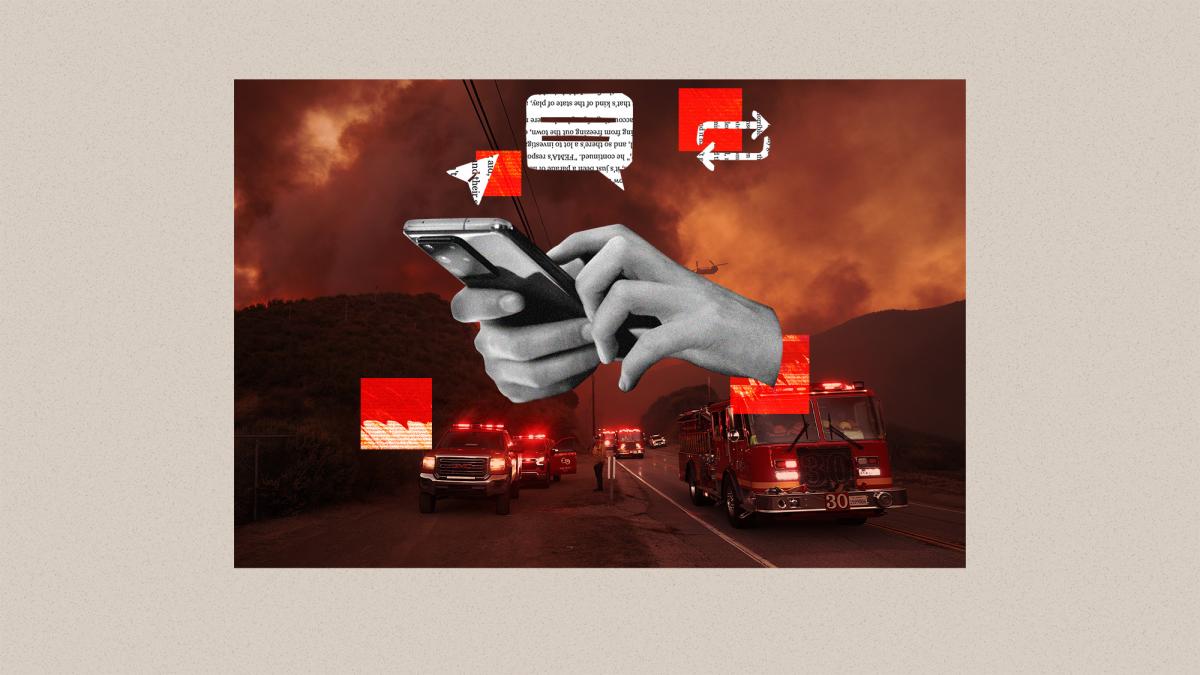
Grist launches new reporting project on the intersection of misinformation and climate disasters
The series, Distorted, will trace the pathways through which rumors and conspiracies spread after extreme weather — and how those falsities disrupt relief, recovery, and lives.
-
![press badge lanyard with the Grist logo on it]()
![press badge lanyard with the Grist logo on it]()
Why trust Grist?
Less than a third of Americans trust media outlets to report the news fully, accurately, and fairly. We at Grist are committed to rebuilding your confidence.
-
![]()
![]()
Distorted — October 28, 2026
Join Grist and Climate Central for a conversation about truth and trust in the age of climate disasters