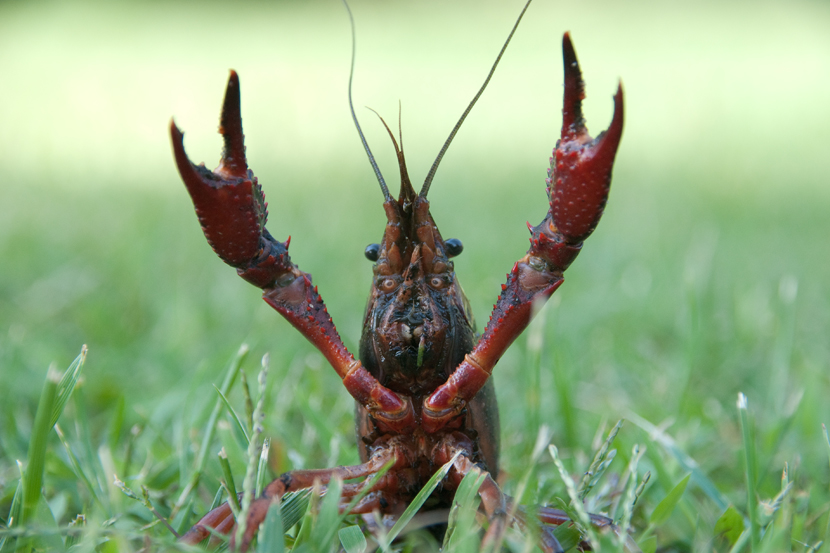
Humans might adapt to climate change through some mixture of mitigation, adaptation, and suffering (like relocating Coney Island several miles into interior Brooklyn, or saying goodbye to chocolate). But the animal kingdom? Many species are already coping with rising temperatures by physically getting smaller [$ub req].

The reasons are complex and vary between species, but the CliffsNotes version is this: Animals (especially cold-blooded ones) often develop faster metabolisms in warmer temperatures, so they burn calories more quickly and reach maturity at smaller sizes. Additionally, smaller animals could have a distinct advantage when competing for dwindling food supplies; like Anne Hathaway, they simply need less to survive. There’s also Bergmann’s rule, which basically amounts to “colder environments support species of larger morphological size BECAUSE I SAID SO.”
As part of this month’s Get Small theme, we’re profiling minimizing mammals, reducing reptiles, itty-bitty insects, and belittled birds the best way we know how: with a bunch of pretty-ass pictures.
A message from
Your support keeps our climate news free.
Grist is the only award-winning newsroom focused on exploring equitable solutions to climate change. It’s vital reporting made entirely possible by loyal readers like you.
At Grist, we don’t believe in paywalls. Instead, we rely on our readers to pitch in what they can so that we can continue bringing you our solution-based climate news. Donate today to keep our site free.