agriculture
-
![]()
![]()
FoodCorps will teach kids, link farms and schools
FoodCorps puts young workers into communities to deliver nutrition education, build and tend school gardens, and implement farm-to-school programs.
-
![]()
![]()
Grass is good: Natural meats benefit the economy and family farms
Graham Meriweather's new documentary American Meat celebrates American farmers and their efforts toward a more sustainable food system.
-
![]()
![]()
More farmers markets mean more jobs
The U.S. now has 7,175 farmers markets, up 17% from last year. Those markets and the local food systems behind them could generate a lot of jobs.
-
![]()
![]()
In defense of organic
A "mythbusting" Scientific American blogger took on organic agriculture recently, but she got much of the story wrong. Grist sets her straight.
-
![]()
![]()
High steaks: Meat eaters' climate impact
The Environmental Working Group released the Meat Eaters Guide to Climate Change + Health, and it contains surprises for climate-conscious eaters.
-
![]()
![]()
Killing weeds may kill butterflies
Monarch butterflies lay their eggs on milkweed, and as young caterpillars, they eat the stuff. But humans like to have neat rows of corn and soybeans, and milkweed interferes with their field aesthetics. Which is more important? Doesn’t matter; humans have thumbs, agriculture, and industrial chemistry. Thus, 100 million acres of row crops are now milkweed-free; Monarch butterflies have fewer places to stash their young; and their population may be dwindling.
-
![]()
![]()
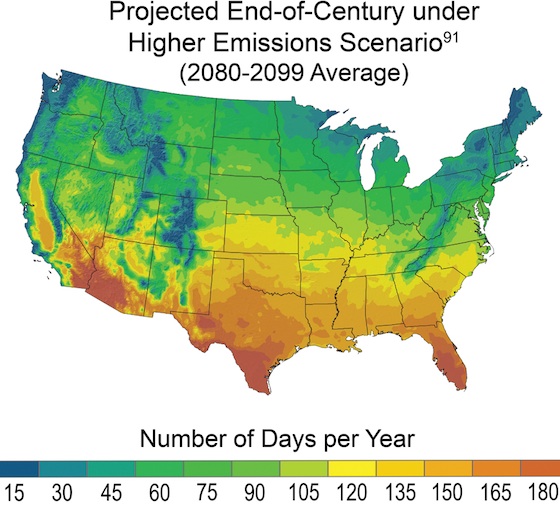
Why this drought will be way, way worse than the last one
A New York Times article about the current drought in the South compares it to a record-setting dry spell 60 years ago:
Climatologists say the great drought of 2011 is starting to look a lot like the one that hit the nation in the early to mid-1950s. That, too, dried a broad part of the southern tier of states into leather and remains a record breaker.
But this time, things are different in the drought belt. With states and towns short on cash and unemployment still high, the stress on the land and the people who rely on it for a living is being amplified by political and economic forces, state and local officials say. As a result, this drought is likely to have the cultural impact of the great 1930s drought, which hammered an already weakened nation.
But it's not just the economy that's worse now than it was in the 1950s. Water usage is also way, way up. This drought rivals the record-setting 1950s drought -- it's already breaking records in some states -- but it comes at a time when the population is double what it was in 1950, and total water use is more than twice as high.
-
![]()
![]()
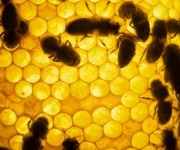
EPA risks kiling bees to fight invasive stink bugs
The brown marmorated stink bug threatens crops in 33 states. But the EPA will allow farmers to use a pesticide that could wipe out bee populations, too
-
![]()
![]()
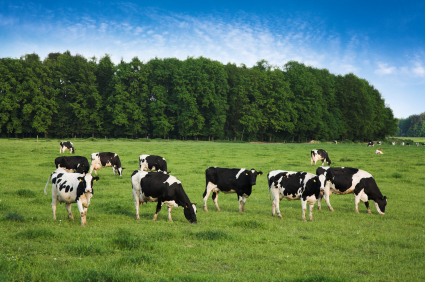
How wallaby farts could save the atmosphere
Scientists have long known that cows are big contributors to global warming. Livestock produce more than a quarter of the world's global methane emissions every year, and 20 percent of methane emissions in the U.S. It's a side effect of ruminant digestion, and aside from strapping your entire herd into carbon-filter diapers, there's no quick fix -- to cut emissions, you have to carefully manage cattle nutrition so they don't offgas as much. Or so we thought. That was before we discovered wallaby farts.