Climate Technology
All Stories
-
![]()
![]()
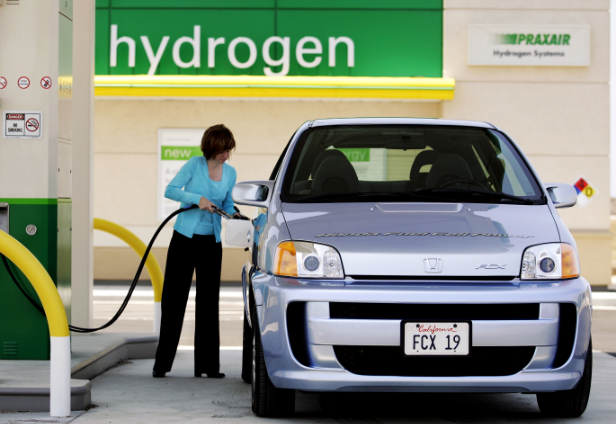
Cheap alloy could produce zero-carbon hydrogen from sunlight
An inexpensive combination of two metals common in the manufacture of computer chips can generate hydrogen from water, using only sunlight as an energy source. If the process can be made commercially viable -- and the simplicity and cost suggests it might -- it would mean yet another way to produce energy directly from sunlight, and a potential source of hydrogen for the kind of fuel cells that power both buildings and vehicles.
-
![]()
![]()
Will the Camry Hybrid help Toyota get its groove back?
After suffering recalls, an earthquake, and a tsunami, the maker of the ever-popular Prius pins its hopes for rebirth on a new green model: the Camry Hybrid.
-
![]()
![]()
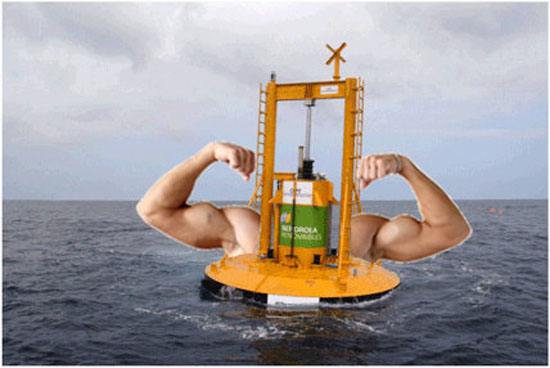
U.S. Navy's wave-power buoy plays chicken with Irene, wins

So last week Irene was all like, "HERE I AM! I'm going to rock you like myself!" And off the coast of Jersey (where else?) the U.S. Navy's PowerBuoy was like "bring it!"
-
![]()
![]()
Is planet-cooling balloon full of hot air?
A stadium-sized balloon tied down by a giant garden house could mimic the cooling effect of volcanoes, say British researchers.
-
![]()
![]()
The greenest building on Earth
Workers broke ground this week in Seattle on a six-story building that will generate its own power, collect and reuse rainwater, compost its sewage, and depend on daylight instead of halogen lamps. Its owner, the Bullitt Foundation, which supports work in sustainability, set out to build the greenest building on Earth. We'd say they're earning that title.
-
![]()
![]()
Biodegradable cigarettes: Because why should everything else die with you?
Just because your lungs are blackened doesn't mean you can't be green. San Diego-based company Greenbutts makes cigarette filters that not only biodegrade, but sprout when buried into what have to be the world's least healthy plants.
-
![]()
![]()
The dilemma of growth, as dramatized by the voices in my head
Is continued economic growth inevitable and necessary to drive improvements in the human condition? Or is continued economic growth impossible, constrained by biophysical limitations? I let the two sides battle it out in my brain.
-
![]()
![]()
China to build 50+ nuclear reactors based on unsafe 60's tech, says Wikileaks

"China is currently in the process of building as many as 50 to 60 new nuclear plants by 2020; the vast majority will be the CPR-1000, a copy of 60's era Westinghouse technology that can be built cheaply and quickly and with the majority of parts sourced from Chinese manufacturers," says this cable from the U.S. embassy in Beijing.
-
![]()
![]()
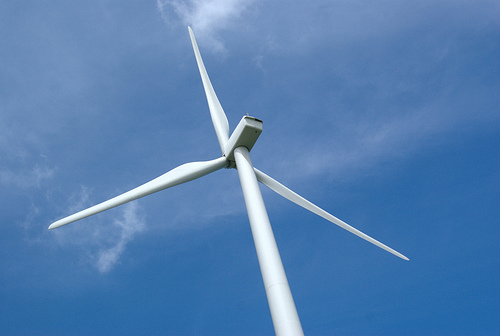
Wind power breakthrough: Carbon nanotubes make strongest, lightest blades ever

Bigger wind turbines can harvest more wind energy, but they're also heavier, which makes them less efficient. But a scientist at Case Western Reserve University figures he can solve this fundamental dilemma by throwing carbon nanotubes at it.
-
![]()
![]()
Panda poop could revolutionize biofuels
One down side of biofuels like ethanol is that they rely on easily processed crops that are also staple foods. The more farm space is given over to raising corn, soybeans, and sugar for fuels, the less is available for raising those crops to feed humans. Luckily, scientists have just discovered microbes that could help turn waste plant matter like corn stalks and wood chips into fuel. All they needed was a little bit of panda poo.