Climate Food and Agriculture
Climate + Food and Agriculture
EDITOR’S NOTE
Grist has acquired the archive and brand assets of The Counter, a decorated nonprofit food and agriculture publication that we long admired, but that sadly ceased publishing in May of 2022.
The Counter had hit on a rich vein to report on, and we’re excited to not only ensure the work of the staffers and contractors of that publication is available for posterity, but to build on it. So we’re relaunching The Counter as a food and agriculture vertical within Grist, continuing their smart and provocative reporting on food systems, specifically where it intersects with climate and environmental issues. We’ve also hired two amazing new reporters to make our plan a reality.
Being back on the food and agriculture beat in a big way is critical to Grist’s mission to lead the conversation, highlight climate solutions, and uncover environmental injustices. What we eat and how it’s produced is one of the easiest entry points into the wider climate conversation. And from this point of view, climate change literally transforms into a kitchen table issue.
Featured
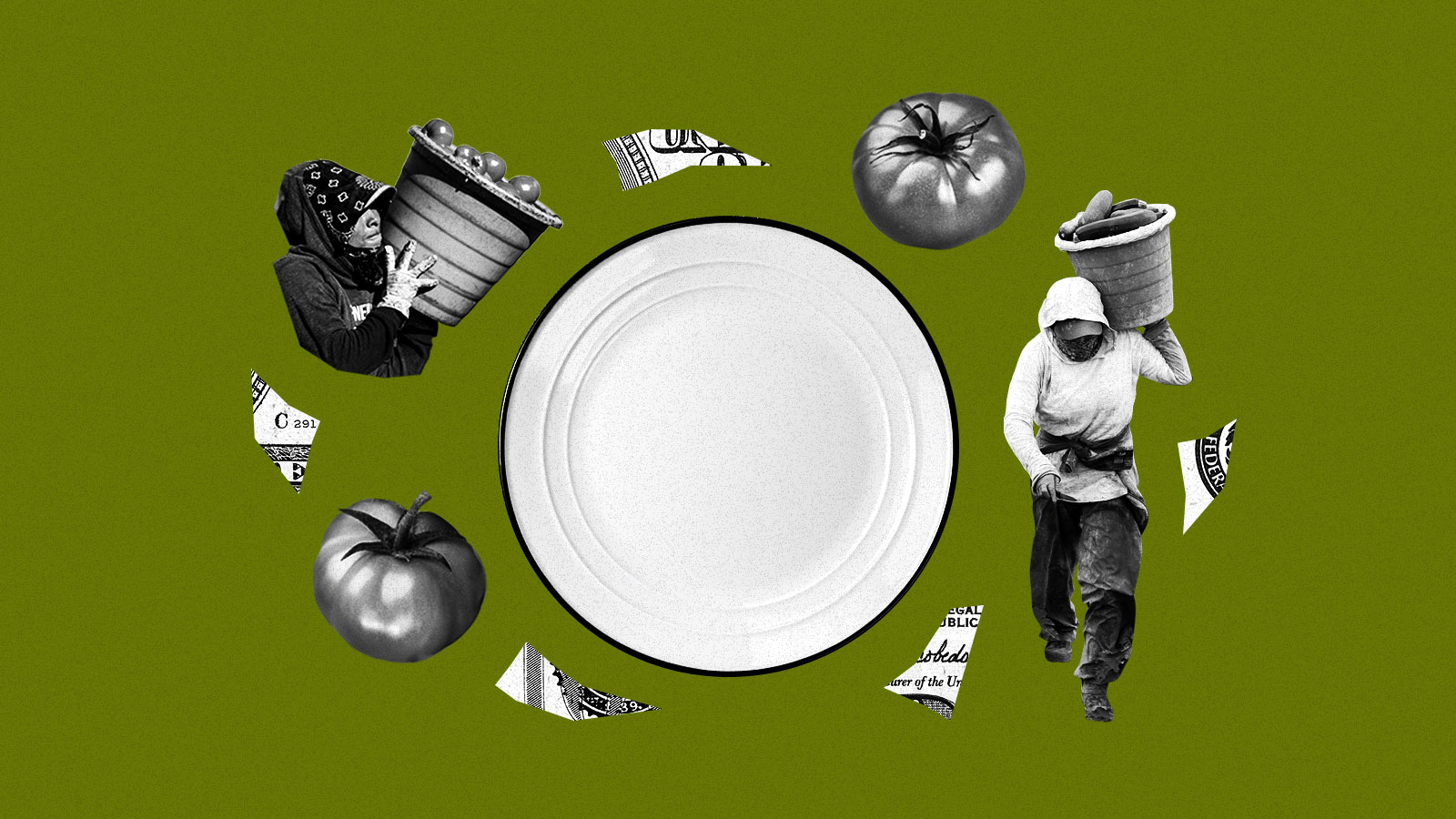
The people who feed America are going hungry
Climate change is escalating a national crisis, leaving farmworkers with empty plates and mounting costs.
Latest Articles
-
![]()
![]()
Four dirty secrets hiding in your tuna can
If mercury wasn't enough to scare you away from tuna, read about more devious offenses standard in the tuna industry.
-
![]()
![]()
Which eco-friendly food labels are meaningful, and which are just hot air?
Certified organic ... chemical free ... dolphin-safe ... the stamps and slogans on food labels make a lot of promises, but can they back it up? Audobon magazine breaks down which labels are meaningful and which are USDA-certified bull crap.
-
![]()
![]()
The great oyster crash
When oyster larvae in the Pacific Northwest started dying by the millions, ocean acidification was discovered to be the culprit.
-
![]()
![]()
New made-from-scratch school lunches trick kids into eating healthy
Schools in Greeley, Colo. are forgoing the frozen pizzas and assorted horse parts in favor of meals made from scratch with fresh ingredients. That's obviously better for students, who get better nutrients and fewer additives, but children are not historically great at doing things that are good for them. How do you sell kids on freshly cooked food when they're clamoring for junk? Greeley's new chef has some tricks up his sleeve:
Take macaroni and cheese, for example. It will still be a staple on the new menu and will still have that bright, strange yellow color that children have become accustomed to, but it will not be artificial. “No natural cheese is that color,” he said.
Greeley’s version will be colored by turmeric, a spice associated with Indian cooking. “Adds a really interesting, subtle flavor, too,” Mr. Coates said.
-
![]()
![]()
Peebottle Farms: Back to the land in Brooklyn
Welcome to my Bedford-Stuyvesant urban farm.
-
![]()
![]()
Baby steps: USDA tiptoes toward fighting animal cruelty
The USDA's Food Safety and Inspection Service takes an important step to crack down on livestock abuse. But there's still more work to be done.
-
![]()
![]()
Safe, organic food too expensive? Eat less meat
Laments over the high cost of sustainably raised meat, poultry, and dairy products miss the bigger picture: Americans eat too much meat, period.
-
![]()
![]()
The Lexicon of Sustainability
Douglas Gayeton's smart, visually packed collages bring the language of the food movement to life. Plus: They look damn cool.
-
![]()
![]()
FoodCorps will teach kids, link farms and schools
FoodCorps puts young workers into communities to deliver nutrition education, build and tend school gardens, and implement farm-to-school programs.
-
![]()
![]()
New trend: Going produce shopping in abandoned gardens
Most cities these days are chock-full of foreclosed properties. Some foreclosed properties are chock-full of fruit trees, vegetable gardens, and other sources of fresh produce. That adds up to a lot of tasty plant matter going to waste -- unless people take it upon themselves to harvest food from abandoned houses, either for their own use or to distribute to shelters. That's not legal, but as a New York Times piece makes clear, that doesn't mean it's not a good idea.