Climate Food and Agriculture

Climate + Food and Agriculture
EDITOR’S NOTE
Grist has acquired the archive and brand assets of The Counter, a decorated nonprofit food and agriculture publication that we long admired, but that sadly ceased publishing in May of 2022.
The Counter had hit on a rich vein to report on, and we’re excited to not only ensure the work of the staffers and contractors of that publication is available for posterity, but to build on it. So we’re relaunching The Counter as a food and agriculture vertical within Grist, continuing their smart and provocative reporting on food systems, specifically where it intersects with climate and environmental issues. We’ve also hired two amazing new reporters to make our plan a reality.
Being back on the food and agriculture beat in a big way is critical to Grist’s mission to lead the conversation, highlight climate solutions, and uncover environmental injustices. What we eat and how it’s produced is one of the easiest entry points into the wider climate conversation. And from this point of view, climate change literally transforms into a kitchen table issue.
Featured
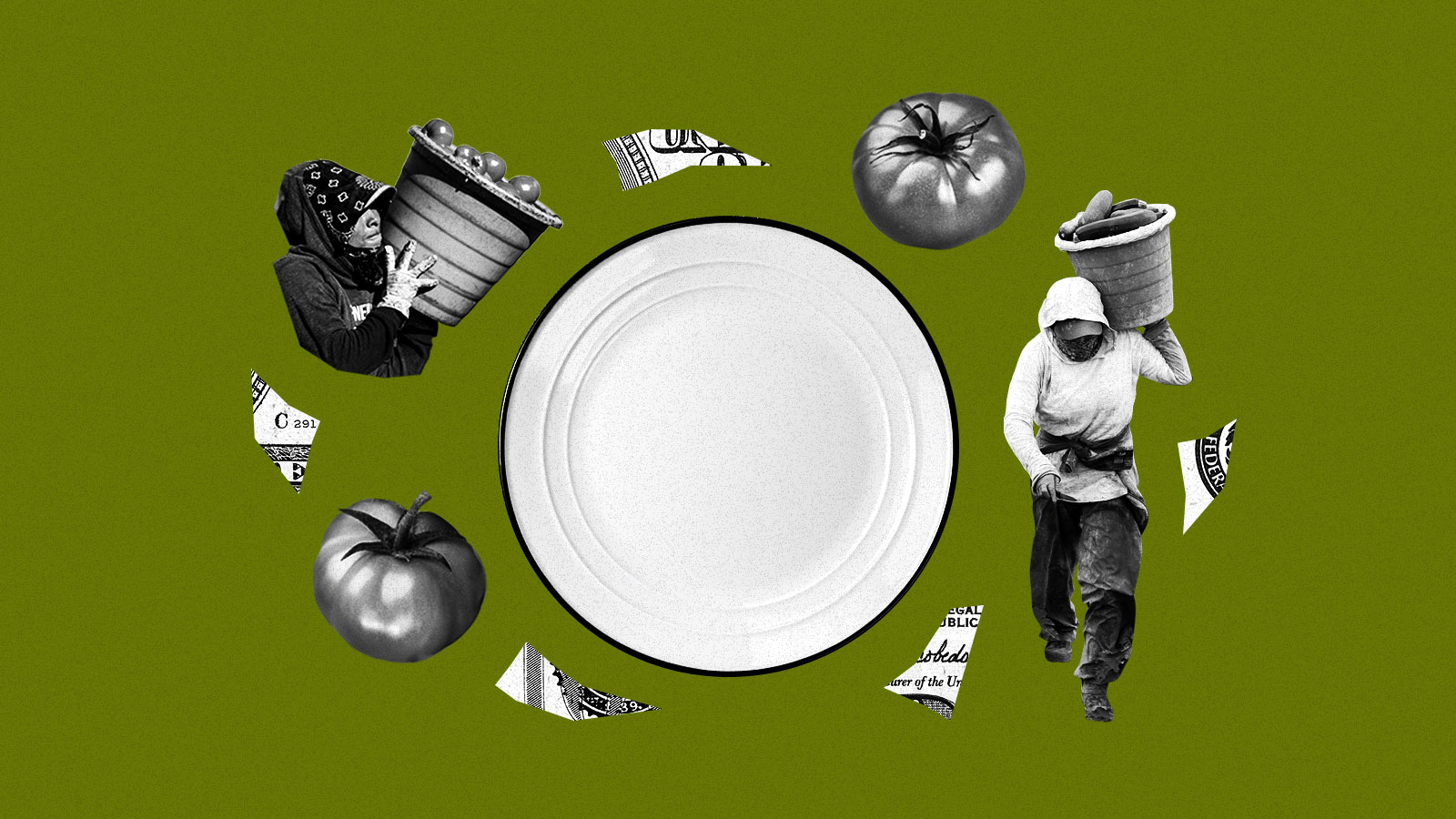
The people who feed America are going hungry
Climate change is escalating a national crisis, leaving farmworkers with empty plates and mounting costs.
Latest Articles
-
![]()
![]()
Will the Tester amendment to S. 510 help small farms and processors, but put more kids at risk?
"Deadly pathogens do not discriminate based on the size of a business," argues Food Fight panelist Kathleen Chrismer, the mother of a young victim of E. coli poisoning. Others counter that food can never be 100 percent safe.
-
![]()
![]()
Snotty locavores, agrarian urbanists, vegivores, and more
This week's tasty links from around the Web include pieces on the tendency to self-righteousness among hardcore locavores and the role of green space in high-density cities.
-
![]()
![]()
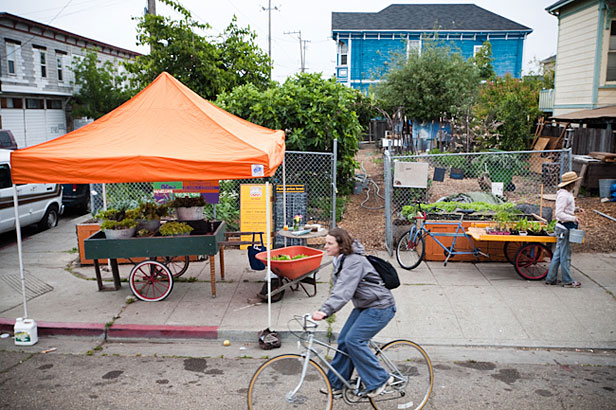
Urban agriculture in West Oakland gets a $4 million boost
City Slicker Farms gets $4 million from the state to buy land for an "urban farm park" that will not only grow food for residents, but provide a safe place to play and hang out.
-
![]()
![]()
As end times near, Glenn Beck peddles ‘food insurance’ kits
Glenn Beck's make-a-buck survivalism is crass and designed to keep fear alive. There are better ways for societies to prepare for hard times.
-
![]()
![]()
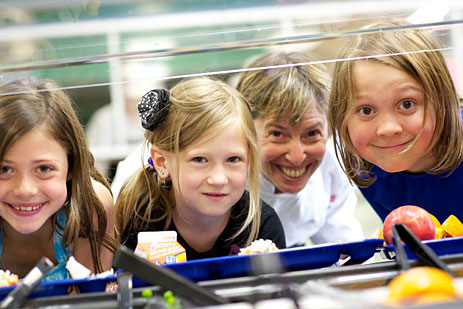
Boulder's cafeterias are attracting a new kind of 'lunch ladies'
Ann Cooper has created a parallel culinary universe where newly trained chefs forgo a glamorous restaurant career to mash potatoes for teenagers. But that's meant cuts for longtime cafeteria staff who only know how to microwave.
-
![]()
![]()
Time to kill the rooster
There’s a chore I’ve been putting off for some time, that I know will be one of the more unpleasant things I’ve encountered so far on our little farm. It’s time to thin my chicken flock.
-
![]()
![]()
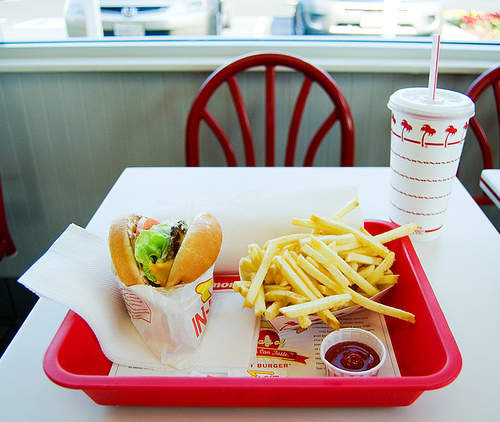
Fast food wrappers and popcorn bags leach fire-fighting chemical into food
Synthetic chemicals that repel oil and are used on paper packaging to prevent grease leaking, can migrate directly into food.
-
![]()
![]()
The origins of Boulder's school food makeover: Nowhere to go but up
How Boulder schools went from pushing Ding Dongs and sodas to luring chef Ann Cooper to revamp their entire school-food system.
-
![]()
![]()
Feeding the world means hogging less grain
How many people can the Earth support? Depends on their level of food consumption. At the U.S. average of 1,763 pounds of grain per person annually for food and feed, the 2-billion-ton annual world harvest would feed just 2.5 billion people.
-
![]()
![]()
Do we really have a food-safety crisis?
In this first installment in our debate over the Food Safety Modernization Act, our experts lock horns over food-borne-illness data and whether the problems we have with the food system are about dirty, bumpy vegetables -- or dirty, buggy cattle.