Climate Food and Agriculture
Climate + Food and Agriculture
EDITOR’S NOTE
Grist has acquired the archive and brand assets of The Counter, a decorated nonprofit food and agriculture publication that we long admired, but that sadly ceased publishing in May of 2022.
The Counter had hit on a rich vein to report on, and we’re excited to not only ensure the work of the staffers and contractors of that publication is available for posterity, but to build on it. So we’re relaunching The Counter as a food and agriculture vertical within Grist, continuing their smart and provocative reporting on food systems, specifically where it intersects with climate and environmental issues. We’ve also hired two amazing new reporters to make our plan a reality.
Being back on the food and agriculture beat in a big way is critical to Grist’s mission to lead the conversation, highlight climate solutions, and uncover environmental injustices. What we eat and how it’s produced is one of the easiest entry points into the wider climate conversation. And from this point of view, climate change literally transforms into a kitchen table issue.
Featured
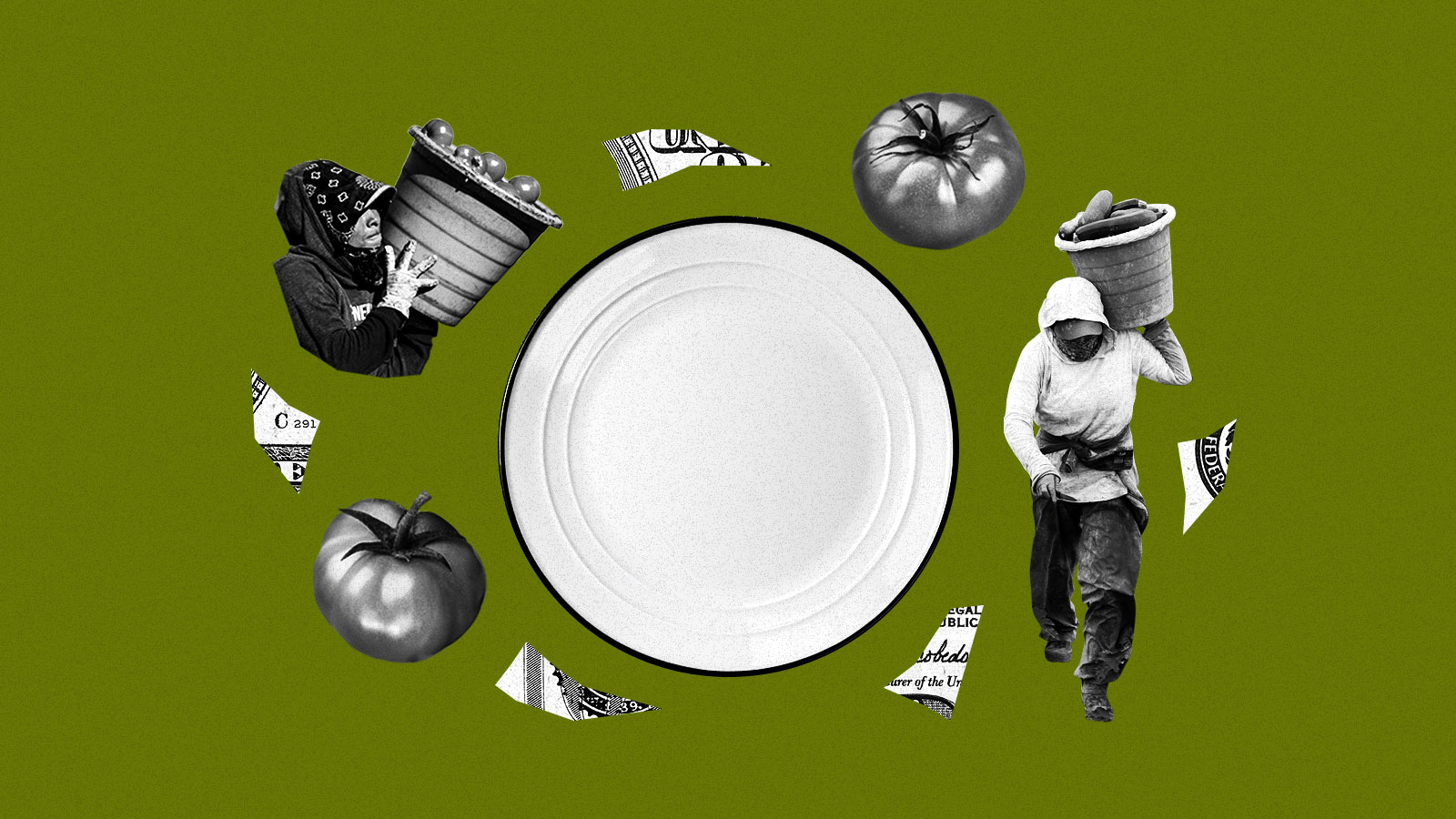
The people who feed America are going hungry
Climate change is escalating a national crisis, leaving farmworkers with empty plates and mounting costs.
Latest Articles
-
Chilean salmon-farming industry in a sad state
A virus called infectious salmon anemia is sweeping through Chile’s fisheries, bringing attention to the condition of the country’s third-largest export industry. On expansive salmon farms, fish are bred in crowded underwater pens. Fish poop and food pellets contaminate the water. As many as 1 million nonnative salmon escape each year, gobbling native species and […]
-
Recent studies: organic ag is just as productive, and better for you
For years, industrial-food enthusiasts such as Norman Borlaug have attacked organic farming on two grounds: 1) it produces essentially the same nutritional results as chemical-intensive farming, and 2) it’s less productive. Both of those criticisms are crumbling. This month, the Organic Center released a “state of science” analysis of peer-reviewed studies comparing the nutritional content […]
-
‘Heart-healthy’ pork from pigs with bad hearts
I live for this sort of stuff: Guys in white lab coats got to tinkering with pig DNA, hoping to conjure up pork rich in “heart-healthy” omega-3 fatty acids. Here’s what they did: A team from the University of Pittsburgh a first transferred the roundworm gene–fat-1–to pig foetal cells. After that, a team from the […]
-
Canada says no to ethanol waste as cow feed, and more
In Meat Wagon, we round up the latest outrages from the meat industry. Back in January, a high USDA official made a pair of statements that say a lot about how we regulate industrial food production here in the United States. On the one hand, he admitted to a journalist that feeding cows high levels […]
-
The NYT hails the era of the hipster farmer
Edible Media takes an occasional look at interesting or deplorable food journalism on the web. Hey, hipster! Wipe that smirk off your face and put that can of PBR down. It’s time to get your hands — and those stiff Carhardts — dirty. We don’t care how many obscure bands you have on your iPod, […]
-
Plans for Indiana BioTown face obstacles, but sputter on
In 2005, Reynolds, Ind., was deemed the world’s first “BioTown,” as agricultural officials unveiled a plan to power the 550-person burg entirely with corn, hog waste, sewage, and other energy sources in ready local supply. Three years and many obstacles later, the ambitious proposal is far off track. A significant private investor dropped out; construction […]
-
![]()
![]()
As the feds bail out Wall Street, here’s a food-related fix for Main Street
“The current financial crisis in the U.S. is likely to be judged in retrospect as the most wrenching since the end of the Second World War.” — Former Federal Reserve Chair Alan Greenspan, Financial Times, March 17, 2008 Breakfast of economic champions? Photo: iStockphoto Drawing on past-life experience as a financial reporter, I have been […]
-
Another study says cellulosic ethanol ain’t happening
As the case against corn-based ethanol firms up, we’re hearing a drumbeat of claims that corn is only a bridge to a bright cellulosic future. In this vision, ethanol won’t be distilled from corn grown on prime land but rather from stuff no one wants: plant “wastes,” wood pulp, prairie grass, pocket lint. The latest […]
-
Mexico to allow planting of genetically modified crops
Mexico has taken the last step toward finalizing rules that will allow genetically modified crops to be planted in the country. That has many farmers in the so-called birthplace of corn worried that GM varieties could contaminate their fields. Under the rules, GM corn wouldn’t technically be allowed in certain areas of Mexico considered “centers […]
-
Gathering around a table as environmental advocacy
 Gazing over the muddy brown expanse that the abating snows finally revealed in mid-March, it has been hard for me to imagine the lush greenery and flavorful bounty that our gardens will yield in just a few short months. But even by the time you read these words, radishes and spinach will have sprouted again. The curly tendrils of spring's first sweet peas will be stretching, aching for a grip on a trellis and an arc of precious sunlight. The warmth will return, as it always does, and with it, the promise of a table full of delicious food surrounded by the people we love.
It is an old word: convivial. Its Latin roots refer literally to "living together." We are drawn to conviviality by our very human nature, our need for companionship and warmth. Yet in today's fast-paced, technology-driven, I-get-mine-first world, we regularly sacrifice that which made us human in the first place, that which built our society -- our fundamental need for food and the camaraderie that was born of that need.