Climate Food and Agriculture

Climate + Food and Agriculture
EDITOR’S NOTE
Grist has acquired the archive and brand assets of The Counter, a decorated nonprofit food and agriculture publication that we long admired, but that sadly ceased publishing in May of 2022.
The Counter had hit on a rich vein to report on, and we’re excited to not only ensure the work of the staffers and contractors of that publication is available for posterity, but to build on it. So we’re relaunching The Counter as a food and agriculture vertical within Grist, continuing their smart and provocative reporting on food systems, specifically where it intersects with climate and environmental issues. We’ve also hired two amazing new reporters to make our plan a reality.
Being back on the food and agriculture beat in a big way is critical to Grist’s mission to lead the conversation, highlight climate solutions, and uncover environmental injustices. What we eat and how it’s produced is one of the easiest entry points into the wider climate conversation. And from this point of view, climate change literally transforms into a kitchen table issue.
Featured
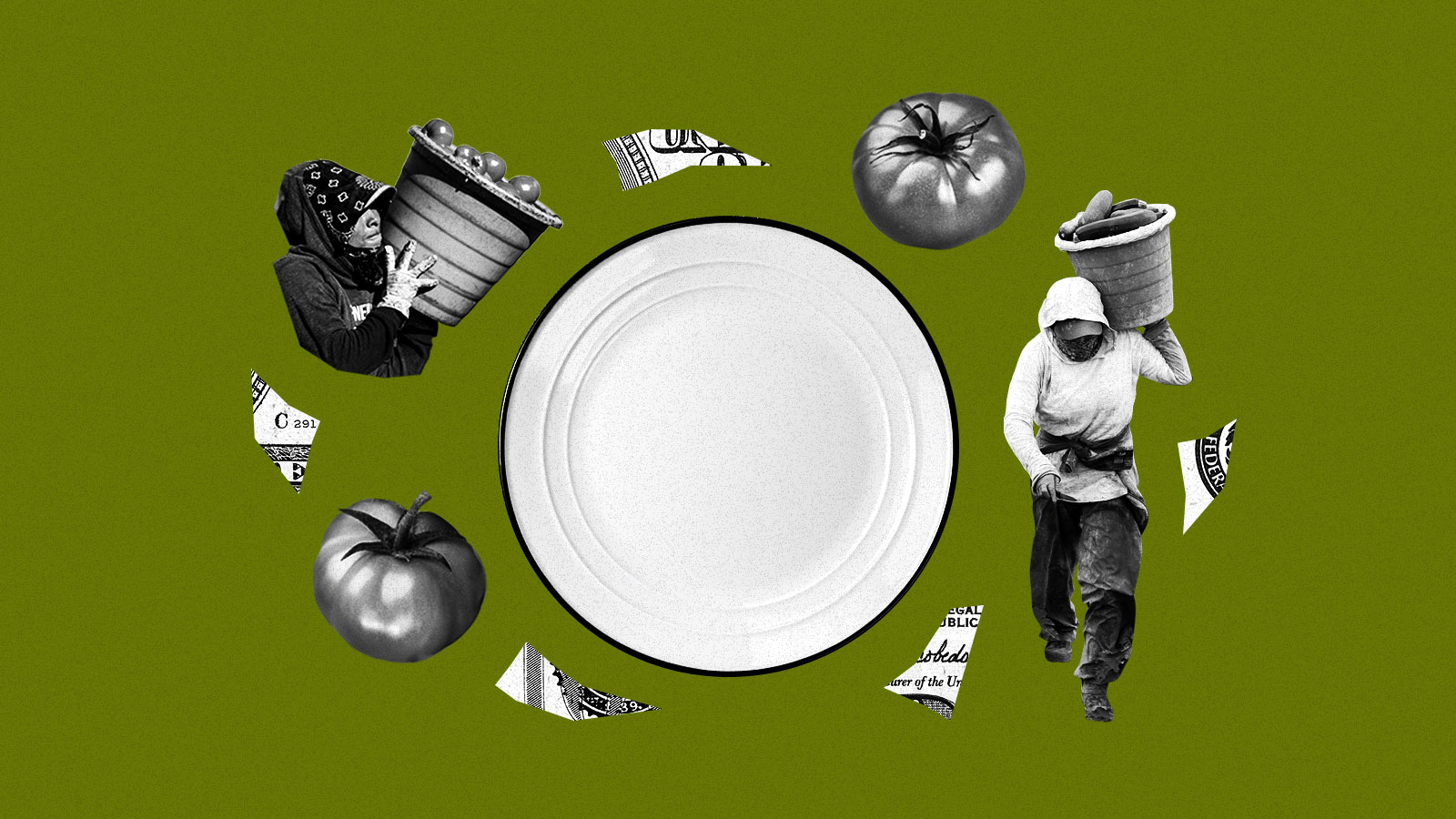
The people who feed America are going hungry
Climate change is escalating a national crisis, leaving farmworkers with empty plates and mounting costs.
Latest Articles
-
Filling Up Wide Open Spaces
Forget about urban sprawl; the new menace facing the U.S. landscape is rural sprawl, according to some experts. In seeking refuge from city life, Americans started by moving to the suburbs; then they started building beyond the suburbs, creating “exurbs”; now, they’re gradually expanding into some of the country’s most remote areas. Growth rates of […]
-
Drain, Drain, Go Away
Now, back to typically depressing fare: California’s Central Valley Regional Water Quality Control Board said yesterday that it would extend exemptions on pollution limits for farmers, meaning that pesticides, salts, and other pollutants will continue to drain from agricultural fields into the region’s watershed. The exemptions were set to expire on Dec. 31, a deadline […]
-
The Science of the Lambs
It ain’t easy being a scientist in farm country: Researchers studying the health effects of agricultural pollution say they are being silenced by fearful superiors and harassed by individual farmers, farm groups, and even the U.S. Department of Agriculture, which funds and controls much of the research done on farming. One example: JoAnn Burkholder, a […]
-
Very Slow Food Movement
After months of heated debate, the 15 farm ministers of the European Union agreed last week on labeling rules for genetically modified (GM) food and animal feed. Under the plan, all food and feed containing 0.9 percent GM ingredients or more would need to be identified as such; below that threshold, no labeling would be […]
-
Umbra on vegetarianism
Dear Umbra, I have been a vegetarian for a pretty long time, but my uncle told me that if the human is not supposed to eat meat then why do we have teeth. He left me a little confused. Is the human being naturally vegetarian? LaidaSomerville, Mass. Dearest Laida, Your uncle is unkindly denigrating your […]
-
I Double Dairy You
Got pollution controls? Five dairy farms in California soon will — and environmentalists hope the new rules will eventually apply to dairies nationwide. To avoid legal action by environmental groups, the five farms in the Inland Empire region of the state have agreed to modernize their operations by developing greener plans for manure lagoons and […]
-
Corn at the Right Time
The activist-friendly town of Takoma Park, Md., unveiled an inspiring (albeit funny-looking) monument to the clean energy movement yesterday: A silo that holds 21 tons of organic corn. The corn will be used as an alternative fuel to heat a dozen homes in the town’s Save Our Sky Home-Heating Cooperative, keeping more than 100,000 pounds […]
-
Prairie Dogged
Faced with drought and plunging profits, Colorado farmers are under growing financial pressure to hawk their land to developers. Between 1993 and 2001, about 1.5 million acres of farmland in the state were put on the market and developed; 300,000 of the acres were sold in 2001 as a drought began to take hold. State […]
-
Sweet Child of Mine?
After forcing a mining operation to leave town in 1997, the 46 families of Junin, a remote village in northern Ecuador, decided to have a go at ecotourism to protect the rainforest around them — and to earn a living. But now a growing number of the residents are questioning that choice. The paradise of […]
-
Jews for Cheeses
Seven ultra-Orthodox Jewish families have signed on to create what is likely the world’s first organic, kosher, communal farm. Following the tenets of the Torah and Talmud, the farmers will not pick fruit from their orchards for the first three years; they will let their land lie fallow every seventh year and will only plant […]
