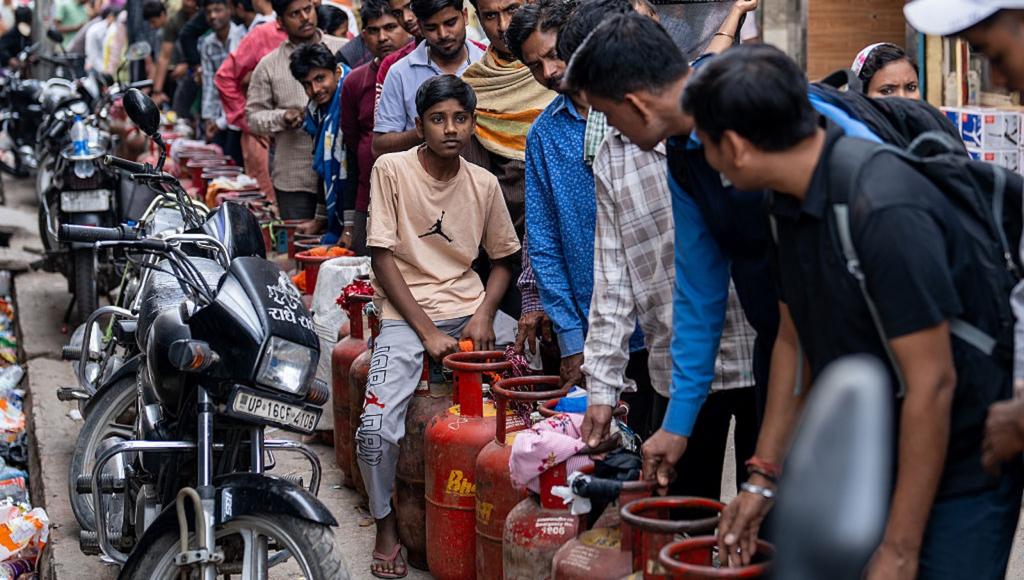

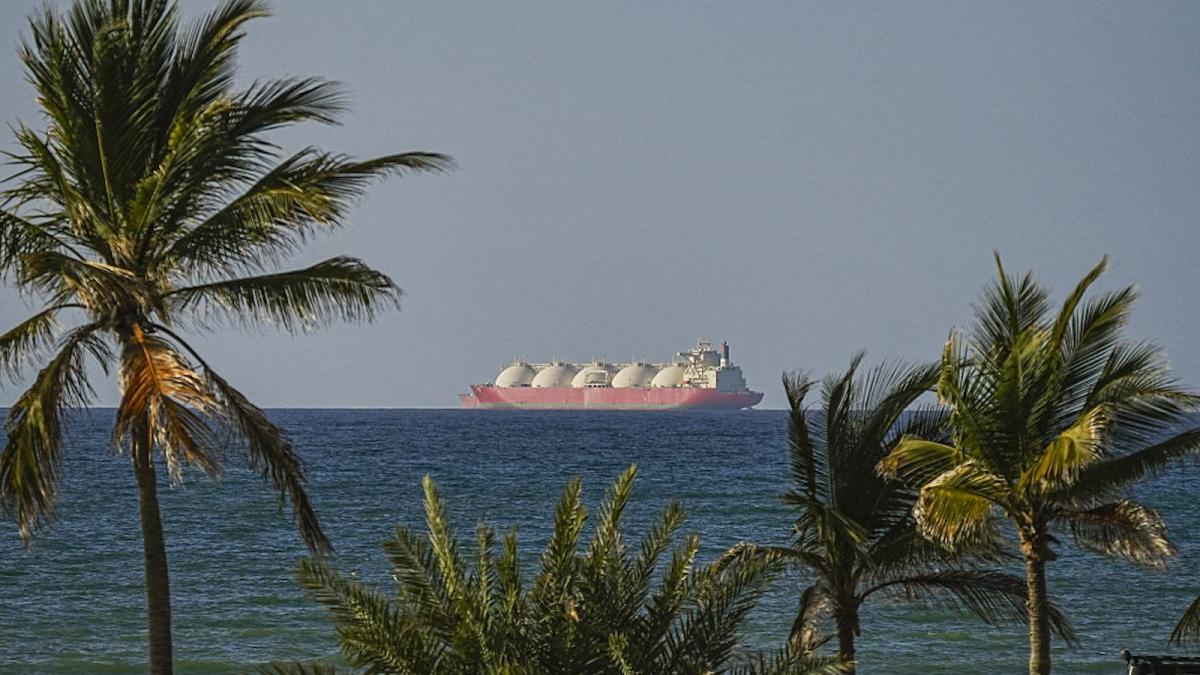
The shipping industry has been facing an acute crisis. For the first time in modern history, both of the Middle East’s critical waterways — the Strait of Hormuz and the Red Sea — were effectively closed for the past several weeks. Since early March, as Iran and Houthi rebels threatened ships attempting to cross these waterways and blocked the movement of oil in response to U.S.-Israel bombing, crude oil prices have soared. Maritime fuel costs in turn rose so sharply that some biofuels are now cheaper. And more than 150 ships were marooned, unable to safely pass through the Strait, which carries 20 percent of the world’s oil supply. Others have been making long detours around the southern tip of Africa, adding to the mounting cost of shipping and weeks of travel time. After briefly reopening the Strait, Iran seized the waterway once again over the weekend, restricting ships from passing.
It’s under these conditions that the International Maritime Organization, or IMO, the United Nations agency overseeing global shipping, is meeting this week to discuss reducing the climate change impact of the shipping ind... Read more