One and a half billion citizens of planet Earth aren’t connected to the power grid, and if Aquion Energy has its way, they will remain so forever. But not because they will be turned into Soylent Green! If that’s what you were thinking.
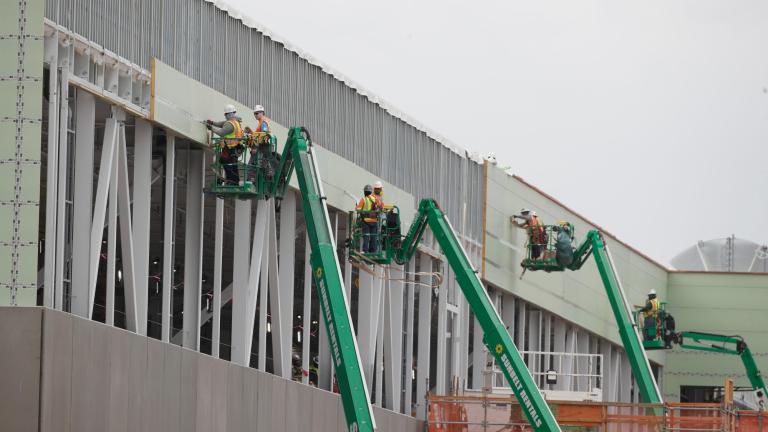
Aquion specializes in making large batteries, cheaply. They don’t look like much — they live in a former TV factory outside Pittsburgh, and you’ll probably never buy any of their products. To the world’s poor, however, they’re working on something that could make a profound difference to their quality of life, reports Kevin Bullis at Technology Review.
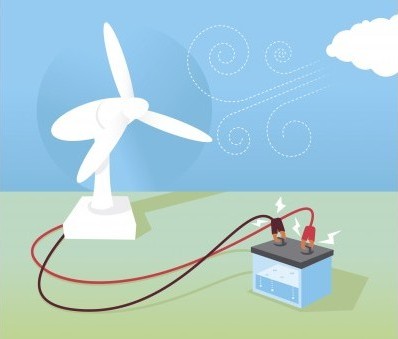
To store [solar] power generated during the day for use at night, these communities need battery systems that can handle anything from tens of kilowatt-hours to a few megawatt-hours, says Scott Pearson, Aquion’s CEO. Such a system could make long-distance transmission lines unnecessary, in much the same way that cell-phone towers have allowed such communities access to cellular service before they had land lines.
Power storage is the other half of the solar-will-replace-the-grid story emerging from the developing world. It’s already taken off in Bangladesh, spawning a cottage industry of solar-powered lighting solutions and a billion-dollar commitment from Norway. In a world in which we’re rapidly burning through our one-time endowment of fossil fuels, it’s starting to look as if, for once, models for sustainable development might first get a toe-hold among the planet’s have-nots.
A message from
Your support keeps our climate news free.
Grist is the only award-winning newsroom focused on exploring equitable solutions to climate change. It’s vital reporting made entirely possible by loyal readers like you.
At Grist, we don’t believe in paywalls. Instead, we rely on our readers to pitch in what they can so that we can continue bringing you our solution-based climate news. Donate today to keep our site free.