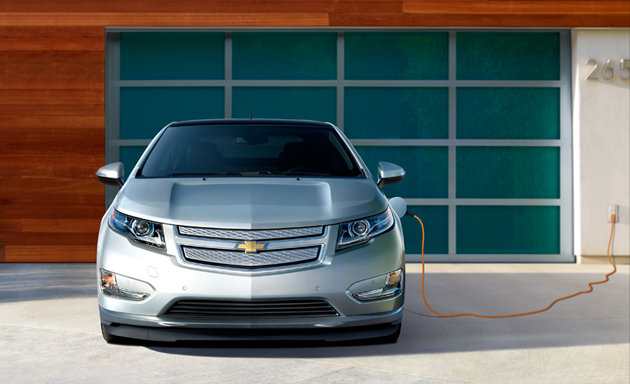
As long as electric cars are new and running properly, they’re clearly helping the world deal with climate change and all the other messes humans are making. But as soon as those EVs start aging, they bring with them a new problem. It’s hard enough to recycle the batteries that power tiny devices. What do you do with those ginormous batteries that store a car’s power?
Car companies are betting that they can turn those used batteries into assets. Even if they’re useless for cars, the batteries still have enough oomph that they can store power for residential systems, National Geographic News reports:
The batteries are degraded below acceptable performance levels for cars, but the companies say the batteries have enough life to serve the grid for at least ten years in this device, a community energy storage unit.
A string of old Chevy Volt batteries can power up to five homes for two hours, for instance.
There are two uses for this, basically: a back-up supply of energy, in case, oh, I don’t know, an unusually powerful storm knocks out your power supply stations? (BUT FOR REAL WHEN WOULD THAT EVER HAPPEN.) And, on a more day-to-day basis, these batteries can store excess power produced by renewable energy sources like wind and solar. It’s all so perfect! If only electric cars were economically feasible right now!
A message from
Your support keeps our climate news free.
Grist is the only award-winning newsroom focused on exploring equitable solutions to climate change. It’s vital reporting made entirely possible by loyal readers like you.
At Grist, we don’t believe in paywalls. Instead, we rely on our readers to pitch in what they can so that we can continue bringing you our solution-based climate news. Donate today to keep our site free.