Climate Cities
All Stories
-
NYPD trashes hundreds of bikes in security response
Well, so much for Earth Day. Since yesterday morning, the blogosphere and Twitter have been in a tizzy over the disposal of hundreds of bikes by the NYPD due to President Barack Obama’s visit to New York City yesterday. The story, accompanied by a photo, was initially sent in to the blog This Is Fyf: […]
-
Britain’s ‘Coed Darcy’ shows the value of sparkling new towns
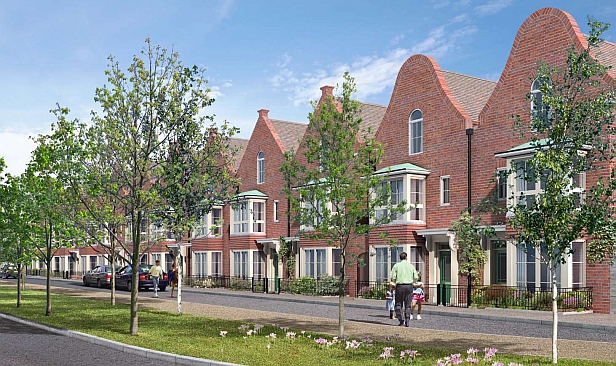
Sim Darcy: An illustration of the Welsh urban villageCourtesy The Prince’s Foundation for the Built Environment Coed Darcy is an oddly named urban village that’s going to be built from the ground up over the next 20 years in southern Wales. It’ll have an impressive 4,000 compact homes, plus commercial space and 1,300 acres of […]
-
![]()
![]()
Bike love in unlikely places—Detroit, Dallas, Abu Dhabi
Courtesy Moriza via FlickrI’m hard pressed to think of three places less likely to invest in bicycle infrastructure than Detroit, Dallas, and Abu Dhabi. But they are. Motor City will add 30 miles of bike lanes, focused in its southwest quadrant, with hopes to add hundreds of miles more in coming years. Dallas citizens, planners, […]
-
![]()
![]()
Northwest mountain towns become home efficiency lab
The American pet-food industry spends more on research and development each year than the American utility industry does, according to a mind-blowing line in Thomas Friedman’s Hot, Flat, and Crowded. In most competitive industries, companies spend perhaps 8 to 10 percent of total revenues on R&D. Utilities, which don’t have to compete with each other, […]
-
![]()
![]()
Towns invest in smarter streets … in Mississippi
Two Mississippi towns want better options than auto-only streets, and now they’ve made it official. The towns of Tupelo (pop. 36,223) and Hernando (pop. 6,812) each passed Complete Streets legislation that ensures roads will be built and maintained for walkers, cyclists, and other forms of transportation—along with drivers. Yesterday St. Louis citizens voted to fund […]
-
![]()
![]()
Understanding the allure of ‘drill baby drill’
President Obama’s decision to expand offshore drilling leases seems to affirm the power that the “drill baby drill” battle cry holds in the American energy conversation. Turns out a short, simple, much-repeated slogan holds more currency than detailed policy arguments from clean-energy advocates. I want to tease out a connection between “drill baby drill” and […]
-
![]()
![]()
New homes are cropping up in cities, not suburbs
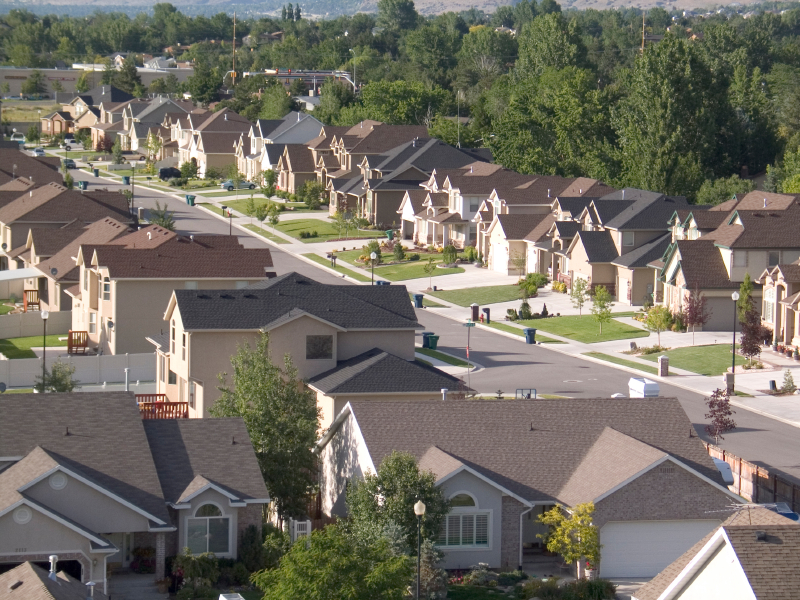
Today in conventional wisdom–busting news, we learn that grimy old cities are attracting more residential construction than the bright suburban frontier. Urban redevelopment is outpacing fringe sprawl by a solid margin, according to a new EPA study of the nation’s 50 largest metro areas. It’s a “fundamental shift in the real estate market,” says the […]
-
![]()
![]()
Carbon neutral caution
There’s been a lot of ambitious talk lately about carbon neutrality. It’s exciting stuff, but it’s worth pausing to consider just how huge that challenge is. And what, precisely, does it mean? Zero emissions, or lots of offsets? I thought it was interesting to take a look at the climate action plan from the city […]
-
![]()
![]()
We all know how bad it can be. How good can it be?
A few reader comments worth highlighting from this story on envisioning a sustainable future: davefinnigan: We need a film, 2 hours in length, with a plot and story line, that shows the world in 2050 if we do what we know we should to solve environmental problems. Who could produce that? George Lucas, James Cameron? […]
-
![]()
![]()
Your street is fat
These California designers and their imaginations. Steve Price shows people what their towns might look like if they were rebuilt along Smart Growth principles. At Narrow Streets: Los Angeles, David Yoon takes comically overbuilt streets in L.A. and Photoshops them down to a human scale. Here’s his reinvention of Sunset Boulevard in Echo Park: On […]