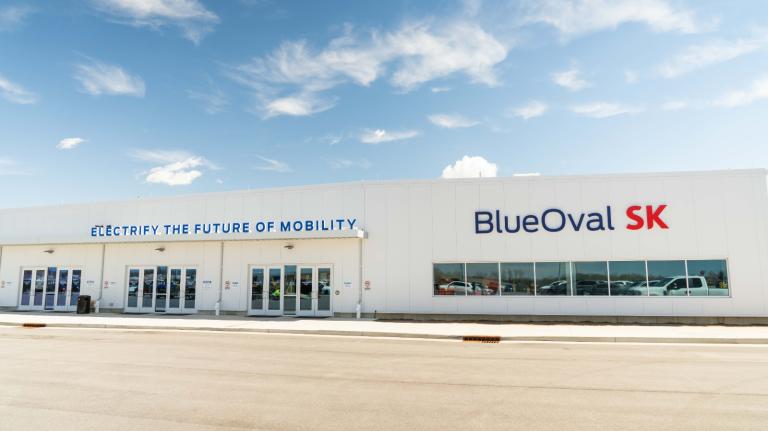
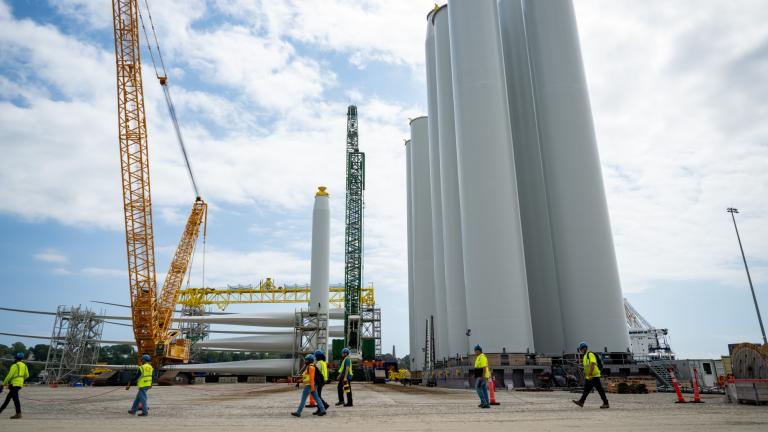
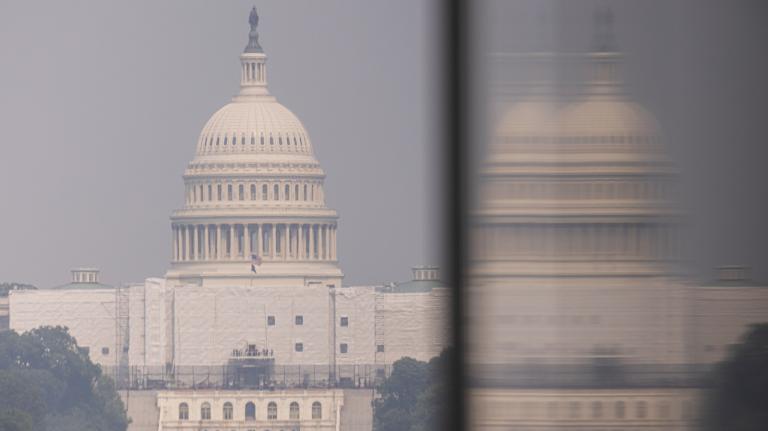
The Department of Interior abruptly paused the leases for five of the nation’s largest proposed offshore wind projects on Monday. That effectively halts all ongoing offshore wind development in the United States.
The moves come as electricity demand in the U.S. is growing for the first time in years, driven in large part by the data centers needed to fuel the artificial intelligence boom. The Biden administration issued the leases to help meet that demand and as part of its goal of shifting the country away from fossil fuels and toward more renewable energy sources.
“This so-called ‘pause’ on offshore wind makes no sense and is an escalation of the administration’s ongoing, baseless attacks on clean energy,” Pasha Feinberg, offshore wind strategist at the Natural Resources Defense Council, or NRDC, said in a statement. “In its ongoing effort to prop up waning fossil fuels interests, the administration is taking wilder and wilder swings at the clean energy projects this economy needs.”
The five leases paused under the order are Vineyard Wind 1, Revolution Wind, CVOW, Sunrise Wind, and Empire Wind. They stretch across coastal waters from Massachusetts to Virginia and were expected to create hundreds of new jobs. The New York Times said the projects are worth $25 billion and will eliminate enough power generation to serve 2.5 million homes and businesses. The order leaves the U.S. with just two operational offshore wind farms, one off the coast of Rhode Island and the other in the waters of New York, the Times noted.
In a press release announcing the pauses, Secretary of Interior Doug Burgum cited “national security risks,” including technological vulnerability and the proximity of the projects to the East Coast. The department also said that unclassified government reports “have long found” that offshore wind projects create radar interference called “clutter.” The clutter, it said, obscures legitimate moving targets and generates false targets in the vicinity of the wind projects.
“Turbines can interfere with radar — this is absolutely nothing new,” Feinberg told Grist in an email. “All developers are required to work with [the Department of Defense] during design and construction to evaluate potential impacts and avoid or mitigate them.”
Kirk Lippold, a national security expert and former commander of the USS Cole, told the Associated Press that the records show the defense department “was consulted at every stage of the permitting process.” He said that the projects would actually be a boon to national security because they would diversify the country’s energy supply. Experts say more wind production would also benefit customers.
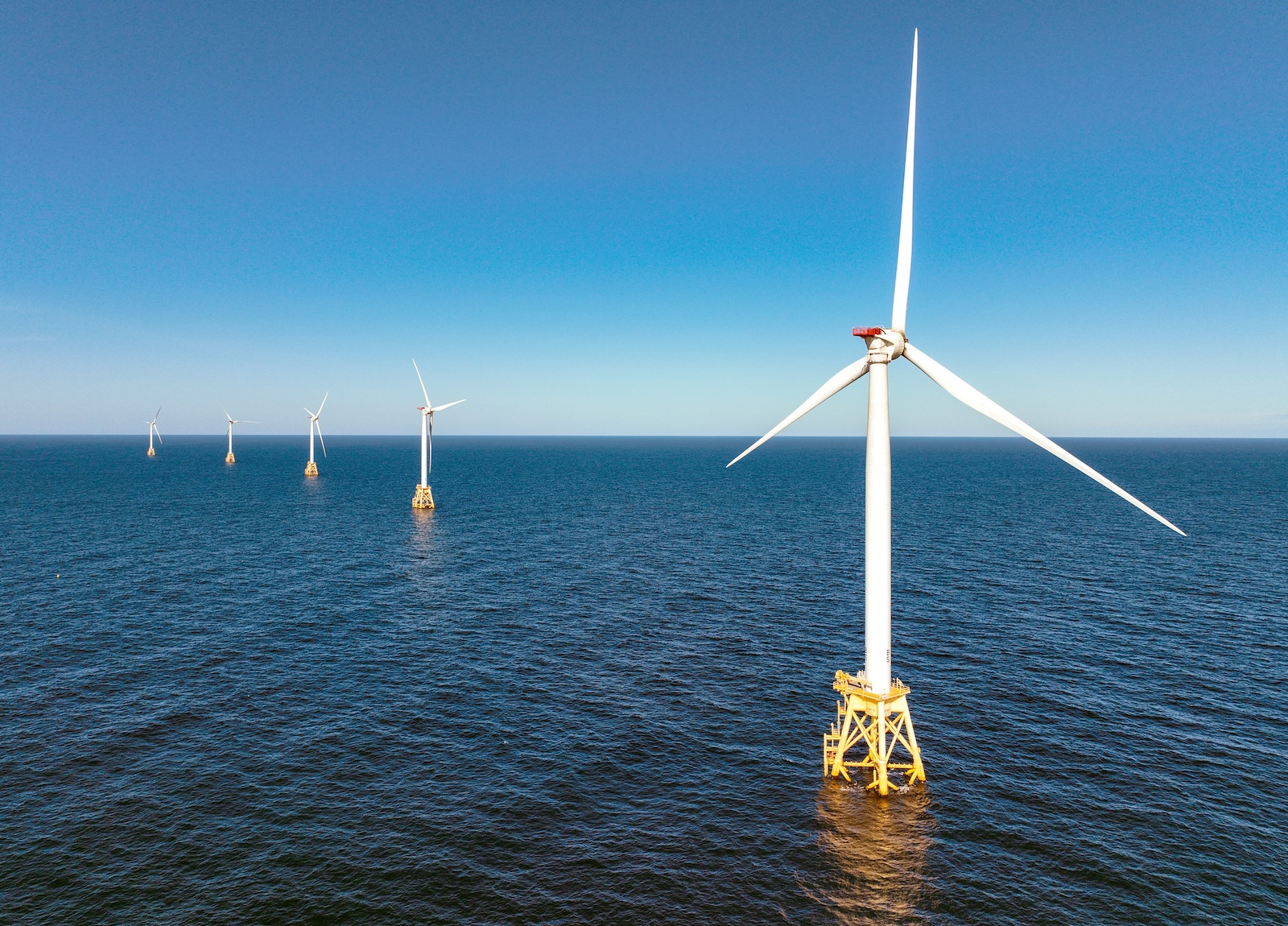
A recent study from Daymark Energy Advisors found that if contracted wind projects off the coast of New England had been in operation last winter, ratepayers could have saved $400 million. “That additional cost is going to find its way into utility bills, there’s no question about that. If the goal is ultimately cheap and available electricity, this is not the way to get there,” Alexander Heil, a senior economist at the business think tank The Conference Board, told Grist.
President Donald Trump, however, has long loathed wind energy, recently calling it “so pathetic and so bad, so expensive to operate.” On his first day in office, he paused new leasing and permitting of wind energy on federal land. In September, the Bureau of Ocean Energy Management, or BOEM, issued a stop work order for Revolution Wind, one of the projects mentioned in today’s announcement. But the latest changes are the administration’s most aggressive volley yet.
“Trump’s obsession with killing offshore wind projects is unhinged, irrational, and unjustified,” said Senator Chuck Schumer, Democrat of New York, in a statement. He said New York would “keep fighting” the administration’s stop-work orders on Empire and other offshore wind projects. Jenny Slayton, a spokesperson for Dominion Energy, which is developing the Coastal Virginia Offshore Wind Project, told the New York Times in a statement that “we stand ready to do what is necessary to get these vital electrons flowing as quickly as possible.”
A message from
Your support keeps our climate news free.
Grist is the only award-winning newsroom focused on exploring equitable solutions to climate change. It’s vital reporting made entirely possible by loyal readers like you.
At Grist, we don’t believe in paywalls. Instead, we rely on our readers to pitch in what they can so that we can continue bringing you our solution-based climate news. Donate today to keep our site free.