The summer we love is slipping away
From the Southwest to the Jersey shore, climate change is altering the traditions and norms that have defined summer for generations.
There was a time when summer felt easy to recognize. In childhood, summer was a time of freedom and adventure. Even into adulthood, it is a time many of us feel most free to enjoy each other and the natural world — from lazy afternoons at the beach to camping trips and swimming holes, from family cookouts and neighborhood block parties to the simple pleasure of biting into peaches and tomatoes so ripe the juice runs down your wrist. It’s when our time of dreaming through the cold comes to fruition. The time when the vegetables and fruits we planted in the spring are harvested, the time when we finally spend our precious accrued vacation time and hard-earned cash, when we treat our children to the best of what life has to offer.
But summer is changing. Over the past half-century, annual hot-season temperatures in parts of the United States have warmed by as much as 4 or 5 degrees Fahrenheit, driving heat waves, droughts, and downpours. This past July was the hottest month ever recorded for the contiguous U.S., according to the National Oceanic and Atmospheric Administration. We are witnessing the slow erosion of our old summer normal. As climate change makes the season more extreme, our habits, traditions, and pastimes are also evolving, in ways both subtle and truly seismic.
The swarm of flickering fireflies at dusk in Georgia, the cool afternoon monsoon rains in Arizona, and the mild mountain summers in the Rockies — none of these are as reliable as they once were. As the planet warms, our relationships with the places we love are evolving, and the summer we once knew is becoming harder to find. Here are some of the changes Grist staff have witnessed in the places they love most.
Southwest
Arizona
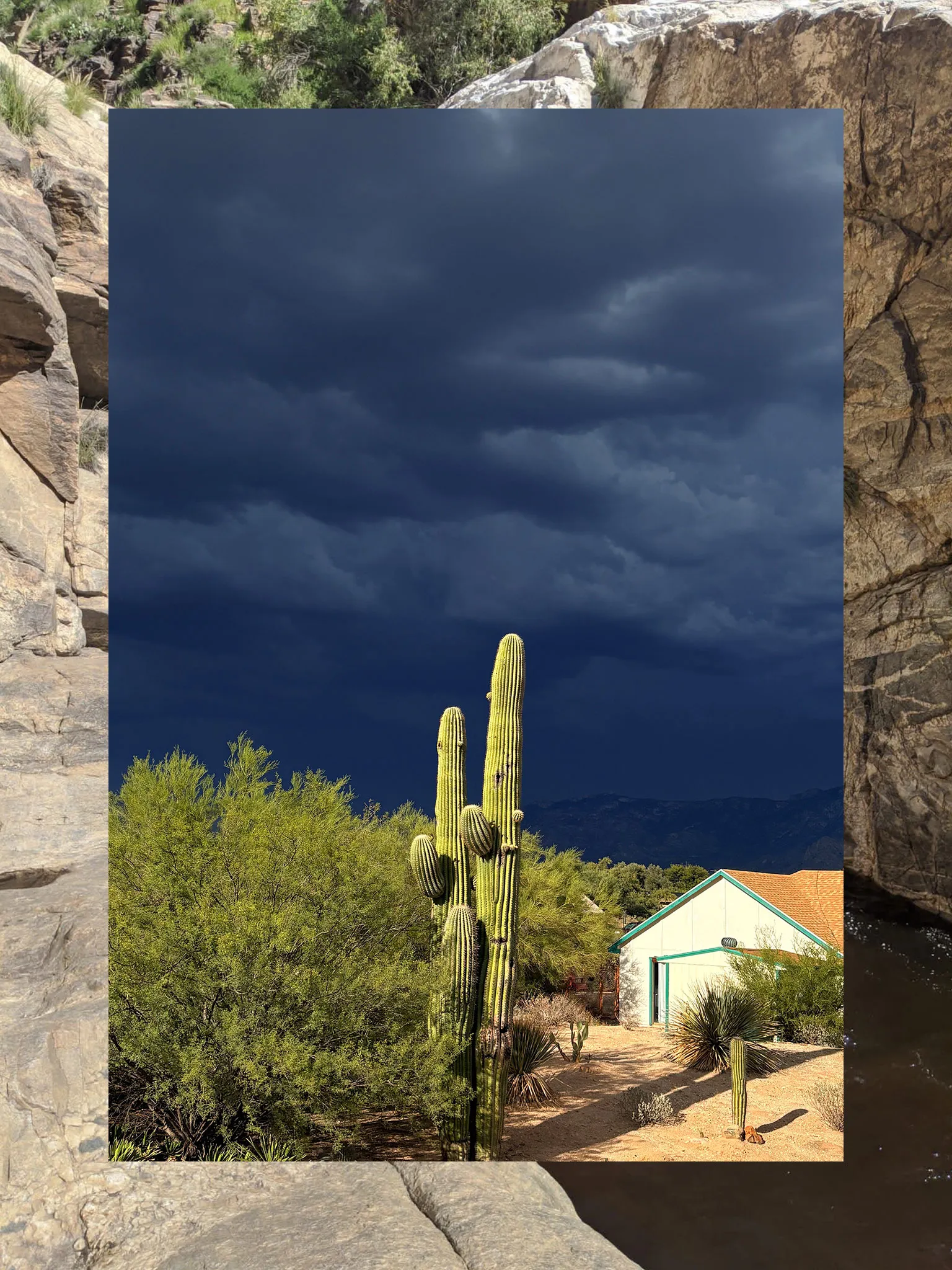
In the Sonoran Desert, rain is a cause for celebration — especially the summer monsoons.
On stormy days, you’ll often see massive curtains of rain in the distance, and rainbows arching against pitch-black clouds in one direction as the sun beams brightly in the other. When a downpour starts, I run to tell my husband and usually head outside to the patio to watch. When it rains as infrequently as it does here in Arizona, it’s easy to revel in the sight of raindrops and inhale the heady scent of petrichor and the herby smell of creosote. I’ll often text my friends or family across town to see if it’s raining there, too, since the storms here are incredibly localized. In other places, the weather may be a source of small talk; in the desert, it is a legitimate conversation topic.
If it rains a decent amount, I’ll go to a state or national park in search of running water, natural pools, or waterfalls. When there’s a lot of water in those ephemeral streams and pools, I’ll often encounter families with chairs and coolers, and see kids playing in the water like they’re at the beach. When I recently went out of town and my area got a huge downpour, I felt a pang of grief to have missed it.
Summer storms weren’t always such a novelty, though.
In Tucson, annual precipitation has declined by nearly 3 inches since 1970, according to the research nonprofit Climate Central. That’s a lot considering the average annual rainfall is roughly 11 inches. Most of it comes in the summer.
People who have lived here for more than a decade all say the same thing: The monsoon has become more erratic and unpredictable, which sometimes means less rain than normal. During the summer months, the monsoon used to arrive like clockwork nearly every afternoon. Now, it often feels like a happy surprise, and people often post photos and videos of the storms in local social media groups. Even in the five years I’ve been in Arizona, each year has been different: One year, the monsoon brought so much rain that it carved temporary rivers in our nearby state park and flooded the entry road; another year, the rains barely reached our house.
But it’s not just less predictable precipitation; we’re getting more days of triple-digit temperatures, too. On those rainless, oppressive days, all one can do is stare longingly at the empty sky from the safety of air-conditioning.
— Rachel Glickhouse, director of partnerships
Texas
I live in New York City, but I grew up in Texas and Mexico, so I brag a lot about being from a warm place. When my peers threaten to wither like grapes on the vine as temperatures reach 88 degrees Fahrenheit, I like to say, Keep it coming. Dry heat, wet heat, I like it best when it’s 90 degrees or higher. I wait all year for the summer heat: I feel most myself with the sun on my bare arms and legs, or when I am reapplying sunscreen (do NOT sleep on sunscreen) and powerful bug spray to said bare arms and legs. These are smells I’ve grown deeply fond of, because they signal that something good could happen any moment now. That was how I felt about summer, at least, until this year.
For me, trips back home to visit family in El Paso usually involve playing basketball with my brother, swimming in my parents’ backyard pool, counting down the days until my relatives come over for a night of grilling, and telling stories outside late into the night. This year, there was none of that. Even though summers in El Paso are hot (did you get that already?), and in that arid desert climate, triple-digit days are not uncommon, this year’s heat was particularly unrelenting. So far this summer, there have been 45 days where the temperature has been 100 degrees or higher — or roughly half of each month.
This uptick of very hot days — which this year is expected to last into September — has been driven by climate change. Global warming pushes summer temperatures up, making heat waves in West Texas both more frequent and more intense. On top of the heat, poor air quality disrupted my El Paso summer plans. Dust is an ordinary part of living in the desert, but pollution from vehicle emissions, along with contamination from a local petroleum refinery around the time of my visit, exacerbated the poor air quality. Not wanting to admit the pesky air quality bothered my throat, I ventured into the backyard during my August visit to spend the afternoon with a good book. When my parents asked what I was doing, I remained steadfast: I was going to enjoy being outside! But despite my initial determination, I couldn’t hack it and soon retreated inside. The whole experiment only lasted about 10 minutes.
I am not much of a hiker, but it is sad to think of how my advice for friends visiting El Paso has changed over the years. The city is home to stunning mountains and ancient caves that are perfect for hiking, and I always recommend them to out-of-towners. But now I caveat that recommendation with statements like, “It’s beautiful, just stay safe! Go early to beat the sun! Bring lots of water!”
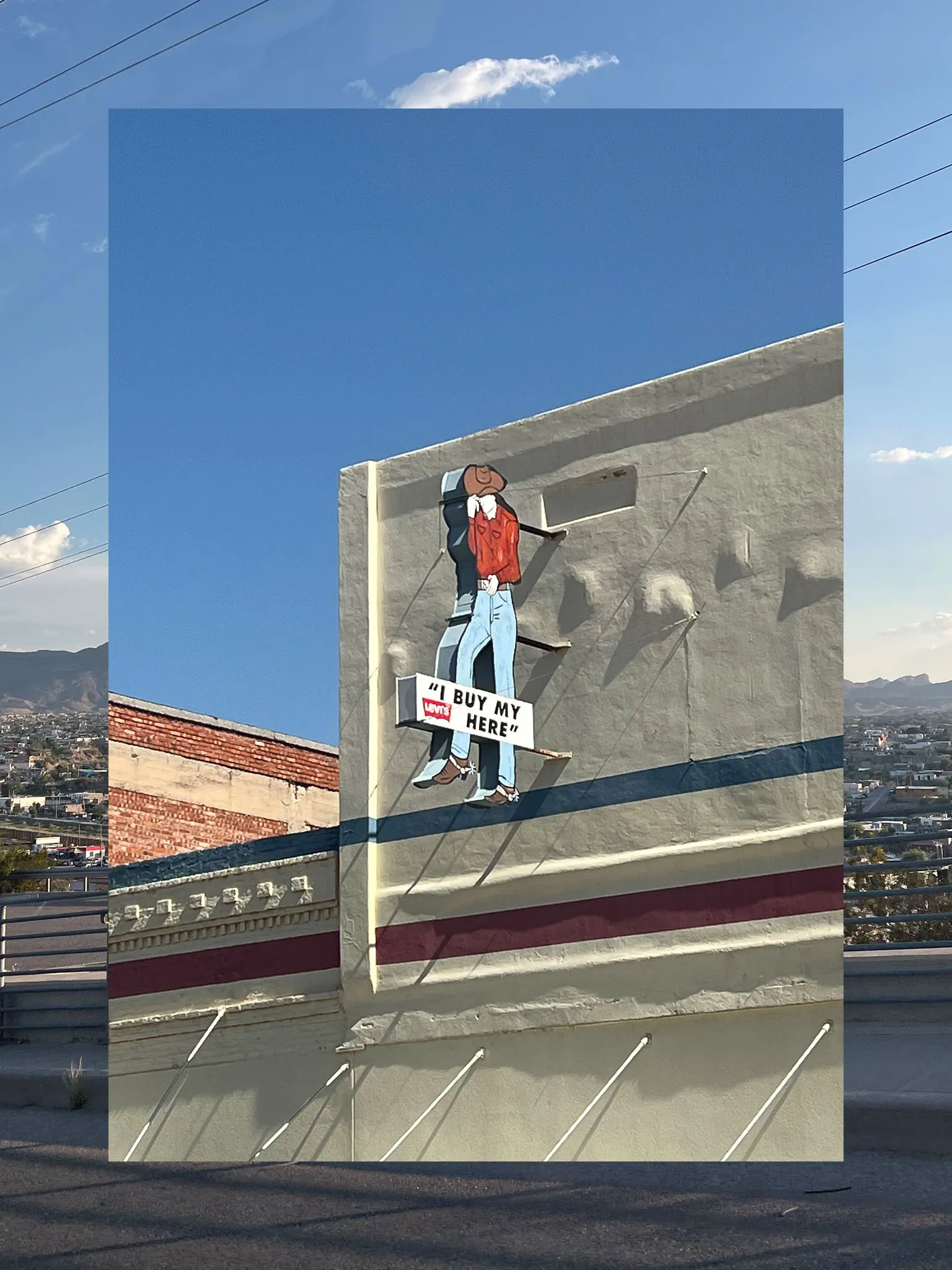
The city I call home is being remade in other ways, too. When my brother and I recently visited downtown, usually a bustling strip of shops, restaurants, and bars, I noticed much less foot traffic than usual — a sign he chalked up to increased fears of apprehensions by immigration officials. El Paso is an international city, bordered by the Franklin Mountains to the north and the U.S.-Mexico border to the south. One of the main strips downtown leads right to a port of entry to Ciudad Juarez, but it was mostly empty that day. A key feature of the city, its binational culture, seems at risk of being dampened by both extreme weather and a national mass deportation agenda, making people practice extreme caution in their day-to-day lives. We spotted very few other people on our walk, mostly office workers heading to or from lunch — as I saw them, I too longed for air-conditioning.
— Frida Garza, staff writer
The Rockies
Colorado
Every summer, thousands of Texans make an uphill journey to the Rockies, drawn by the mild mountain weather. Though you won’t find them in any botany books, Lone Star state license plates seem to bloom like an alpine wildflower from June to August.
Many Coloradans complain about the southerly visitors, but they also quietly acknowledge their importance to local economies. The high country’s biggest summer export is its cool, dry days; and Texans, along with fellow travelers from other sweaty states, are willing to pay big for it.
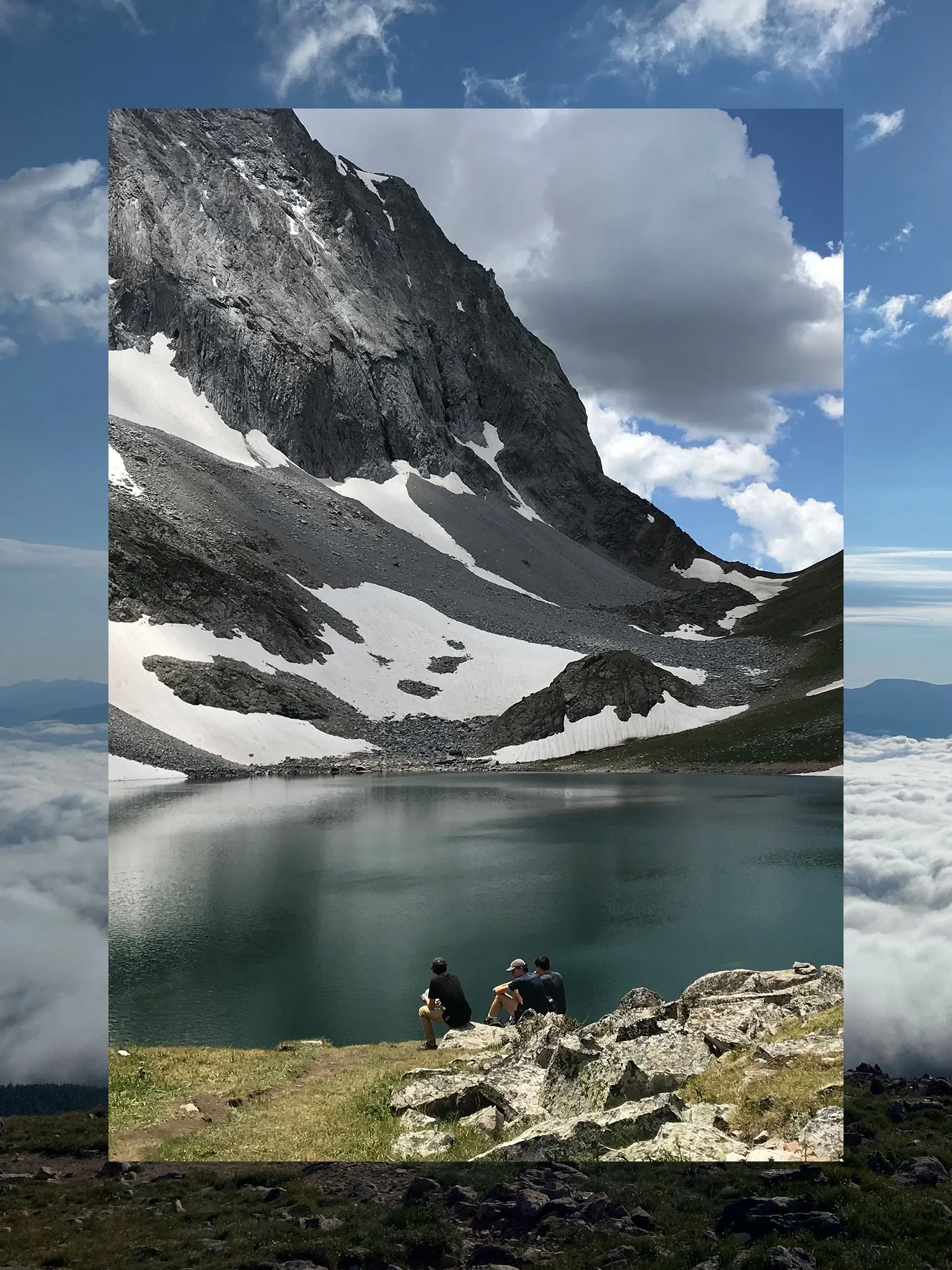
But drought, wildfire, and heat have whittled down the luxuries of high-mountain summers. Weather stations above 9,000 feet are recording near-90-degree days at an unprecedented rate. The peaks regularly lose their white winter veils earlier, and then shed their ragged definition entirely as oceans of wildfire smoke obscure the mountain air. Swimming in creeks and rivers often really means squatting on uneven stones beneath the water’s sinking surface. When the rivers are full to brimming, it usually means a federally managed reservoir has released emergency flows to quench the fields of desperate downstream farmers. Servers in mountain resort restaurants overhear harrumphing from tables of Texans: “And to think, we came here to get away from the heat!”
As temperatures climb, one would expect tourist numbers to fall. But even as Colorado saw its second hottest July on record in 2026, resort lodging occupancy at mountain towns is up from the previous summer. Perhaps even a hot, smoky alpine summer is still preferable to an infernal Texas one. Shrunken streams are still full of squatting bathers, and baking streets are still full of lily-white Texas license plates. The trend has left mountain summers feeling less blissful, and more crowded, than ever.
— Austin Corona, energy reporter
Montana
In Montana, there are several peak events that define summer. For some with seasonal depression, it may be the solstice when we hit almost 16 hours of daylight. For anglers and tourists eager to enjoy blue ribbon trout streams, it’s the salmonfly hatch: Bugs the length of your finger swarm the skies as the trout feast indiscriminately on insects — and their foam replicas at the end of a fishing line.
And just as the bugs seem to know how to emerge into the world during the right time of the summer, so too do the tubers. As the days grow longer and warmer, flotillas of inner tubes dot the surface of any moving river, along with hordes of paddleboards, inflatable rafts, and even the occasional blow-up shark. It’s a phenomenon known by many as the tube hatch.
But climate change means Montana is warming quickly. Snowpack averages have declined steadily since the 1980s, and snowmelt is happening earlier than ever before. That means rivers run lower, and levels start dropping well before peak floating season — sometimes, before the heat even fully hits. With more summer days over 90 degrees than ever before, traffic on the river is increasing as larger crowds seek a way to cool off while still enjoying the outdoors. Tubers, anglers, and wildlife reliant upon shady shorelines are competing for space across an ever smaller stretch of river.
Montana isn’t a place that’s always been hot, which means when the heat hits, we’re a lot less prepared for it. We have one of the lowest average number of homes with air-conditioning out of any state in the country. Rivers and lakes can be one of the only effective ways to cool off when the mercury rises.
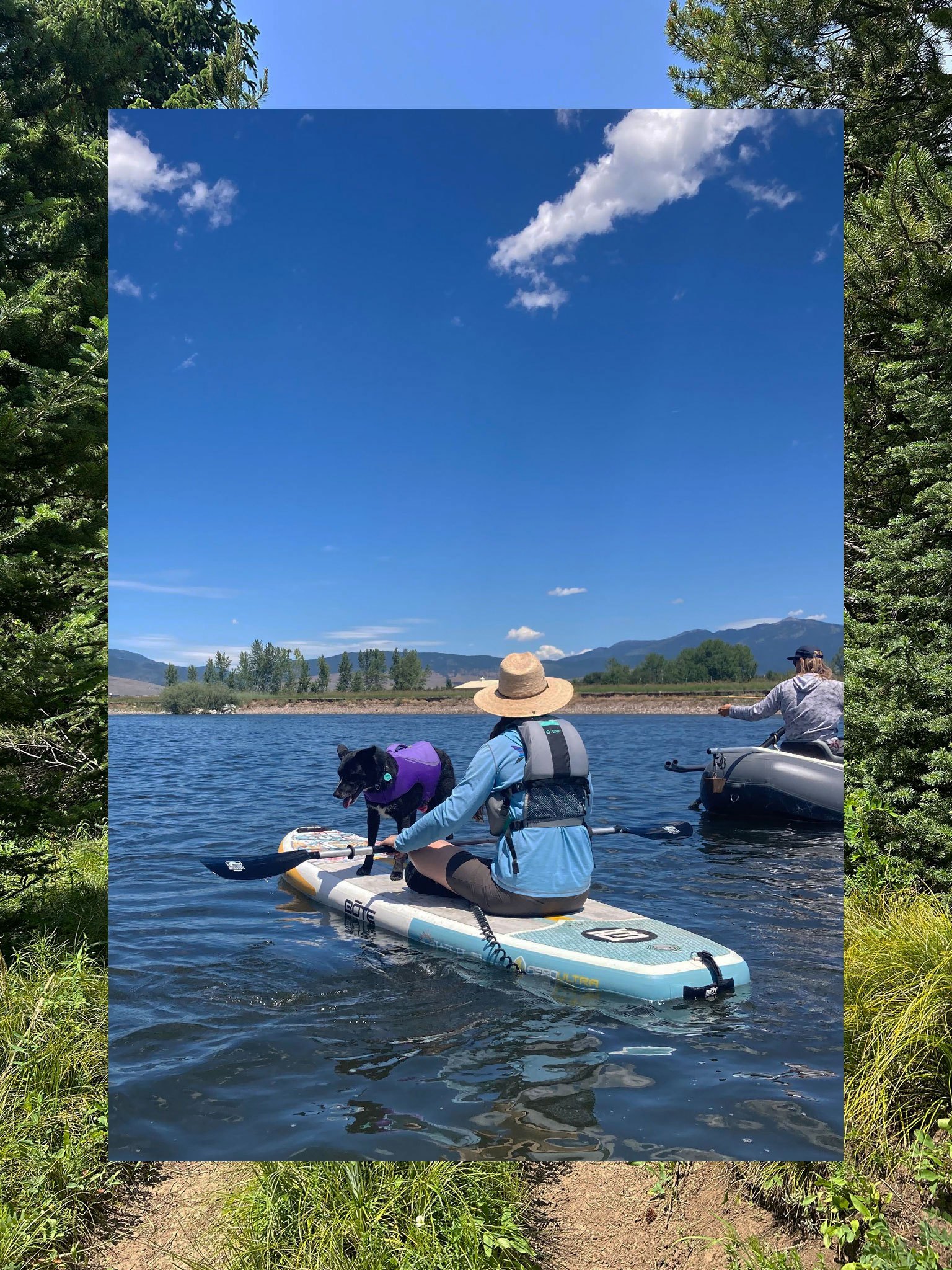
That can make for a much less pleasant floating experience. Take this year, when for my birthday in mid-July I decided on a river float. My friends and I loaded up the cooler with ice and beer, blew up tubes ’til it felt like our cheeks would pop, and buckled my dog Zayda into her purple life jacket. We clipped our tubes together with an elaborate rigging of paracord and carabiners, while Zayda and I opted to ride on a paddleboard.
The first few minutes as the cold water washed over us were a relief, until we rounded the corner to find possibly every other resident of Missoula County floating along, too. I let my pup jump off the boat and swim ashore, her favorite activity. But when it was time to hop back on before the next wave train, she couldn’t figure out which flotilla was ours. I watched in horror as my timid, anxious rescue dog panic-swam between clusters of floaters and for the first time wondered if there really was enough river for us all.
— Ellis Juhlin, regional reporter, Montana
The West Coast
California
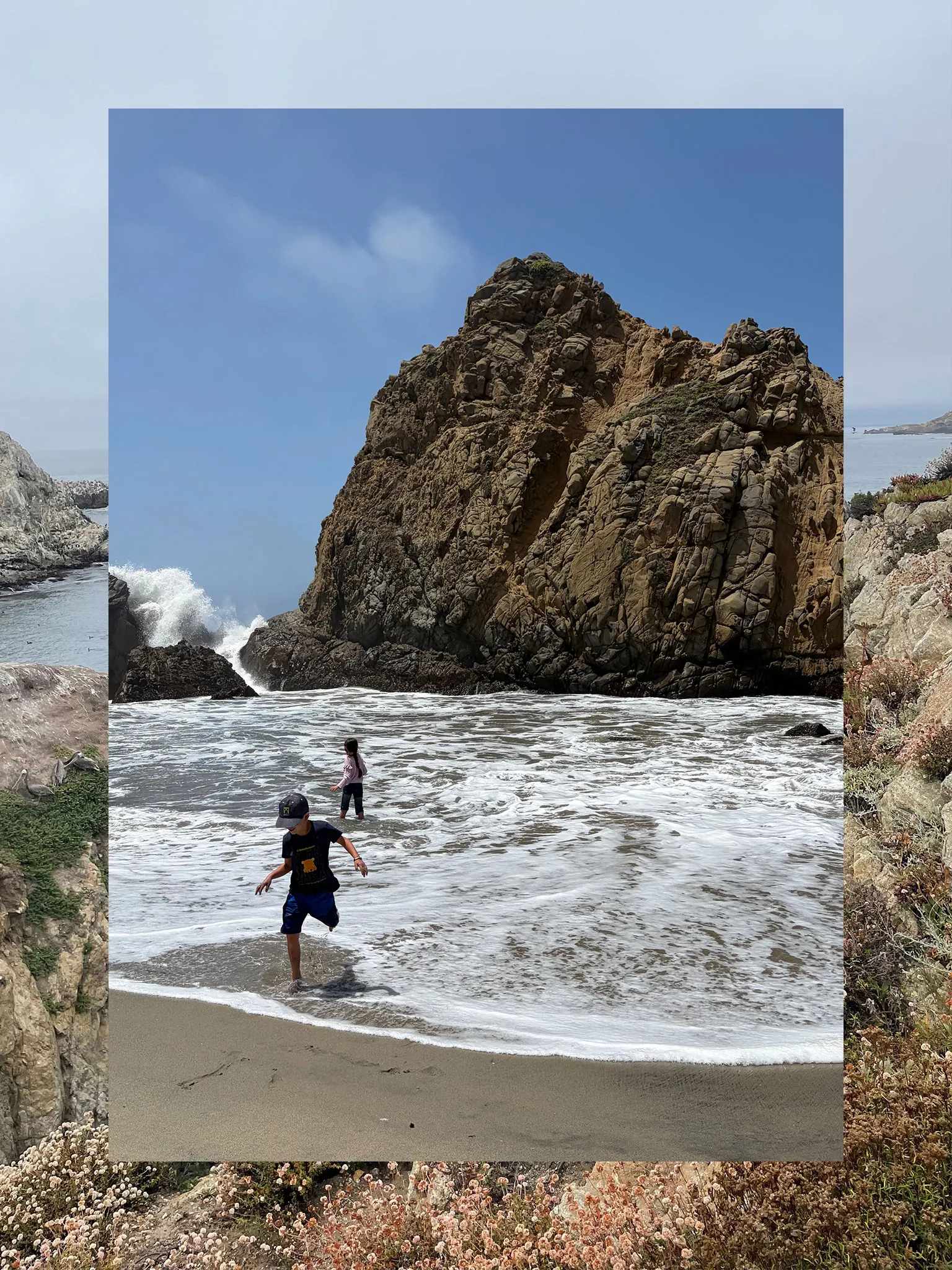
California is big — a region unto itself, one might say — and summer can mean a lot of things to those lucky enough to call it home. In sun-baked SoCal, it might be playing in suburban sprinklers during the day and heading to the beach for sunset. Inland, there are county fairs and harvest festivals (don’t miss out on Gilroy’s garlic ice cream). Along the Central Coast, Highway 1 beckons road trippers with panoramic views of gnarled Monterey cypress and thrashing ocean waves. Farther north, summer is the upside-down of seasons, where cool temperatures can prompt locals to don parkas and unprepared tourists scramble for overpriced “I left my heart in San Francisco” sweatshirts.
But climate change is altering many of these quintessential experiences. Where I live in the Bay Area, cool (nay, cold) summers are part of our DNA. Mark Twain may not actually have said that the coldest winter he ever spent was a summer in San Francisco, but that doesn’t make it feel any less true. The combination of cold ocean and hot inland creates an enhanced marine layer, or as many here like to call it: Karl the Fog. Yes, our fog is so iconic, he has a name and a social media following.
But climate change is making Karl less predictable due to factors like warming ocean temperatures. One study found that coastal California’s summertime fog hours declined by 33 percent over the last century. That’s bad news for both locals and coastal redwood trees, which rely on fog as a critical source of water. Even though I grew up in sun-loving Southern California — where summer mornings were so warm that I would often eat my breakfast while lying on a towel in my parents’ backyard — I’ve become attached to the cold and moody mornings here. There’s something so peaceful about watching the mist roll in over the hills with a steaming hot cup of coffee in hand.
Across the state, hotter, drier conditions are increasing wildfire risk. Emergency go-packs now live in closets alongside beach bags, and road trippers need to check for route closures and evacuation orders. While most of California is not currently in a drought, water shortages are expected to worsen over time, which in the past has led local regulators to restrict lawn watering and pool use. For kids on break from school (and harried parents trying to keep them engaged), those conditions can mean sprinklers and splash time often have to give way to screens. That’s a real loss, especially considering that the gorgeous California outdoors is how many of us justify living in such an expensive state.
— Teresa Chin, executive editor of data & design
Pacific Northwest
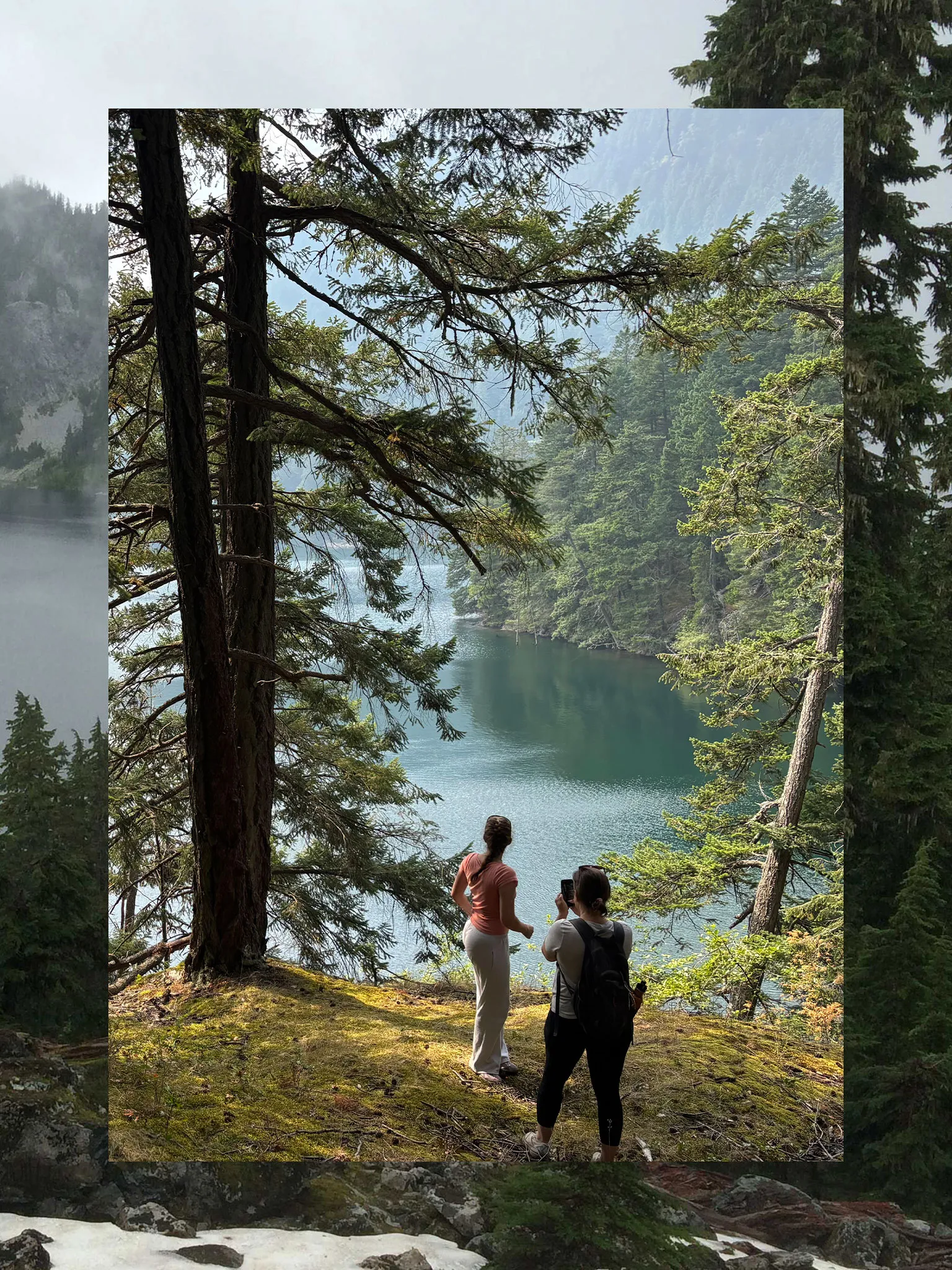
According to an old adage, summer in the Pacific Northwest doesn’t actually start until after the 4th of July. The cool, temperate month before is instead known as “Juneuary.” Growing up, I remember donning a specific summer outfit suited to the weather: a light hoodie or fleece on top (for the typical 50-degree mornings) and shorts on the bottom (for the afternoons in the high 60s or low 70s). Few people had air-conditioning, because a breeze from open windows and fans were more than enough to stay comfortable.
But in the last decade, these idyllic summer days have become rare. Today, Northwest summers are hotter, and the heat starts earlier in the year. This was best exemplified by the infamous heat dome in June 2021, when temperatures in Seattle reached a record-breaking 108 degrees Fahrenheit — roughly 38 degrees hotter than the typical Juneuary highs. According to an attribution study of that event, climate change made the heat dome 150 times more likely compared to preindustrial conditions.
Climate change is also reducing snowpack across the Pacific Northwest, and the dry, hot conditions have turned the region into a potential tinderbox. Wildfire smoke has become a regular feature of our summers. Checking the air quality index, or AQI, in August has become as routine as checking the weather, and many locals factor smoke levels into their summer activity plans.
The combination of heat and smoke has made it harder to stay cool the old-fashioned way, with open windows and fans alone. During long periods of smoke, windows might stay shut all week, causing homes to heat up like greenhouses. As a result, Northwesterners are increasingly installing air-conditioning — so much so that Seattle recently lost its rank as the nation’s least air-conditioned big city.
After enduring months of gray drizzle — known locally as the “big dark” — the promise of an extremely pleasant summer day always felt like the ultimate payoff. While extreme heat and smoke pollution are alarming and dangerous on their own, for many Northwesterners, losing our beloved summer weather is an additional sting.
— Jesse Nichols, senior visual producer
Midwest
Illinois
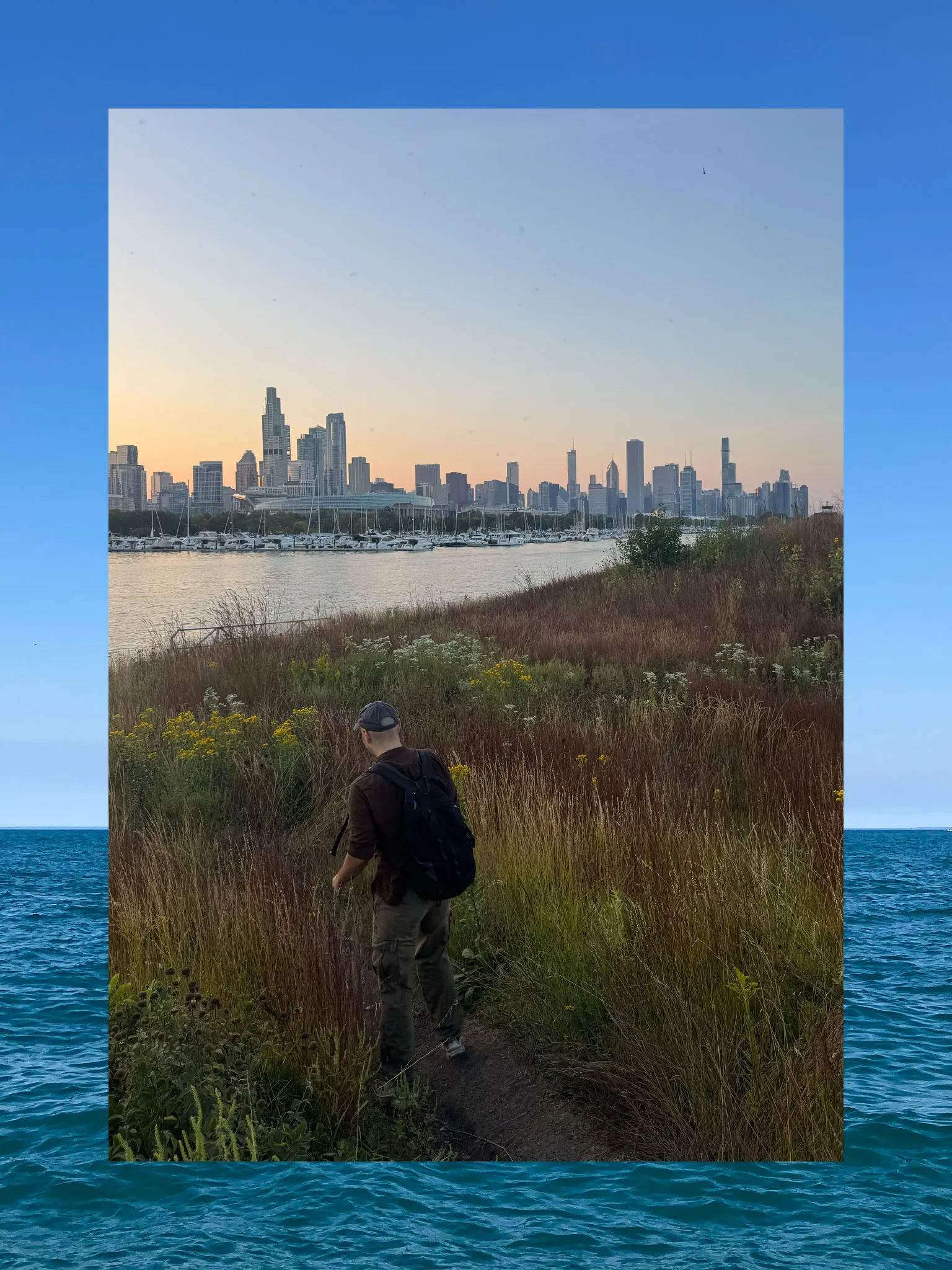
When I first moved to Chicago about a decade ago, it was in the middle of a still-warm September. My timing was terrible, I was told. I’d missed it — the completely singular experience of a Chicago summer. The golden season, they explained, is a hard-earned reward for a city under siege by long, bitter winters. The parties are outrageous, the beer cheap, and the big, blue lake free.
At the time, I thought they were laying it on thick. But now I can attest to its truth. It’s hard to say exactly what makes a Chicago summer special — and why people here are convinced we have the best version of the season. My sense is that everyone who lives here knows you need to make it count: to be outside, to swim in the lake, to eat ice cream and hotdogs too, to stay up late, to dance, to kiss strangers, to go to the farmers market, to see your friends, to move in with your boyfriend, to wash away the failures and sorrows of the last year and start all over again. Whatever you want, Chicago summers can deliver.
A lot of people talk like that around here; it’s a kind of boosterism that runs against my own sensibilities and can make us look desperate on the internet. But come to the Windy City in the summer, and you might find yourself drinking the same Malört-laced Kool-Aid. (Don’t actually mix those.) I don’t know if we’re all collectively redirecting 15 one-sided rivalries with other major American cities, but our summer really is something else.
Which is why it was such a disappointment when this summer played out differently. For one, it was wetter than usual; the city’s emergency 11-billion-gallon reservoir and tunnel system very nearly hit capacity. Canadian wildfire smoke pushed local air quality readings to the unhealthiest levels the city has ever seen. More than 200 tornadoes made landfall in Illinois this year, a record-breaking figure for the state that’s very close to topping the national record. The same powerful winds also caused a terrible power outage in Gary, Indiana, just south of Chicago, where tens of thousands of people were without power for over two weeks.
A less smoky, less humid, less rainy, less tornado-y do-over would be nice. But that’s not in the cards. Summer temperatures in Chicago are projected to keep climbing and are forecasted to coincide with increased variability between heavy rain and drought.
The meteorologists tell us summer is technically over, but I’m wondering how much longer our summer will actually last.
— Juanpablo Ramirez-Franco, regional reporter, Illinois
Southeast
Tennessee
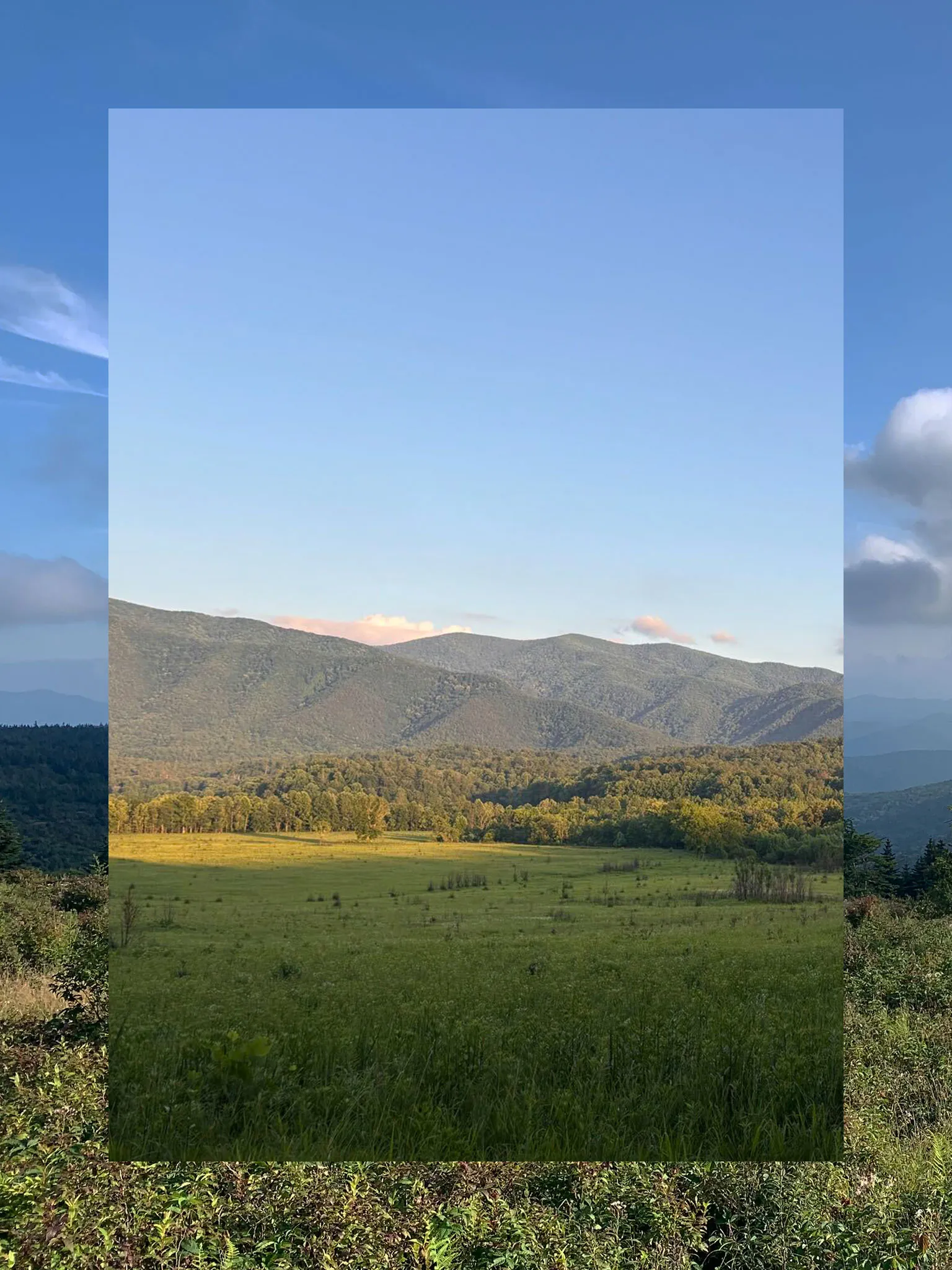
Small farms and lush backyard gardens are a way of life in the Mountain South. The growing season is long. But farmers and gardeners are faced with difficult decisions as the region’s humid summer extremes have grown more chaotic and intense.
This was a lesson that really hit home for me the last time I tried farmwork: a brutally hot summer day in 2020 in East Tennessee. I was working in a hundred-plus-degree greenhouse, up to my neck in spiny tomato plants as I strung them up and suckered them, itching, head pounding, blinded with sweat. Later, in the field, as I planted a bed of onions, the landscape seemed to undulate in front of me, and I dashed off to a nearby tree and vomited discreetly behind it. It wasn’t the first time this had happened.
As I drove home, I thought, the $8 an hour just isn’t worth it.
In 2023, the U.S. Department of Agriculture updated its plant-hardiness zones, which guide gardeners and farmers based on the annual lowest temperature in their location. Much of the mid-South moved half a zone up — from 7a to 7b, or 7b to 8a — toward the humid subtropics. The USDA cautioned against understanding it as directly linked to climate change but acknowledged that the zones for most plants will shift northward as the planet warms. That’s in addition to the cyclical temperature swings gardeners deal with year to year.
Increasingly ferocious summer storms and flash flooding, interspersed with more extreme flash droughts, have also made growing food even more tenuous. Kelsey, a friend of mine who works as a flower farmer in nearby southeastern Kentucky, told me she had to switch to what she called an Andalusian daily schedule, getting up early and breaking for most of midday, sometimes only returning to the field with a headlamp after dusk. When the financial margins are thin, little costs like replanting, fungicides, and even electrolyte drinks add up.
Even more than the heat, the uncertainty wears on people. Aside from the financial unpredictability, farmers and gardeners are also feeling the loss of tradition and ritual, like the old-timer’s practice of planting by moon phases and zodiac signs.
As the planet warms, many are focusing on the cool periods of seasonal transition, investing in plants that return annually, experimenting with tropical varieties like amaranth and malabar spinach, or trying to grow crops in the shade to keep them from withering. Kelsey is pinning her hope in seed saving, the ancient art of paying close attention to the plants that seem to survive most easily and preserving their genetics, in hopes of creating hardier varieties that can withstand the summers to come.
— Katie Myers, regional reporter, Appalachia
Kentucky
Going outside on a Kentucky summer day has always felt a bit like stepping into a rainforest. And if you live in mountainous eastern Kentucky, you actually are — the southern Appalachians are a lush temperate rainforest. It’s hot and sticky and beautiful. There are a thousand shades of green. The migratory tanagers and perulas chatter all day; the cicadas scream all night. Deep yellow goldenrod, coral honeysuckle, and purple coneflowers bloom.
But the temperature and humidity are becoming unbearable: Multiple times a summer over the last three years, Kentucky has had prolonged extreme heat waves with heat index values up to 108 degrees, resulting in air quality alerts and heat advisories. These extreme temperatures usually break with huge thunderstorms that bring heavy rain and violent wind and sometimes lead to tornadoes and flash floods.
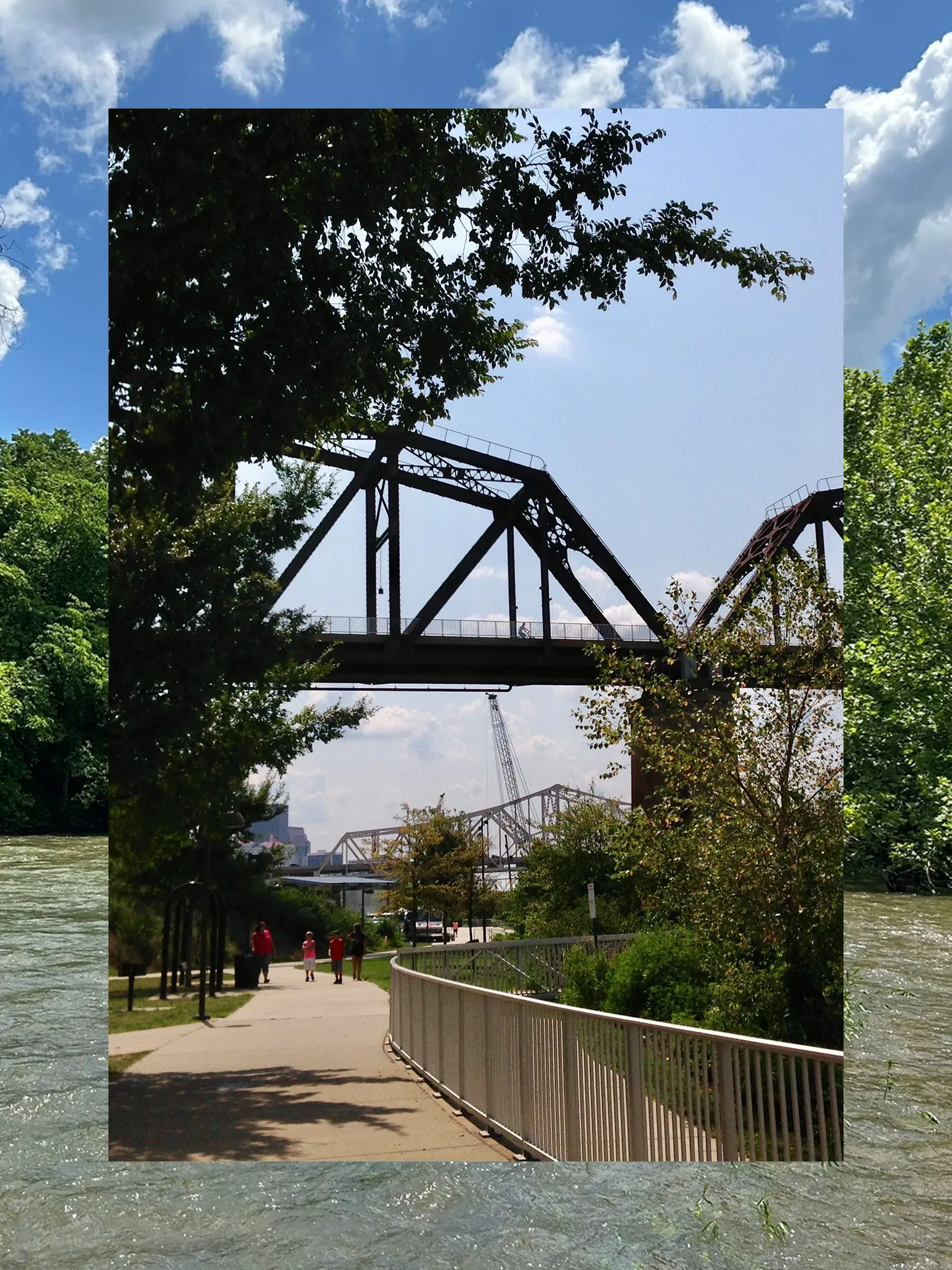
Evenings aren’t the respite from the heat they once were. Last year, for instance, Waterfront Wednesday, Louisville’s free evening summer concert series, fell on heat advisory days two months in a row. It was still 94 degrees when a band took the stage at 7 p.m. (the crowd was large, regardless).
Kentucky’s summer average temperatures have risen by 2 degrees Fahrenheit since 1970. Louisville has seen temperatures rise by over 4 degrees; according to a 2016 study, the city had one of the fastest-growing urban heat islands in the country, and new research shows the problem has grown in the years since. Louisville is working on efforts to address the urban heat, but for the most part, event hours, amenities, and locations remain unchanged. As parents of young children, my friends and I find ourselves skipping out or cutting our day short unless there’s a water source — a playground splash pad, a pool, a decently clean creek — to cool off the kids in.
In any city in the state in the summer, you’ll find festivals, church picnics, county fairs, and flea markets. But most are still taking place in the middle of the day, often on hot concrete, without fans or mist or free water or enough cooling centers. Of course, the bourbon is still flowing — but even with ice, it doesn’t go down quite as smoothly in 100-degree weather.
— Lyndsey Gilpin, senior manager of community engagement
Georgia
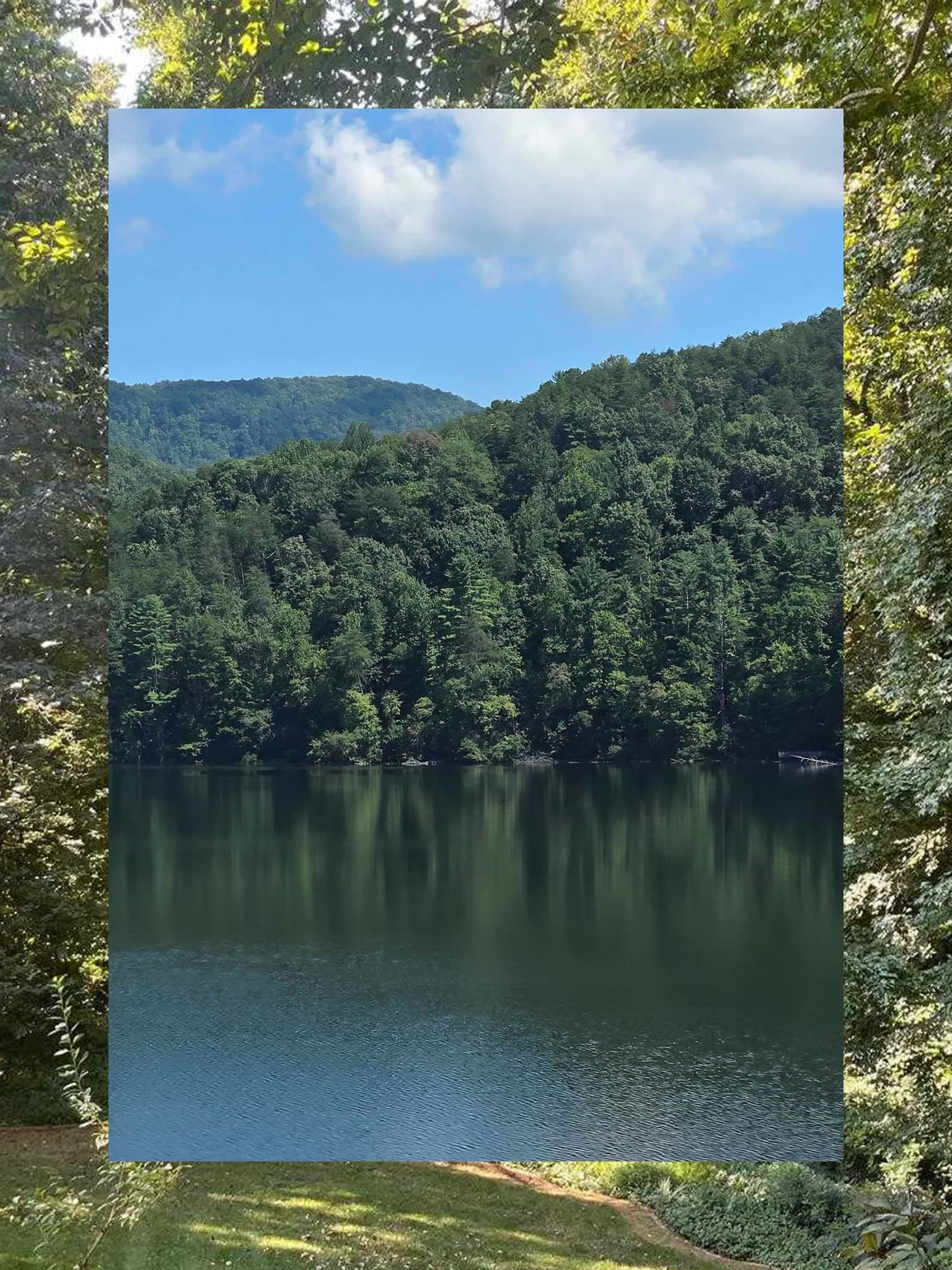
Summers have always been hot in Georgia. There’s the dread of getting in your car and burning yourself on the seats while smelling the acrid fumes from the pleather melting. The slick feeling of perpetual moisture on your skin as the humidity surrounds you most days. And there’s the knowledge that, when the sun is at its peak, you should only be outside for the minute it takes to go from your air-conditioned car to the air-conditioned building.
Having been raised in metro Atlanta, it’s something I grew up planning life around, like scheduling outings on days when the heat was tolerable or making plans after sunset. My favorite pastime during the season used to be sitting outside at twilight: the sky a burst of bright colors, the heat receded to the edge of pleasant, and the humidity just enough to feel a little cool moisture on your skin like dew. In those peaceful moments just before it got dark, I would quietly watch the fireflies create a magical scene in my parents’ yard. Now? The conditions of a Georgia summer just feel more intense.
For one thing, the heat from the day doesn’t drop as much as it used to at night. From June through July this year, the minimum temperature in Georgia was 2.5 degrees Fahrenheit above the average from 1901 to 2000.
If I’m not tired of the heat and can tolerate the humidity, I still have to prepare to be eaten alive. Rising nighttime temperatures can “enhance mosquito growth” during the summer, according to the University of Georgia. So I don’t go outside at dusk as often as I did growing up.
Things have also changed inside the house. In the summertime, my dad and brother often argue over the thermostat. My brother wants cooler temperatures so he can sleep better, and my dad worries about the rising electric bills, an issue that other Georgians are also grappling with. My parents’ late-1960s house, while beautiful, is energy-inefficient. The old attic fan that used to keep us pretty cool years ago kept breaking down, and we no longer use it. While we’ve debated upgrades, the costs are still high. So the inter-generational thermostat war continues.
These days when I visit Georgia, I still try to venture outside at dusk to see my favorite lightning bugs. And while I may see a few, I’m all too aware that they face growing threats from light pollution, pesticides, development, and yard management, which can impact larvae. Without them, summer in Georgia feels just a little less magical.
— Anila Yoganathan, regional reporter, Nebraska
Florida
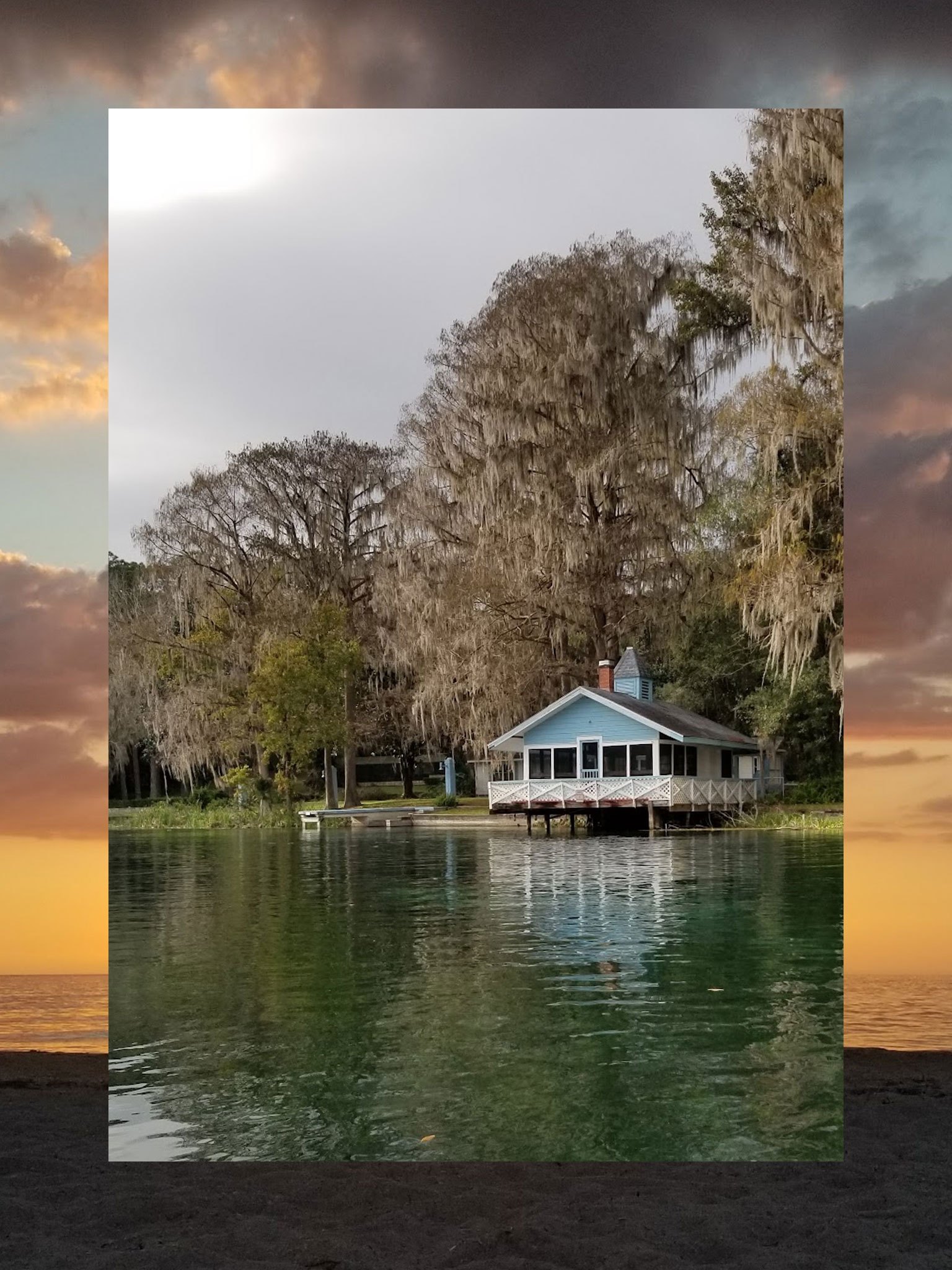
The pleasures of a summer in Florida were once simple: the sensation of hot concrete pushing through the soles of your recently air-conditioned feet. A cold gas station Slurpee in one hand and a bag of boiled peanuts in the other. The steam from an afternoon rainstorm, rising from the sun-baked roads. A frozen custard from Rita’s Italian Ice truck by the beach, where you spent the afternoon collecting sand dollars and bouncing in waves with your family.
But Florida’s subtropical climate, low elevation, and exposure to warm ocean waters on three sides leave it with little buffer against the changing climate. Scores of tourists are now passing out amid 100-degree heat at Disney World. In many neighborhoods, sidewalks become hot plates after 10 a.m., scalding dogs’ paws into pink blisters. It may not rain at all, for weeks at a time. And when it does, scientists say it’s raining harder. You can feel it — gripping your steering wheel during a sudden deluge that whiteouts the road and floods sidewalks. At night, the air is muggy and laden with mosquitoes while, somehow, still unbearably hot.
So if your family is like mine, you might hop in the car and head to the beach in the hopes of trading the pavement for sand, and reconnecting with the magic of summer.
But if that beach is near Miami or the Florida Keys, you might find yourself facing thousands of tons of sargassum, brown seaweed that can clog shorelines and prevent sea turtles from nesting. In recent years, the kelp has been growing relentlessly thanks to the right conditions: bathwater-like ocean temperatures and shifting climate patterns that boost ocean nutrients. The result is a rotting mass that releases hydrogen sulfide as it decomposes, making beachgoers’ eyes and lungs burn with noxious fumes.
Or if you drive toward Tampa, you might encounter a monthslong surge of red tide, shorthand for toxic algae blooms, also caused by warm waters and similar nutrient patterns. From Sarasota to Clearwater, locals know to stay away when piles of dead fish (and sometimes manatees, dolphins, or sea turtles) litter the beaches. In smaller beach towns like Sanibel and Cedar Key, rising sea levels and hurricane damage have crumpled the economy and closed the vintage shops I once loved to peruse. Whether your refuge is cooled by AC or whirring ceiling fans, summer in the Sunshine State has increasingly become a time to stay indoors.
— Sachi Mulkey, reporter
Northeast
New Hampshire
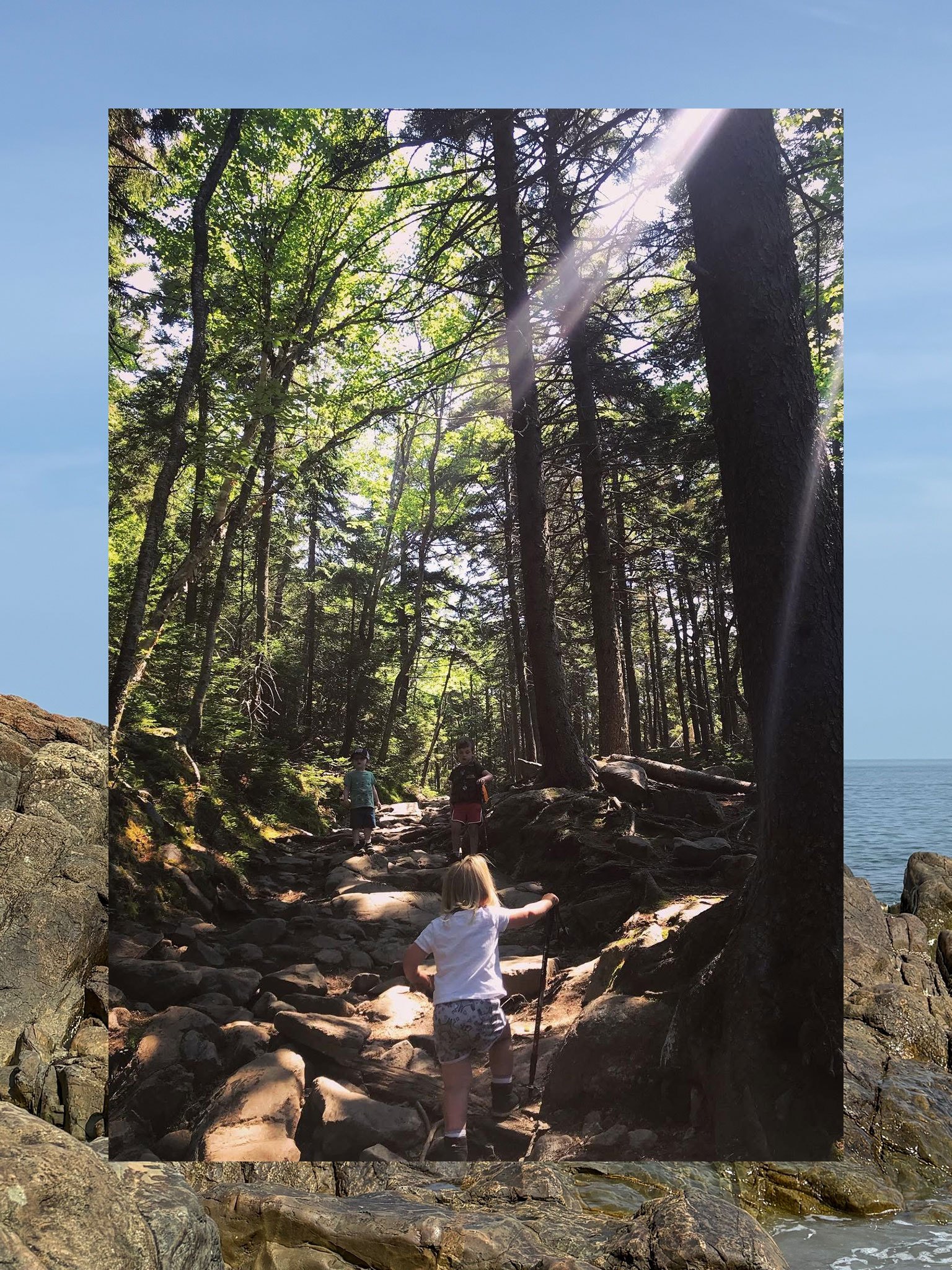
After harsh winter temperatures and muddy spring months, summer in New England feels like a well-earned prize. The peaks and lakes of the Appalachian Mountain range, rocky coastlines, and cool waters of the Atlantic Ocean are a venerable playground after months of being largely stuck inside. There’s hiking and boating, lobster rolls and ice cream, and blueberry fields ripe for picking. We New Englanders don’t let a single moment during the precious months between Memorial Day and Labor Day go to waste.
But a warming planet has changed the conditions in which we are engaging in these activities. The region is heating up faster than any other place in the contiguous United States. The weather whiplashes between intense rain and flash droughts. And then there are the ticks. So. Many. Ticks.
Growing up in the 1980s and ‘90s, these blood-sucking insects were not a thing I worried much about. Their populations were isolated to small patches of coastal regions and stands of long grass. My friends and I played outside all day before crawling into our beds when the streetlights came on. Parents didn’t conduct nightly tick checks or spray their yards with pesticides. People didn’t keep tick-removal devices on their keychains or lint rollers in their cars to swipe down bodies after being in the woods. They didn’t capture embedded ticks in clear tape, waiting to submit them to a doctor if a bull’s-eye rash appeared at the bite site.
Now, I do all these things. The ticks are everywhere. My son was just a year old when I found his first one on him, embedded in his upper thigh. We were at a lake where I spent my summers, and where I had never once gotten bitten growing up.
New Englanders still cherish their summers — our iconic stubbornness ensures that never goes away — but these months are a little less carefree, and the woods and lakes and coastlines a little less safe.
— Katherine Bagley, editor-in-chief
New York
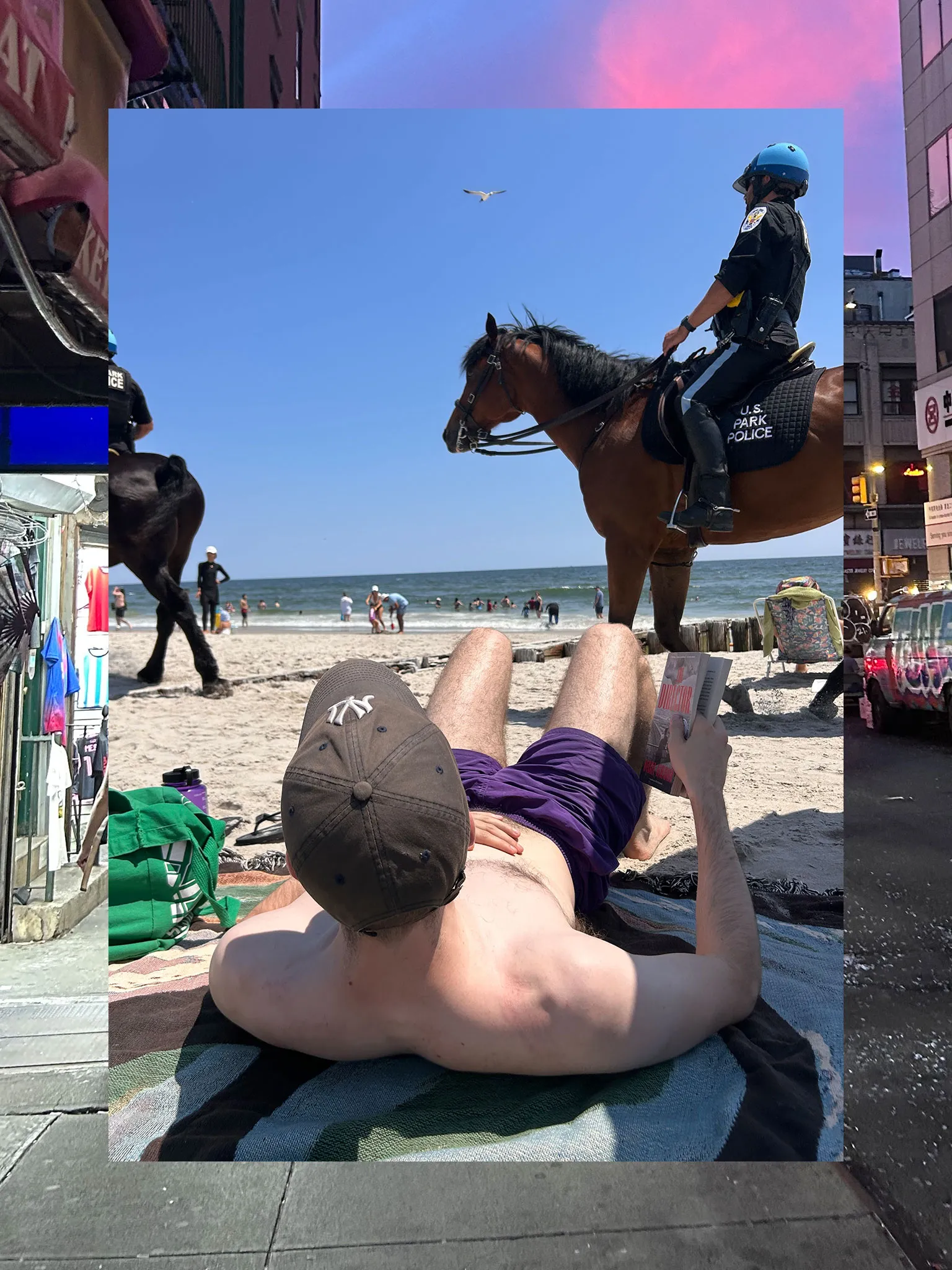
I’ve always thought of New York City as a summer town. There are a lot of people who disagree with me, as evidenced by the clogged outbound highways heading upstate and out to the Hamptons, but to me the best times to live here are when you can stroll a hot street with a Mister Softee cone and take the subway out to Rockaway Beach. The city has been getting hotter and muggier for some time now. The panel of scientists who ran the National Climate Assessment reclassified the city in 2020 from “humid continental” to “humid subtropical,” meaning it now has more in common with the lowlands of the Southeast than it does with the crisp pine forests of New England.
I’m originally from Florida, so humidity and sudden afternoon thunderstorms don’t bother me. What does get to me, and the millions of other New Yorkers, is the smoke. This past summer, a curtain of smoke from wildfires in Ontario blanketed the city for days, elevating the air quality index so high that it was unsafe to step outside. I made the mistake of trying to attend a party in Lower Manhattan on what should have been a sultry Thursday night and found myself returning home through empty streets with a headache. I had planned to go to the beach the next day and the day following, but I canceled my plans. (A few weeks later, when I tried to go to the beach again, my friend Chris and I got caught in an apocalyptic thunderstorm.)
This year was nowhere near as bad as the smoke drift from Canada in 2023, which blocked out the sun and raised air quality to levels exceeding that of polluted cities like Mumbai, causing a jump in emergency room asthma visits. That time I went days without stepping outside, until I got a cold from prolonged exposure to my window AC unit. When I did go outside, I had to wear an N95 mask, as did the construction workers and delivery bikers who were still laboring for hours at a time in air that was toxic enough to make one faint. In both cases, scientists have found that climate change made the wildfires in Canada at least twice as likely.
Most of the Midwest and Northeast experienced at least some smoke this summer, but it felt acute in New York, where the line between inside and outside is always a little blurry in the summer. Most New Yorkers have at least one window air-conditioning unit, but around 1 in 5 residents of the poorest neighborhoods don’t. Even in homes that do have window units, they don’t cool down whole apartments, and many people leave other windows open to air out other rooms and save on power bills. When we leave the house, most of us can’t get anywhere without walking for 10 or 20 minutes to the subway. The whole premise of life here is freedom, the freedom to go wherever you want, to go nonstop day and night. In two different summers now, I’ve seen the impossible — climate change brought the city that never sleeps to a standstill.
— Jake Bittle, staff writer
New Jersey
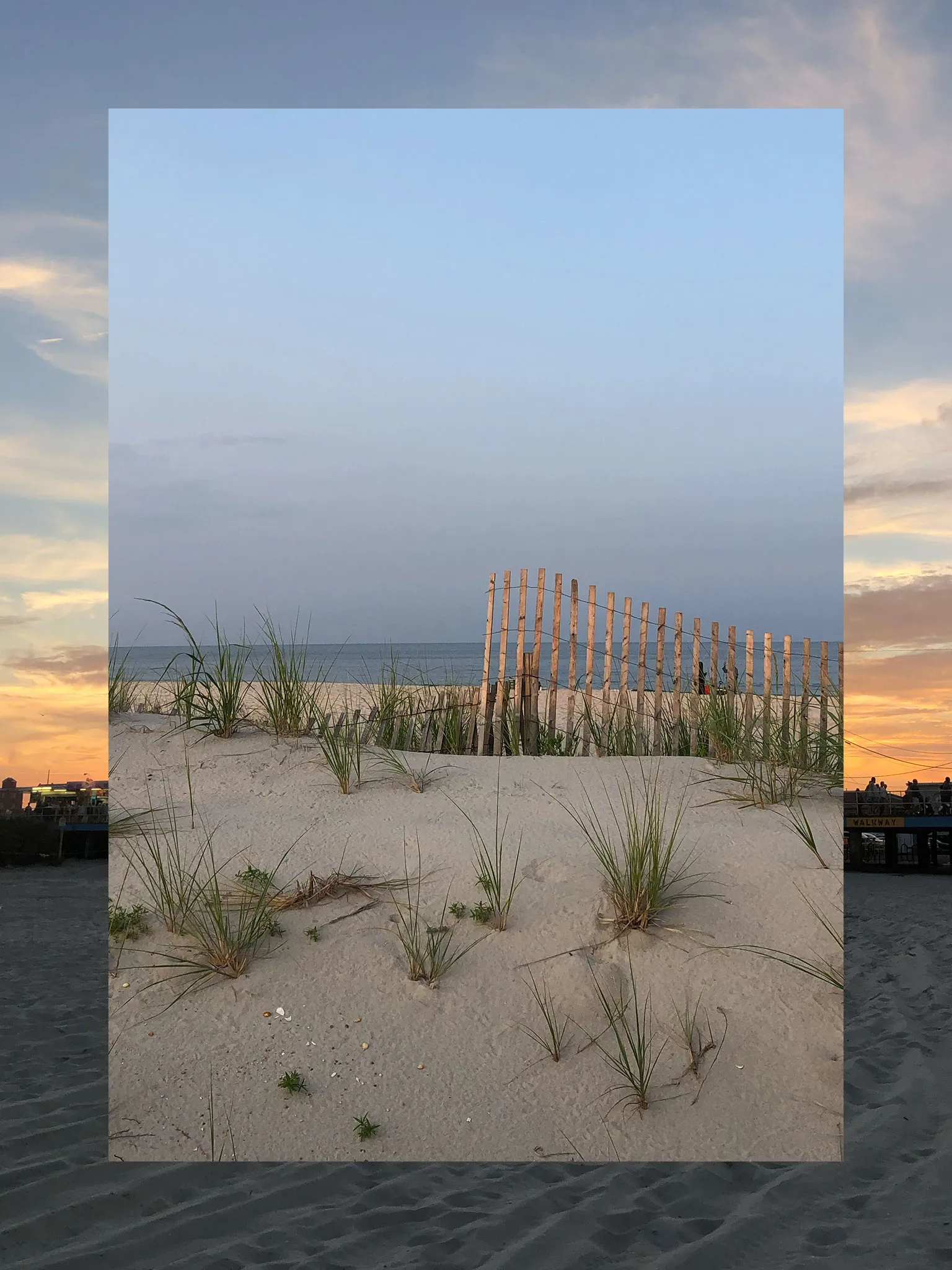
The Jersey Shore is famous for a reason. It’s the quintessential summer destination for New Jersey and its neighboring states. The long series of barrier islands shielding the mainland boasts wide, white-sand beaches that have attracted summer visitors since the 18th century. Easy access from the nearby population centers of Philadelphia, North Jersey, and New York has guaranteed hordes of tourists enjoying the beaches and boardwalks from Memorial Day weekend through Labor Day for more than a century.
But for the people who actually live here, the day after Labor Day is the best of summer.
As if the atmosphere can read the calendar, the weather shifts from the brutal heat and humidity of August to the more temperate warmth of September. The ocean, cold enough to be uncomfortable throughout most of the summer, finally accumulates enough heat to be the perfect swimming temperature. Most of the crowds depart, leaving the usually-packed beaches open for those who live close enough to steal one more day of summer before the school year begins.
It’s a day for getting to the beach late because there’s no need to stake out territory, and staying until the sun sets because there’s no reason to leave. A day for long, lazy floats in the Atlantic, for finishing the last dregs of ice cream left in the freezer, for sneaking the dog onto the deserted beach even though dogs are technically still banned for a few more weeks.
At least it was. Now the warming air and water have made that crisp turn-of-the-page fuzzier. The warm September water is arriving sooner: In the third week of August this year, sea surface temperatures were already hitting the upper 70s, according to satellite data compiled by Rutgers. In the air, August’s dog days are bleeding into fall. Average temperatures from September through November in Atlantic City have already increased 3.4 degrees Fahrenheit since 1970, according to the research group Climate Central, with 14 more days of above-normal temperatures annually.
Or as my mom — a lifelong denizen of the shore — put it, “October is the new September.”
But October can’t be that first Tuesday in September, not with school in session and island businesses closed for the season. And the more summer temperatures bleed beyond their former season, the more that perfect, final, magic day of summer becomes just … another hot day at the beach.
— Emily Jones, regional reporter, Georgia