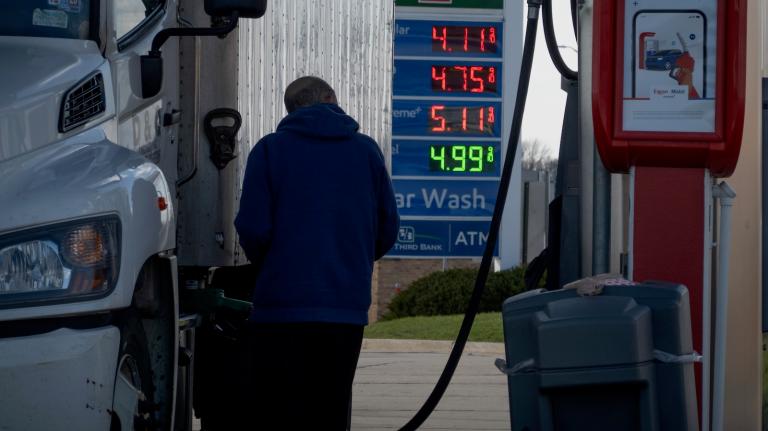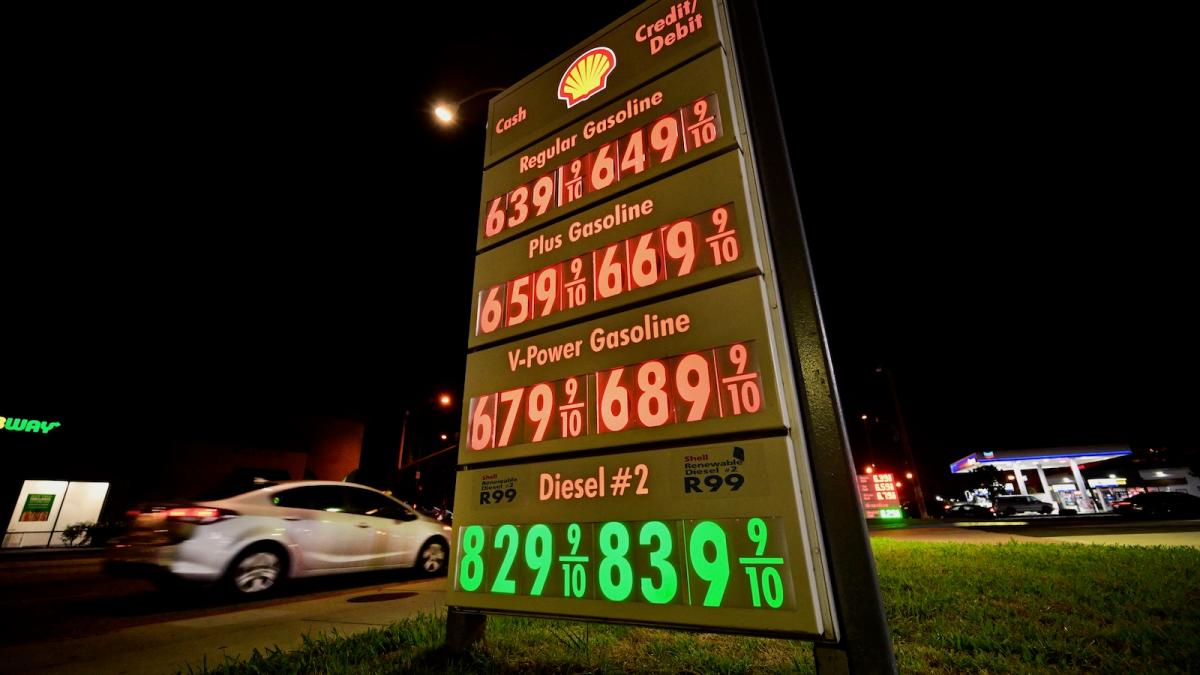
Diesel prices have hit a record high nearly every day this month, with a national average on Tuesday at $6.52 a gallon, according to AAA. That is driving a growing call to combat this climb by banning the export of the fuel, a move President Donald Trump endorsed today.
“I’ve said, Let’s not send out the diesel,” Trump said from the sidelines of the United Nations General Assembly in New York. As to a ban, “I’ve called for it. I’ve called for it within my people.”
Although relatively few Americans fill their cars with diesel, it’s a backbone of the U.S. economy. It powers the trucks, ships, and trains that move goods across the country, and it is used throughout the agricultural sector. That means everyone is feeling the effect of fuel prices that have climbed almost 80 percent since the United States and Israel launched a war against Iran earlier this year. They have risen almost $1 per gallon in September alone.
The... Read more