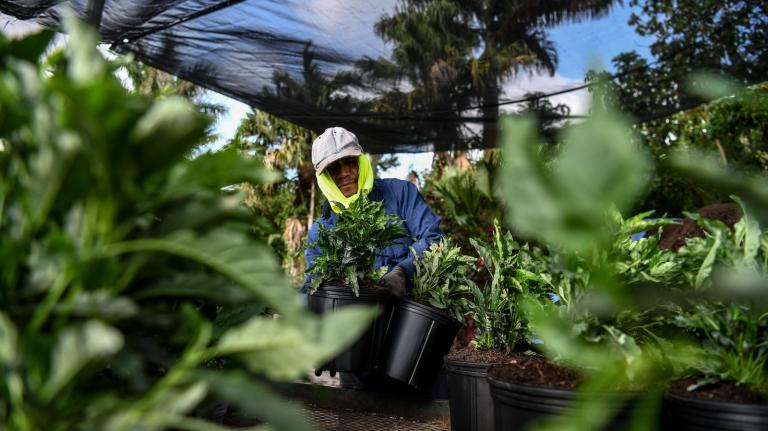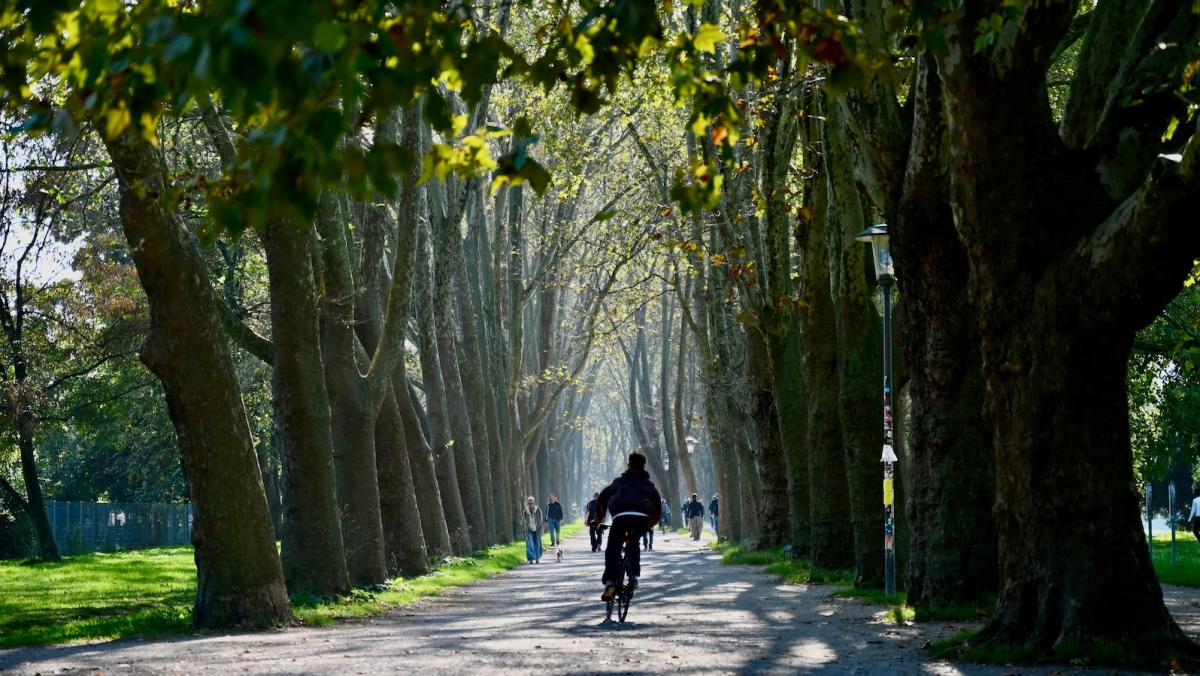
The next time you pass an urban tree, stop to appreciate what it’s been through. As a youngster, it was especially vulnerable to pests and diseases, not to mention vandalism. Now grown up, it must contend with ever-rising temperatures due to the heat island effect — the built environment’s tendency to soak up solar energy and slowly release it at night.
You might assume, then, that city trees are by default worse off than their rural counterparts. But new research suggests that urban vegetation is more resilient than you might think. Using satellite data from 2001 to 2022, researchers found that in more than three-quarters of 751 cities worldwide, plant life better coped with climate stresses like extreme heat than greenery in the surrounding countryside. In one-third of those municipalities, trees showed a “dual advantage,” losing less greenness from pressures in the first place, but also recovering faster from them.
That’s allowing metropolitan vegetation to do what it does best: reduce temperatures ... Read more