Climate Food and Agriculture
All Stories
-
![]()
![]()
Should I have accepted a government farm hand-out?
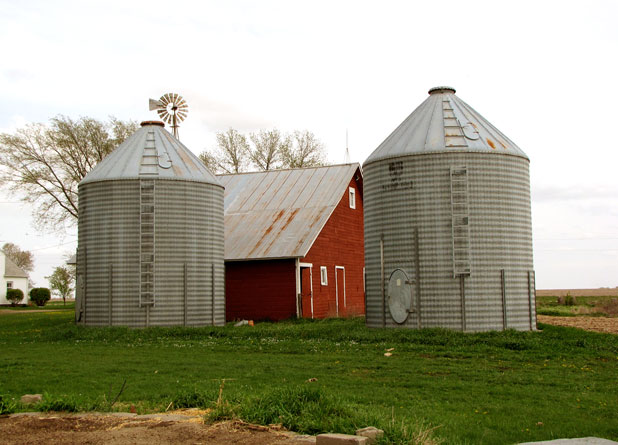
These granaries once stored this farm’s corn. No more. (Steph Larsen)Experience is the best teacher, but there’s been a big gap in my experience I couldn’t fill. I’ve worked in food and agriculture policy for a good number of years now, yet I had never once tried to apply for any of the programs for […]
-
Quarter water, man!: Eating cheap in the inner city [VIDEO]
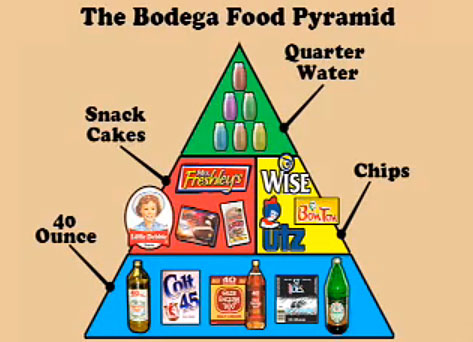
With an antic spirit and some NSFW language, Bronx denizens Dallas Penn and Rafi Kam document food culture in New York City’s “bodegas” — corner stores in which fresh food is scarce and pricy, but processed fare is plentiful and stunningly cheap. In some areas, bodegas are the only source of food. Penn and Kam […]
-
![]()
![]()
Oil spill threatens to smother Gulf Coast food cultures
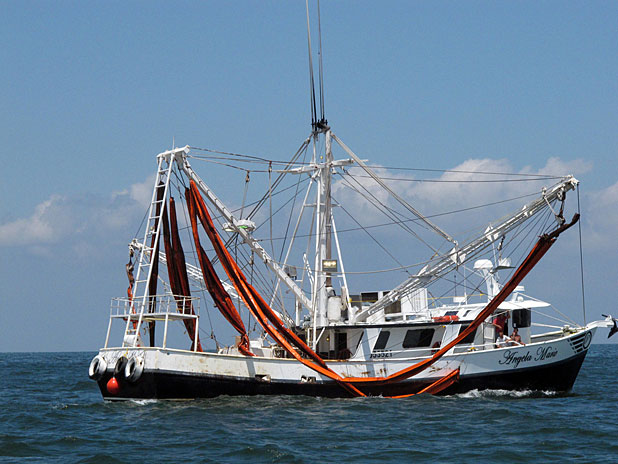
Normally this Louisiana boat would be trawling for shrimp, not oil(Photo courtesy Juanita Constible via Flickr) With more than 20 million gallons of oil already let loose in the Gulf of Mexico, fishermen, gator hunters and even farmers are waking up to the fact that the diversity of foods they depend upon for their livelihoods […]
-
![]()
![]()
How the agrichemical industry turns failure into market opportunity
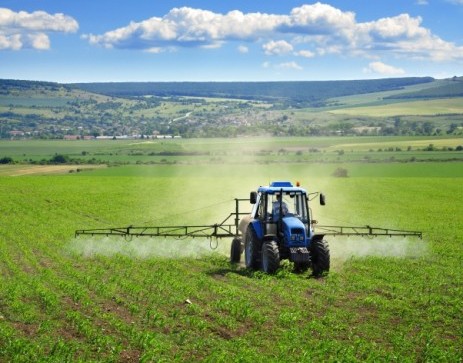
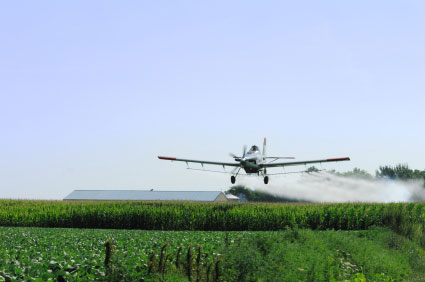
It’s always blue skies for the agrichemical industry Monsanto rolled out seeds genetically engineered to withstand its Roundup herbicide back in the mid-1990s. Today, Roundup Ready crops blanket U.S. farmland. According to USDA figures, 90 percent of soybeans and 60 percent of corn and cotton planted in the United States contain the Roundup-resistant gene. Back-of-the […]
-
![]()
![]()
Tell California lawmakers to say ‘no’ to cancer-causing fumigant
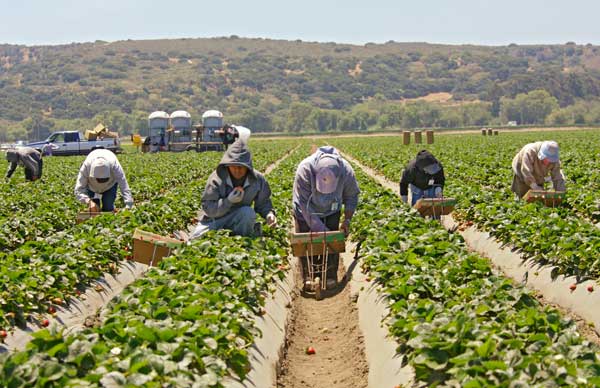
Farm workers harvest strawberries in California. Photo: Holgerhubbs, under a Creative Commons licence. To grow strawberries on an industrial scale, you’ve got to sterilize the soil ahead of planting with harsh chemical fumigants. For years, growers have relied on a highly toxic, ozone-destroying fumigant called methyl bromide. The stuff is so awful that it was […]
-
![]()
![]()
Denver busts urban farming’s yuppie stereotype
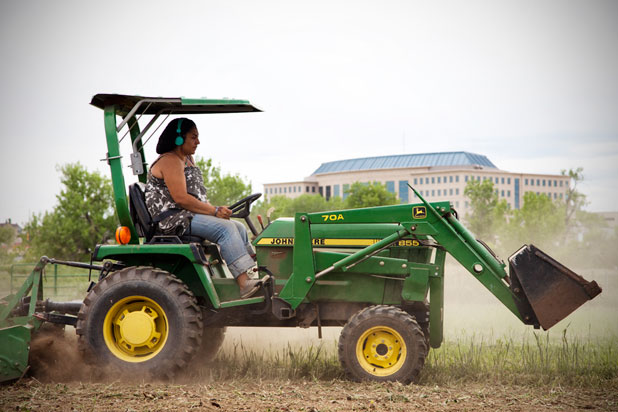
January 2011 update: Many of the photos have been removed from this series so they can be published in a Breaking Through Concrete book, forthcoming this year from UC Press. When we were still in Seattle, preparing for this project, a few friends asked if this was a tour of ‘yuppie urban farm projects.’ Isn’t […]
-
![]()
![]()
Hey, White House — how about ‘Eat Lunch with Your Kid Day’?
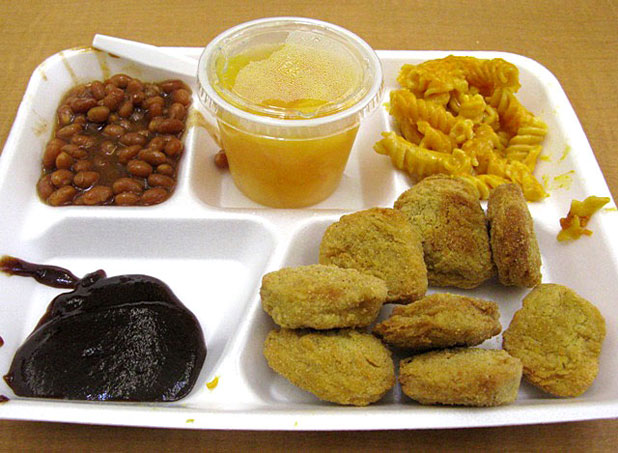
If Michelle Obama and Sam Kass were to eat this recent DC school meal, it would cause a sensation.(Ed Bruske) The one thing never mentioned at all these White House events around childhood obesity is the food kids are actually eating at school every day. Let’s see, we’ve had loads of kids to the White House […]
-
![]()
![]()
Fun with herbicides!
“The herbicide business used to be good before Roundup nearly wiped it out. Now it is getting fun again.”— Dan Dyer, an executive at agrichemical/GMO seed giant Syngenta, on the rise of “superweeds” engendered by the broad use of Monsanto’s “Roundup Ready” GMO crops.
-
![]()
![]()
Urban farms don’t make money — so what?
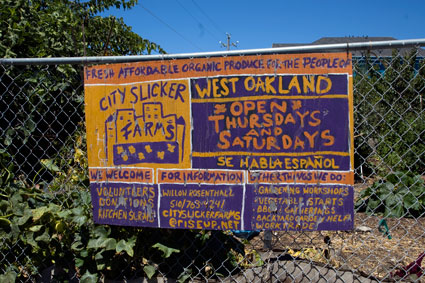
City Slicker Farms in West Oakland does more than just grow food for the local residents.(Bonnie Powell photo)Over on Earth Island Journal, Sena Christian has an excellent, rigorously reported article about the tough economics of urban farming. She focuses on some of the more famous city farms of the Bay Area, where EIJ is based […]
-
![]()
![]()
Being prepared — to grow your own meat
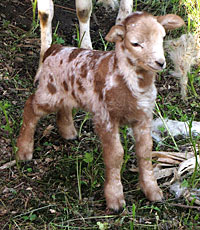
(Steph Larsen photos)Everyone knows the Boy Scouts’ motto: Be Prepared. While my immediate inclination is to ask “For what?”, it’s as good a command as any to live by. One at which I failed miserably last week. I came home from work and went out to the sheep paddocks to make sure they looked healthy […]