Jonathan MoreauIt’s not that innocent.
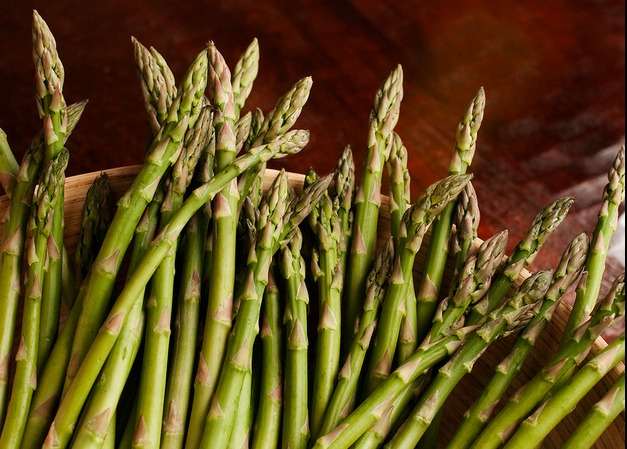
This video, brought to you by the American Chemical Society, explains why some people get smelly pee after eating asparagus and some people don’t. (The plot thickens: Not everyone can SMELL asparagus-pee, either!) In the words of biochemist and author Shirley Corriher, “It is NOT the pee-er. It is the smellee!” Watch:
So our genetics (and specifically, certain nose-enzymes) are to blame, not poor old asparagus. The Daily Californian explains further:
Asparagus contains a high concentration of a sulfur-containing compound called asparagusic acid, named for the vegetable, of course, which can also be found in other pungent-smelling foods such as rotten eggs, onions and garlic. When your digestive system breaks down asparagusic acid, it releases volatile odoriferous components that are the culprits of the strange smell associated with asparagus urine.
Jealous that, unlike Proust, asparagus doesn’t “transform [your] chamber-pot into a flask of perfume”? Don’t feel left out — only 22 to 50 percent of people GET smelly asparagus pee, so you’re actually in the majority. Pee away, my friend.
A message from
Your support keeps our climate news free.
Grist is the only award-winning newsroom focused on exploring equitable solutions to climate change. It’s vital reporting made entirely possible by loyal readers like you.
At Grist, we don’t believe in paywalls. Instead, we rely on our readers to pitch in what they can so that we can continue bringing you our solution-based climate news. Donate today to keep our site free.