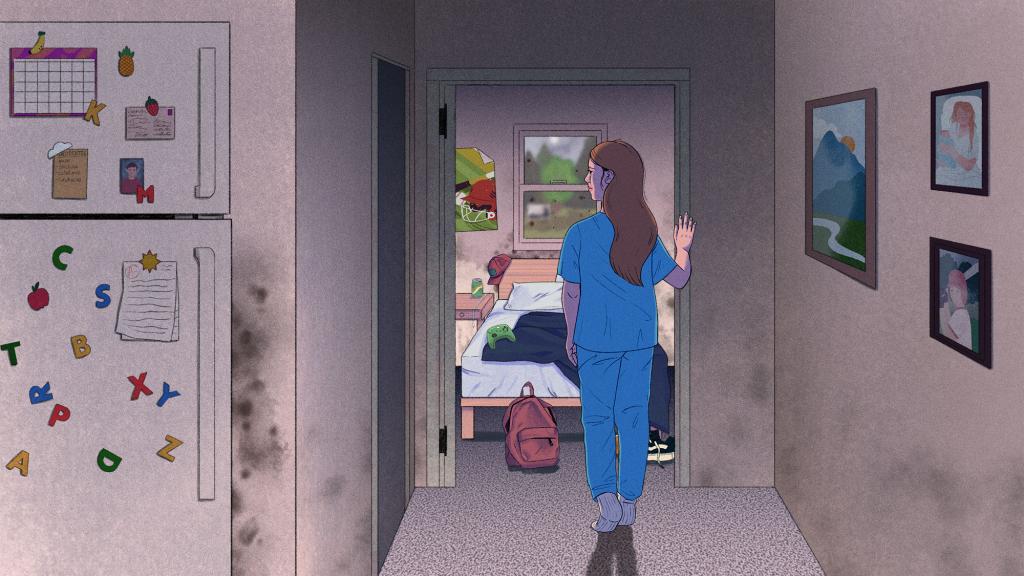
The first patient arrived just over two years ago. January was supposed to be a slow month at Santa Rosa, a hospital nestled in the middle-class Pueblo Libre district of Lima, Peru. The sprawling metropolis of 10 million can feel eerily empty at the height of summer, when some families flee the city and many others flock to the beach.
The patient, a woman in her early 20s, had traveled 270 miles with her mother from their home in the central Peruvian jungle. She had a high fever and unbearable stomach pain — the result, she feared, of a recent abortion gone wrong. The doctors at Santa Rosa took X-rays and found blood moving freely in her abdominal cavity. Acting quickly in a desperate bid to stop the bleeding, they decided to remove her uterus.
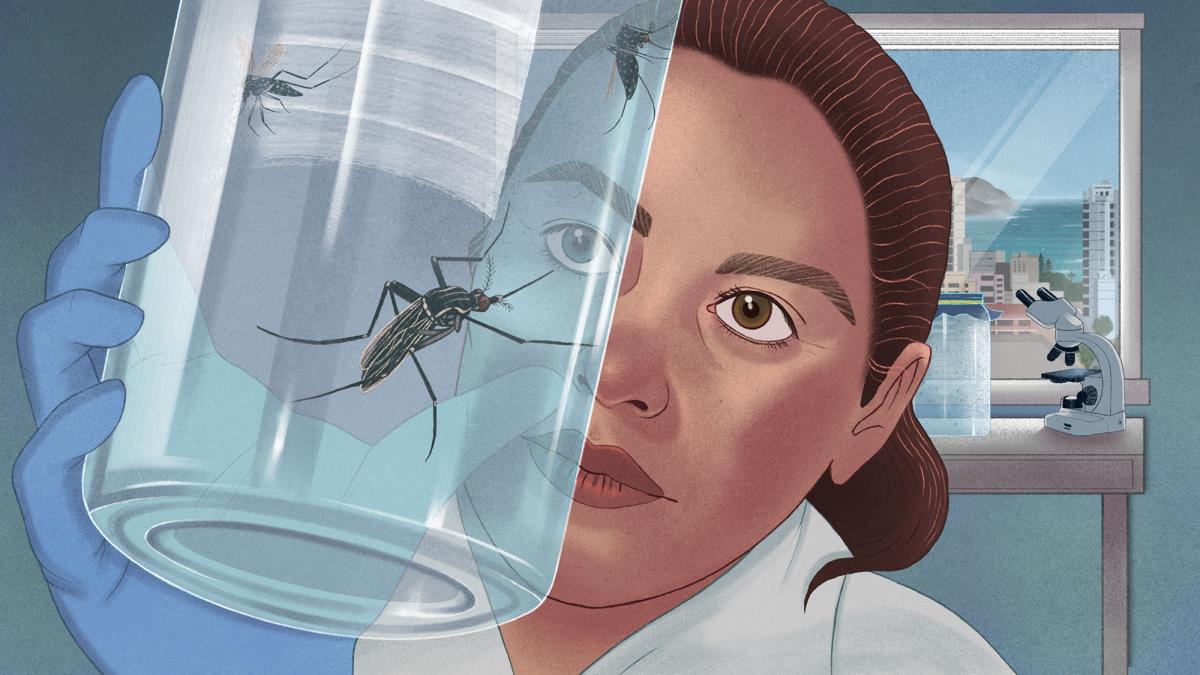
But the hemorrhage continued. The doctors ordered every test they could think of. Just one came back positive, and it was something most of the physicians had never encountered. The patient was not experiencing pregnancy- or abortion-related complications after all; instead, she was in the most severe phase of ... Read more