When Min left the hot, dusty plains of central Myanmar for its mountainous eastern border with China earlier this year, he had few options. A 2021 military coup had devastated the formal economy of the Southeast Asian country, and jobs were scarce. Min’s native Sagaing Region was at the epicenter of an armed uprising, making it a target of airstrikes and other retaliatory attacks. And the military introduced mandatory conscription in 2024, accelerating the exodus of young people from areas under its control.
As many of his peers fled Myanmar, Min paid a broker 2,000 Chinese yuan ($290) to arrange jobs for him and his younger brother at a rare earth mining site in an autonomous region controlled by a powerful ethnic army.
Assigned to build roads, Min and his brother each earned around 3,000 yuan ($430) a month. It was far more than they could earn in most industries, but the work came with risks. They were digging on steep slopes and Min’s brother had little experience operating heavy machinery.
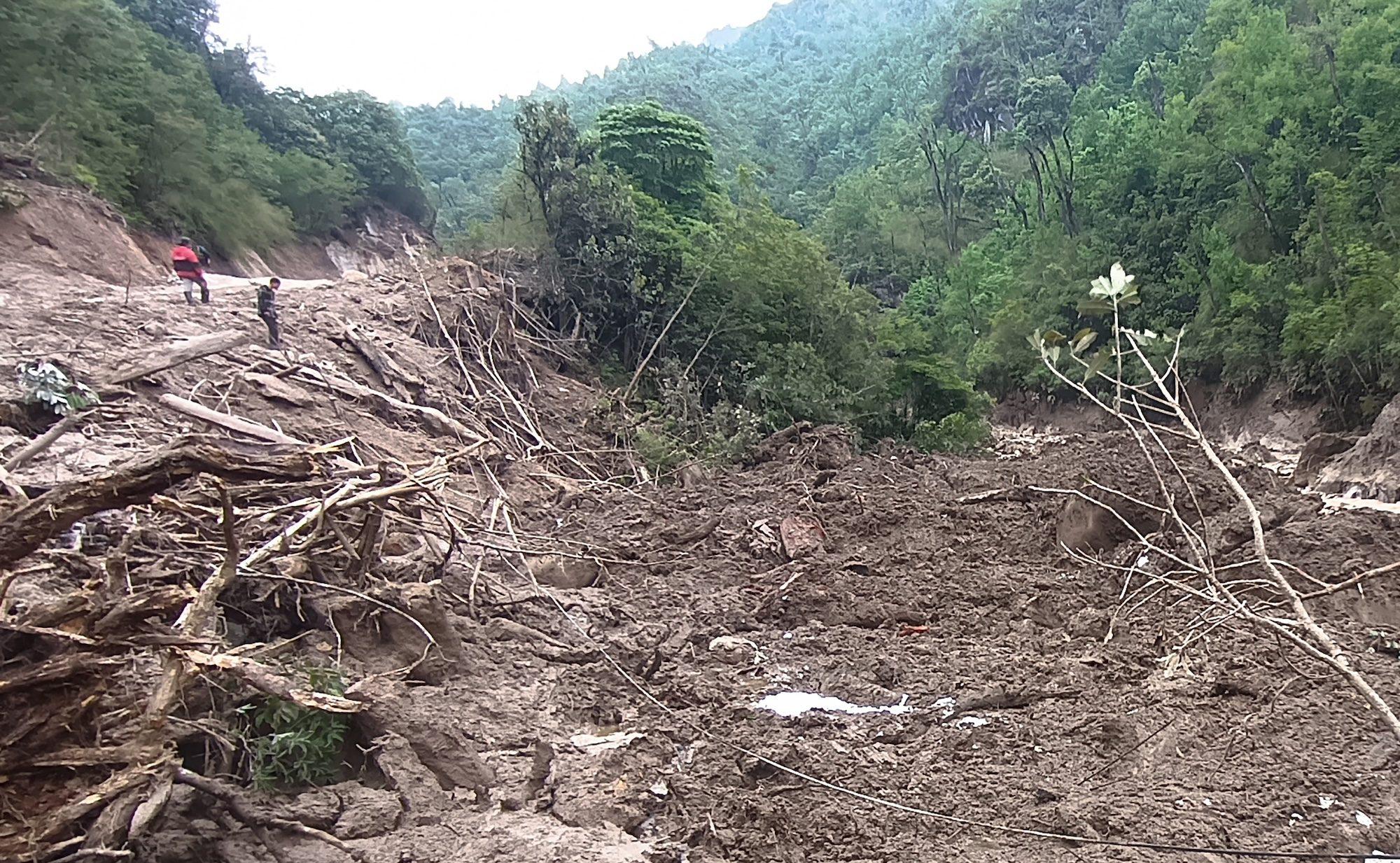
Weeks after arriving, Min’s brother died in a landslide. Min’s account of the incident could not be independently verified, but local media have documented at least five fatal landslides at rare earth mining sites in Myanmar in recent years, in one case burying more than a dozen workers.
His family held religious rites without his brother’s body, which could not be transported. Min did not go home either. “Despite the risks, I continue working,” he said. “There are not many other job options.” (Editor’s note: Like other workers interviewed, Min has been given a pseudonym.)
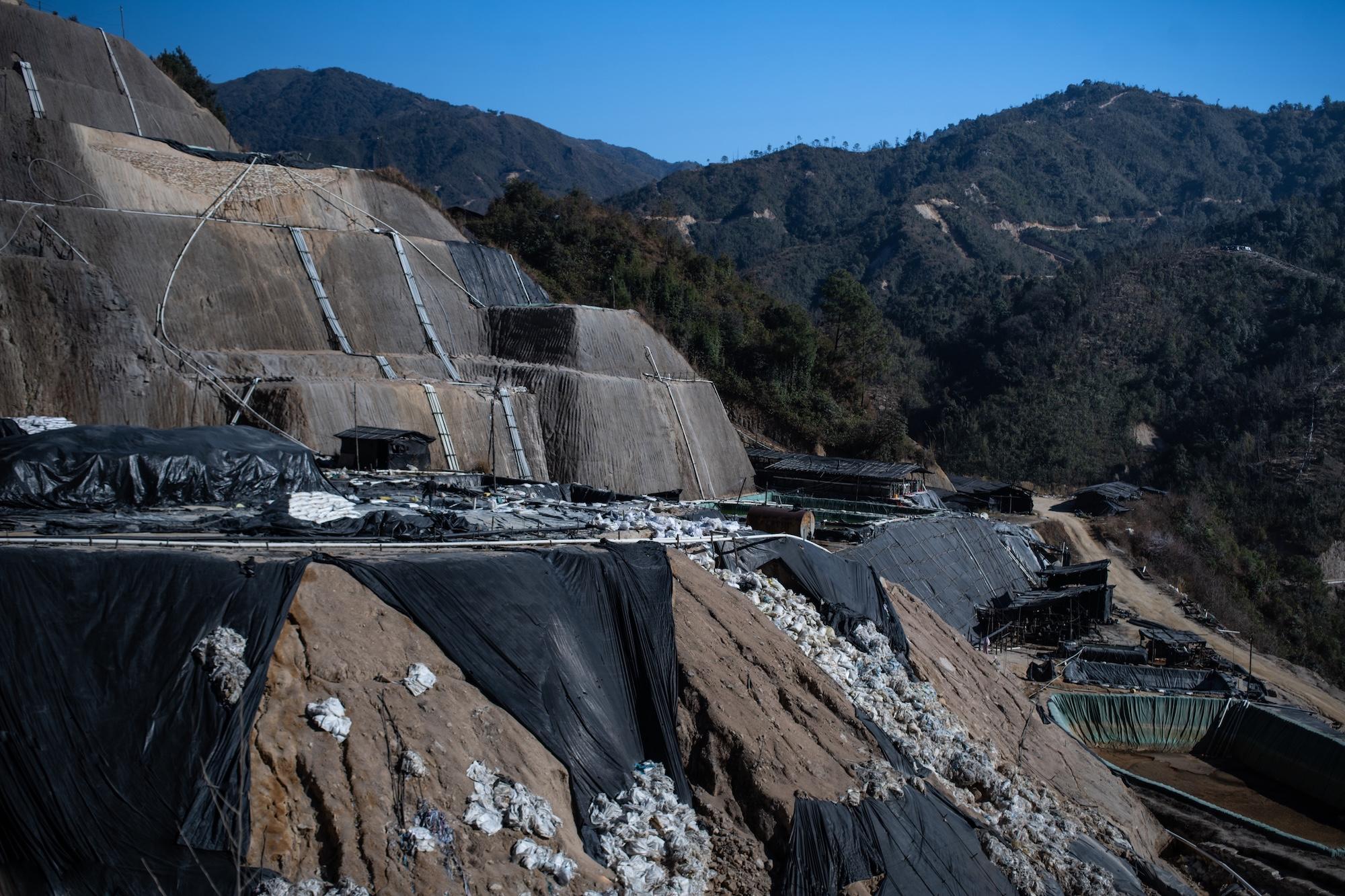
Min is part of an expanding workforce enduring hazardous conditions and handling toxic chemicals to extract some of the world’s most coveted raw materials. Used in the manufacture of wind turbines and electric vehicles, the 17 elements known as rare earths are often framed as essential to fighting climate change. But they are also used in advanced weapons, elevating their geostrategic value.
Many countries consider rare earths to be ‘critical minerals’ — vital to economic and security interests but vulnerable to supply chain disruption. As competition for control over supply chains intensifies, rare earth extraction has left a wake of destruction in source countries. Myanmar, the world’s largest supplier of a particularly sought-after subset known as heavy rare earths, is now enduring a disproportionate burden.
Myanmar’s rare earth mining industry operates in secret, with no public records of active permits or companies involved. Worksites are heavily guarded, and only a handful of journalists have reported on the ground over the past decade.
Still, news has trickled out — of poisoned rivers, forests devoid of wildlife, and farmland so toxic that growers cannot sell their crops. In May, a local human rights group reported that a Chinese rare earth mining company in Myanmar’s eastern Shan State was using prisoners and human trafficking victims for “slave labor.” It found that both the Myanmar military and United Wa State Army, an ethnic army that maintains a ceasefire with the military, were complicit.
Gawng Loe Mu
The businesses carrying out this extraction face few consequences in Myanmar — in part because the industry operates in a legal grey area. Chinese companies extract rare earths in autonomous, militarized regions controlled by local ethnic armies, which protect mining operations while taking a cut of the profits. The mined material is then trucked across the border into China, where it is mixed and essentially laundered with rare earths from other sources and processed for use in global products.
The conflict monitoring organization Armed Conflict Location & Event Data, or ACLED, has ranked Myanmar’s war as the second-most extreme on the planet, and also the world’s most fragmented, with more than 1,200 distinct armed groups. Corruption and weak rule of law have further contributed to an explosion of criminal activity of all kinds. According to the Global Initiative Against Transnational Organized Crime, Myanmar has the highest levels of organized crime of any country in the world.
“External influence, such as global demand and China, play a major role in Myanmar’s rare earth extraction,” said Thaw Htoo, a pseudonym for a political ecologist from Myanmar who conducts her research anonymously for safety reasons. “Armed groups and lawlessness allow this to happen while the international community turns a blind eye. … These actors are all involved in these harmful and irresponsible practices, and ideas like responsible sourcing or a just energy transition do not reflect the reality on the ground.”
As the world’s superpowers seek control over rare earth supply chains as a means to advance their national interests, from weapons to renewable energy, their demand is indirectly funding conflict actors in Myanmar during a time of war, incentivizing rapid extraction with minimal safeguards.
Rare earths are common in the Earth’s crust, but their low concentration, combined with the fact that they occur in complex clays and minerals, makes them costly and difficult to mine. Researchers have found that their extraction tends to occur at the margins of state and corporate power, with those profiting from extraction often using narratives of untapped wealth and critical strategic needs to justify their expansion.
Rare earth exploration has reached Indigenous territories in the Amazon, the deep sea, and even the moon. As the United States seeks ways to reduce its dependence on China, it has made deals involving rare earths in geopolitical hotspots including Ukraine and contested regions of Pakistan, while working to extend its influence over rare earth-rich countries including Venezuela and Greenland.
Within Myanmar, these patterns are repeated along its eastern border. “The question we need to ask about rare earths is why these same regions keep getting remade as extractive sacrifice zones,” said Jasnea Sarma, an ethnographer and geographer at the University of Zurich.
Myanmar’s borderlands have been contested since shortly after the country, formerly known as Burma, gained independence from Britain in 1948. Ethnic groups like the Kachins that had relative autonomy under the British rose up against direct central rule by the Burman majority. The Burmese military has sought to quell these rebellions with a brutal tactic known as “four cuts” — starving opponents of food, funds, intelligence, and recruits by targeting entire communities. Now in its eighth decade, Myanmar’s civil war is considered the world’s longest.
The central military and ethnic armies holding territory along the country’s borders take taxes from resources including jade, timber, and gold. Their affiliated companies profit directly from these industries. Armed groups that agreed not to fight against the military have been rewarded with a higher degree of autonomy to do business, giving them an added layer of impunity. Their territories have become hubs for more overtly criminal industries including drug production and online scams.
Because rare earth mining in Myanmar is so secretive, data on the industry is scarce. But China’s customs reports show that from 2017 to 2024, it imported more than 320,000 tons (290,000 metric tons) of rare earths from Myanmar, or roughly two-thirds of its total imports. According to the environmental nonprofit Global Witness, Myanmar surpassed China as the world’s largest source of heavy rare earths in 2021. It is a particularly vital source of dysprosium and terbium, components of heat-resistant permanent magnets — known as neodymium-iron-boron, or NdFeB magnets — used in a range of technologies with military and civilian applications.
There is limited publicly available data on the uses of dysprosium and terbium by volume, but research by the U.S. Department of Energy found that consumer electronics and industrial motors accounted for nearly 60 percent of global NdFeB magnet demand as of 2020, while offshore wind turbines and electric vehicles accounted for an additional 20 percent. If the world speeds up its shift away from fossil fuels as predicted in a high-growth scenario, offshore wind turbines and electric vehicles would account for nearly two-thirds of global demand for NdFeB magnets by 2030, according to the Energy Department.
China, which holds more than 90 percent of the world’s rare earth processing capacity, began restricting its exports of heavy rare earths last year in response to U.S. tariffs. The shutoff left global economies scrambling to find new ways to procure them, and prompted new deals and partnerships.
VCG / VCG via Getty Images
The highly sanctioned Myanmar military has meanwhile stepped up efforts to ingratiate itself with the Trump administration. In April, its Ministry of Information hired Roger Stone, one of America’s most notorious lobbyists, to help build ties with the U.S.
Some Americans have already lobbied for the U.S. to pursue access to Myanmar’s rare earths. Such a pursuit would most likely involve collaboration with India, Myanmar’s western neighbor and China’s rival in the region; analysts warn it would face immense logistical and geopolitical hurdles.
Whether these hurdles will stop the U.S. from trying remains unclear. In May 2026, the Trump administration signed a deal with India to cooperate in securing supplies. Days later, Myanmar junta leader Min Aung Hlaing visited India and met with Prime Minister Narendra Modi, discussing “ways to deepen cooperation” in rare earths among other topics, even though extraction areas are outside the military’s control.
A recent report by Forest Trends, a conservation-focused nonprofit, found that nature crimes — the illegal extraction and trade of natural resources — are “deeply embedded within broader illicit economies” across Southeast Asia’s Mekong Region, and that global demand for rare earths may intensify not only extraction in Myanmar, but associated conflict and crime.
Although legality in Myanmar is complicated by the military’s illegitimate claim to power and its involvement in criminal enterprises, Myanmar’s role as a hub for environmental exploitation is undisputed. According to Forest Trends, this activity provides military and criminal groups with revenue outside formal banking systems that can fund other illicit operations.
These extractive industries are highly lucrative, in some cases generating billions of dollars annually. The military claims the profits benefit the public, though many of the military’s conglomerates are sanctioned by the U.S. and other Western countries for funding human rights abuses. Groups fighting against the military, meanwhile, use narratives of revolutionary struggles and ethno-territorial rights to justify claims to land and resources, without taking responsibility for the harmful impacts.
“Everyone’s talking about rare earths now, and understandably so. But the story didn’t start there, and it won’t end there either,” said Sarma of the University of Zurich. “People are finally paying attention to the slow, perpetual violence that’s been unfolding here for decades beneath layers of extraction.”

STR / AFP via Getty Images
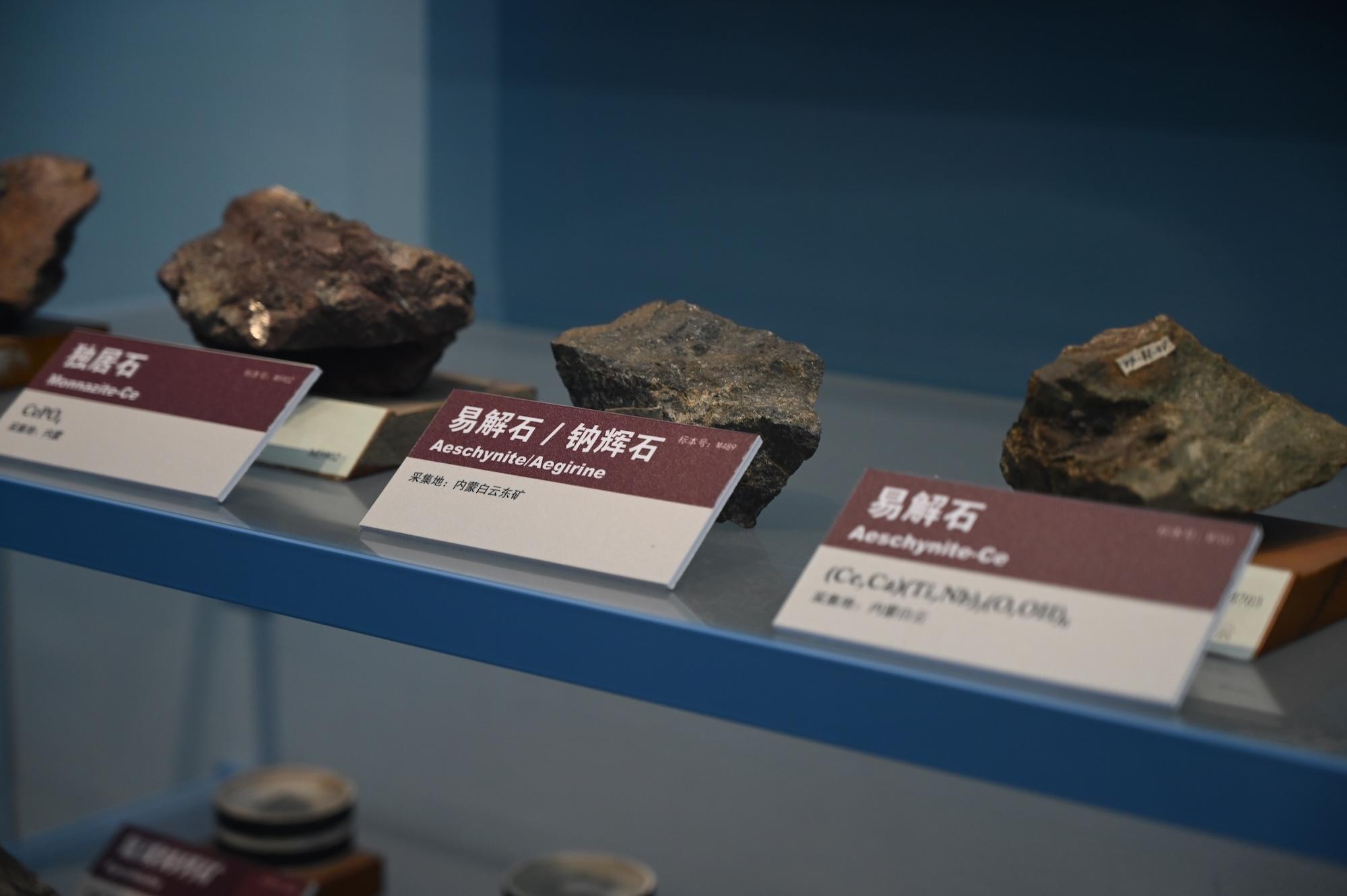
China once mined most of the world’s supply of rare earths domestically. In the Bayan Obo district of Inner Mongolia, an autonomous region of northern China, open-pit mining in the 1990s and early 2000s scarred the landscape with massive tailings ponds and poisoned the air and water.
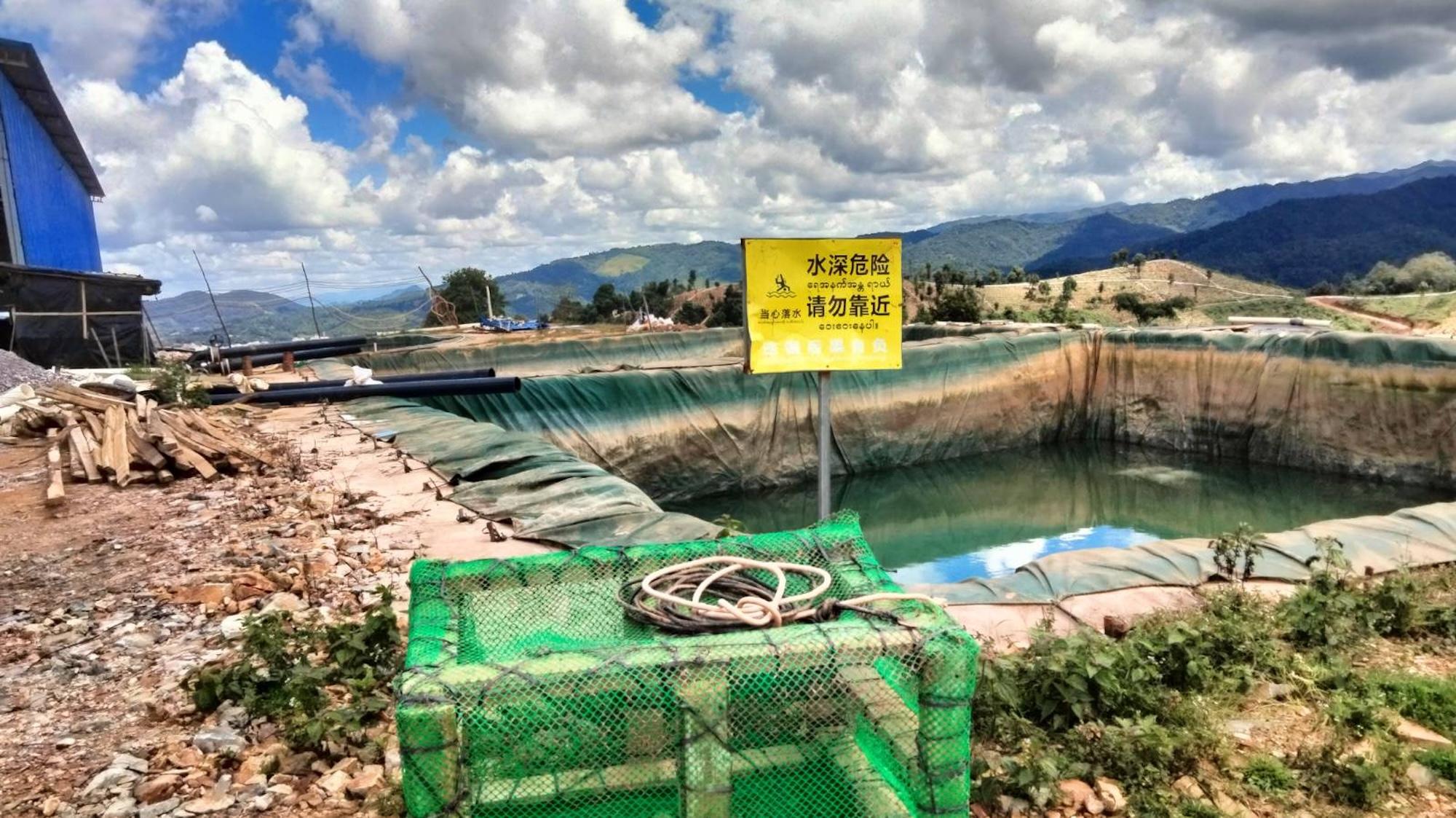
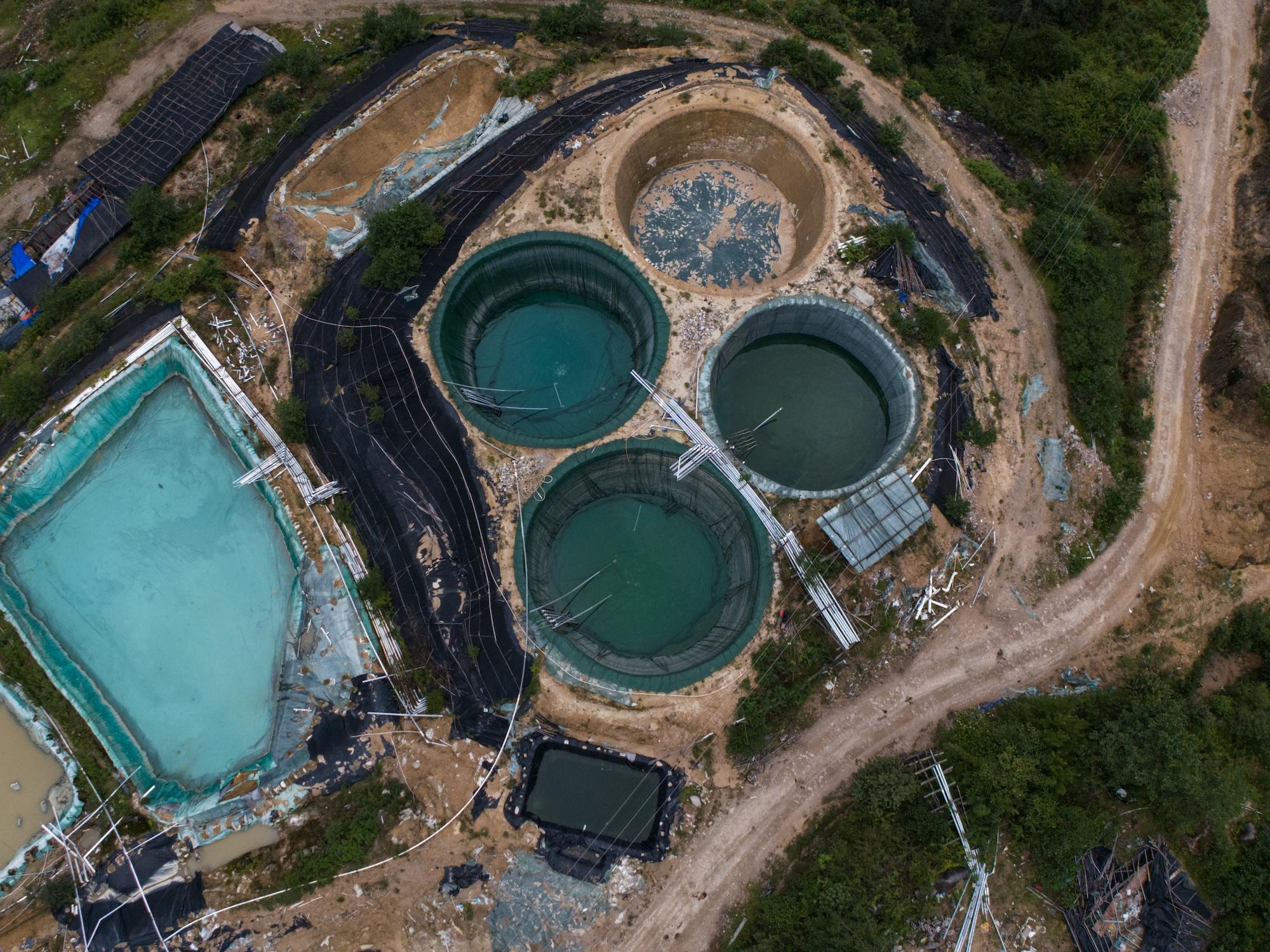
Bayan Obo is mainly a source of light and medium rare earths. Heavy rare earths are scarcer and more difficult to extract, and are typically mined in Myanmar through a process called in-situ leaching. It involves dispersing acid and chemical solvents through mountains, leaching out the rare earths in chemical pools, and burning them in furnaces.
The method carries substantial environmental and public health risks, according to Regan Kwan, a research analyst at the Stimson Center who studies the impacts of rare earth mining in Southeast Asia — particularly when pollution makes its way into water. “Chemical leaks and wastewater discharge can turn rivers toxic, reduce biodiversity, and expose communities to elevated levels of rare earth elements and heavy metals in crops,” he said. “On a human level, chronic exposure can affect the brain, liver, bones, and immune systems, and can be extremely detrimental during childhood development.”
China initially endured the consequences of in-situ leaching in its southeastern provinces, but eventually, the harms reached a tipping point. In 2012, the government found that rare earth mining had caused “great damage” to public safety, health, and the environment, and vowed to overhaul the industry. It has since drastically tightened regulations, driving the shift into Myanmar.
“Regulations were looser,” said Ryan Castilloux, the founder and managing director of the critical minerals strategy firm Adamas Intelligence. “Chinese companies or interests could take their expertise and get production going quickly.”
Peerapon Boonyakiat / SOPA Images / LightRocket via Getty Images
The origin story of rare earth mining in Myanmar is difficult to pinpoint, but satellite images and Chinese import data show that it reached an industrial scale around 2017.
By 2022, satellite images showed hundreds of rare earth mining sites in Myanmar’s northernmost Kachin State. Most of these sites spread out from the border town of Pangwa, which served as the headquarters for a warlord named Zahkung Ting Ying.
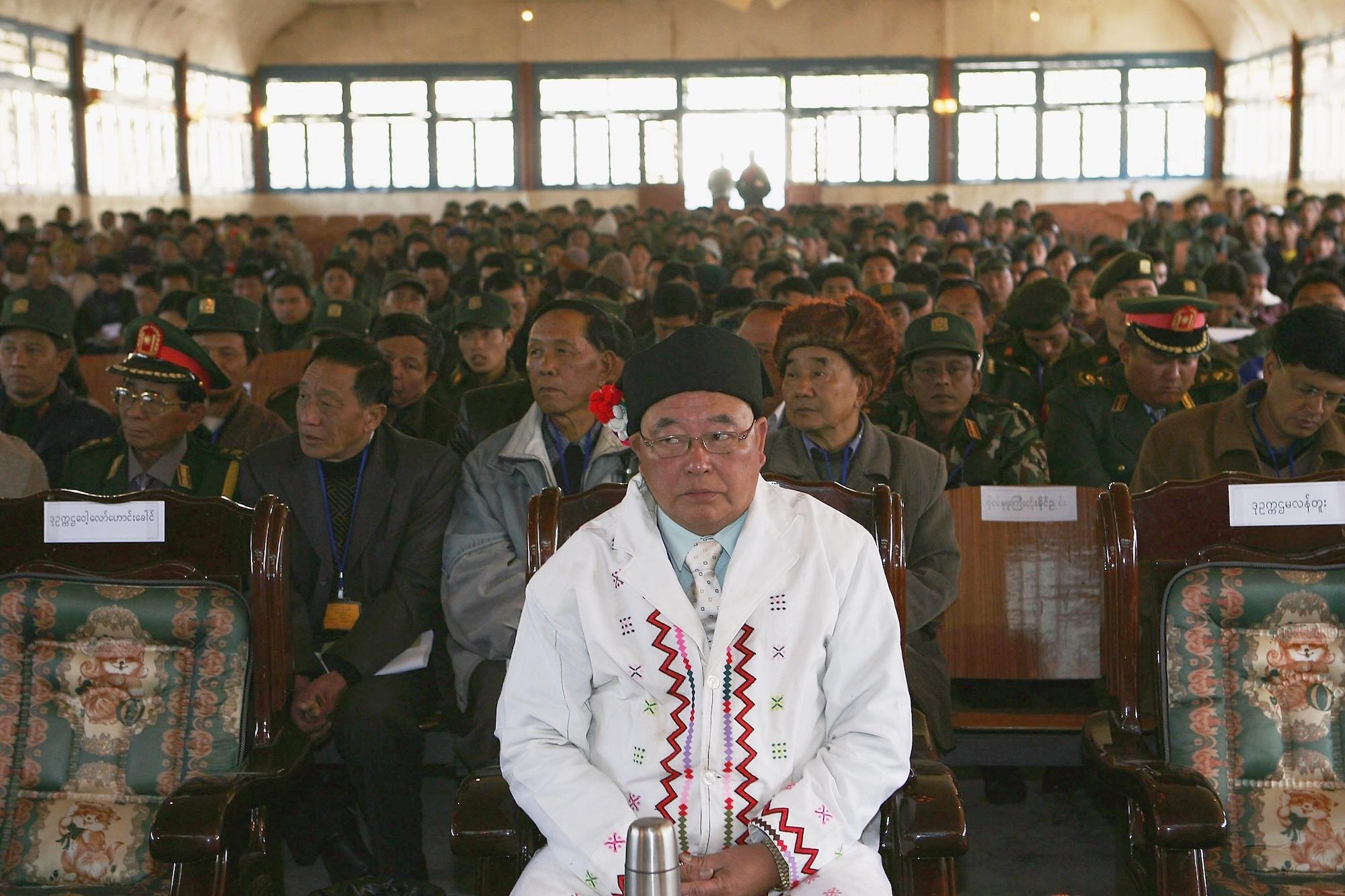
A former member of the Kachin Independence Army, or KIA, one of Myanmar’s oldest and strongest ethnic armed forces, he established his own rival army in 1989. He signed a ceasefire with the military the same year; in return, it designated his territory as a Special Region, an administrative status conferring a high degree of autonomy.
Ting Ying’s army is one of several to benefit from this arrangement. According to Kevin Woods, a political ecologist and research associate at Chulalongkorn University in Thailand, the military and ethnic armies on Myanmar’s border with China have used ceasefires as a deliberate means of generating wealth from natural resources while asserting control over land and people — part of a strategy he calls ceasefire capitalism.
In Ting Ying’s territory, the strategy was a success. Over three decades, he cultivated relationships with the military and Chinese investors while opening his territory for business. It became a hub for logging, poppy cultivation, banana plantations, and various types of mining. When China began looking for new places to source rare earths, his territory was a natural fit.
Kachin’s rare earth mining boom coincided with a political transition in Myanmar. In 2011, the military began handing over power to a civilian government following a half-century of direct rule. Five years later, it took a back seat to the elected democracy icon Aung San Suu Kyi.
Although her party initiated reforms seeking to strengthen natural resource governance and curb corruption during its five-year term, it ultimately faced criticism for its limited achievements. While activists accused it of suppressing independent voices and walking back protections for customary land ownership, the civilian government also lacked independent access to Myanmar’s Special Regions like the one set up for Ting Ying, hindering its ability to monitor some of the worst environmental offenses.
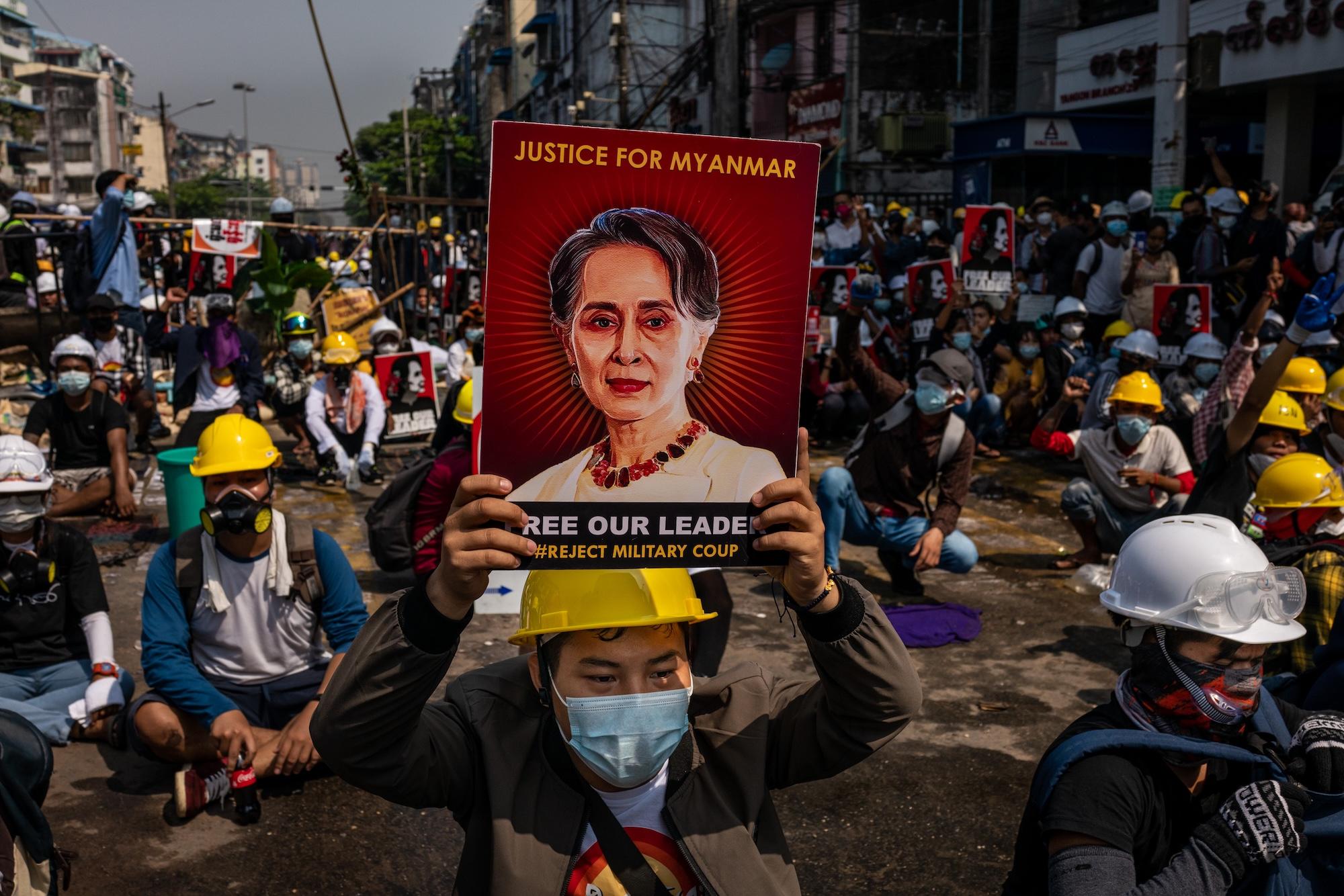
Still, Aung San Suu Kyi’s party was easily reelected in November of 2020. The military refused to accept the results, however, and on February 1, 2021, it arrested Aung San Suu Kyi and other members of her party and took power in a coup. Widespread nonviolent protests followed; when the military cracked down with lethal force, many protesters turned to armed resistance.
Hundreds of new armies emerged with a shared aim of overthrowing the military and establishing a democracy, but their goals went further. They also sought a federal political system that granted autonomy to ethnic states — a goal that brought them in step with some of the country’s most powerful ethnic armies. The Kachin Independence Army is one of several that sided with the resistance, hedging its bets that victory would bring it closer to the self-determination it had been seeking since the 1960s.
Armed and trained by the KIA and other established forces, Myanmar’s anti-junta resistance has made significant gains. The military, backed by Russia and China, has retaliated with a heavy hand, killing thousands of civilians and displacing millions. United Nations investigators have accused it of committing war crimes and crimes against humanity. In 2025, the U.N. found that Myanmar was facing a polycrisis that had pushed millions into poverty and “reshaped every aspect of life.”
Hkun Lat / Getty Images
A scramble for resources followed the coup, offering armed actors and their business partners new opportunities to make money. “There has been less rule of law since the coup, and a much stronger demand for revenue generation among a proliferation of armed groups,” said Woods, the political ecologist. “That has created a context, especially along the China border, that has little remaining accountability.”
In Kachin, Ting Ying initially experienced a windfall. As war raged across the country, his territory remained peaceful, and rare earth mining expanded. Chinese customs data shows that China imported $3.6 billion worth of rare earths from Myanmar from 2021 to 2024, out of a total of around $4.3 billion since 2017. The vast majority of rare earth mining sites in Myanmar were in Ting Ying’s territory at the time.
Then in late 2024, the KIA defeated Ting Ying’s army. Ting Ying was initially rumored to have fled to China, but has since been cozying up to Myanmar military officials and Chinese diplomats. In his former territory, now controlled by the KIA, rare earth mining has been slow to resume. Some reports indicate the KIA has faced pressure from China, which typically prioritizes its own business interests in the country. Since the coup, China has repeatedly pushed ethnic armies supporting the pro-democracy movement to cease fighting the military or withdraw from territory they control.
To keep business flowing amid the volatility in Kachin, Chinese companies expanded rare earth mining southward into Myanmar’s Shan State — particularly areas bordering China, controlled by ethnic armies that signed ceasefires with the military.
“China’s rising demand, coupled with uncertainty in Kachin, has shifted investment,” said Xu Peng, a political scientist at the University of Manchester. “With high margins and reliable tax take, rare earths have become a key, competing extractive resource for ethnic armed organizations, reinforcing today’s rapid growth.”
Machya
Five rare earth mining workers based in areas controlled by the KIA and United Wa State Army in Shan State described exploitative and risky conditions. All of them have been given pseudonyms.
Kaung worked his way up from a laborer to a supervisory role over five years, but quit his job earlier this year due to feelings of discrimination by his Chinese employers. He said they underpaid him, and walked back their offer of a commission based on mining output. “Because there were no written contracts, they claimed they had no obligation to pay,” he said.
He and other workers from Myanmar said that Chinese nationals held almost all senior positions, and that even when workers from Myanmar were promoted, they were still under Chinese bosses. “There were many structural challenges,” said Kaung. “Working under Chinese management meant that all work depended on their decisions and authority.”
Without written contracts, workers had little recourse from dismissal. Women faced particular risks. “Some Chinese supervisors sought second wives, and if female workers refused their advances, they were dismissed from their jobs,” said Kaung.
He added that even the value set for a worker’s life differed by nationality. “If a Myanmar worker dies, compensation is limited to between 80,000 and 100,000 yuan,” he said. “If a Chinese national dies, compensation can exceed 1 or even 2 million yuan.”
Pann Ei fled her village in Shan State as fighting escalated in 2023. Now a cook at a rare earth mining site, she typically works 10 hours a day, with only two rest days a month. “Most workers don’t stay long because of problems like not receiving salaries regularly or having deductions,” she said. “Even though the jobs are dangerous, salaries are still uncertain.”
Si Thu, a laborer at another site, works similar hours for daily wages. “When I arrived here, I found that the work is not done under a formal contract,” he said. “There are no fixed rest days. We can take leave if we request it, but the missed days are deducted from our pay.”
His job is to dig boreholes and install pipes for dispersing chemicals through the mountains. “It’s like injecting medicine into a patient’s vein,” he said. “We drill holes into the mountain and inject liquid acid through the pipes so that it seeps into the ground.”
Mi Mi, who works as a cook, said her company provided protective gear for laborers, but that people would sometimes take off their gloves and boots due to the heat. She witnessed the consequences for a Chinese worker who handled acid without wearing gloves. “It caused burns on his hands, leaving red, blister-like marks,” she said.
Research by Tanapon Phenrat of Thailand's Naresuan University found that water samples taken from areas of extraction in Kachin State were severely contaminated with radioactive elements, toxic heavy metals and other harmful substances, representing levels that would “substantially exceed” regulatory thresholds in China.
Kaung, the site supervisor, said he had little choice about the water he used in daily life. “Drinking water is taken from mountain sources through pipelines connected to areas where there are no rare earth mines. We boil the water before drinking it, and the same water is used for bathing,” he said. “Even though the water is sourced from non-mining areas, I believe it may still be contaminated.”
While he has not identified any discernible consequences on workers’ health, he said that supervisors of rare earth-burning furnaces had heard of infertility problems among both male and female workers — an impact of rare earth exposure that has been identified in some laboratory research and studies of other contexts.
Workers in Myanmar also described severe environmental destruction. “The water is lifeless, and the mountains have been badly damaged,” said Kaung. “Plants and trees can no longer grow. … Wild animals have lost their habitats due to extensive drilling and the digging of boreholes.”
According to Mi Mi, companies abandon mining sites after depleting their resources. “No one takes responsibility for what happens to the land,” she said. “Despite this, we have no choice but to rely on this work for our livelihoods.”
Nyi Tun, a man in his 50s who has also been given a pseudonym, described major impacts in his village. His family has survived generationally through hill cultivation and raising livestock, but this way of life is now under threat. “In the past, this area was very pleasant to live in,” he said. “It is not good to live in anymore. There is a lot of mining across the mountains, including rare earth mining.”
STR / AFP via Getty Images
The problems started around six years ago, when Chinese businessmen and local officials informed village leaders that they would soon begin mining rare earths just a few miles away. “No one asked for the villagers’ opinions,” said Nyi Tun.
Destruction followed. “The soil color has changed; it used to be rich and reddish, but now the environment is dry, like the soil from the desert, and it looks pale and yellowish,” he said. “Dirty water, polluted water, and waste from rare earth mining in the mountains flow into our streams and creeks.”
In the dry season, trucks transporting rare earths to China blow up dust and damage the roads. The hot season feels hotter than in the past, while the rainy season brings deadly landslides and floods. “Crop yields are lower now,” said Nyi Tun. “We can only farm enough for our own consumption; the yield isn’t good enough to produce a surplus to sell.”
As the conditions worsen, young people are migrating to cities and towns in search of work. “I am not educated, but I know and understand how this village began and the current situation,” said Nyi Tun. “Some people call this development, but I don’t see it that way. I feel sad seeing our ancestral lands and farms damaged.”
These impacts point to a double standard. While China now mandates that companies mining rare earths within its borders adhere to strict environmental regulations, it doesn’t require the same compliance abroad, according to Xu Peng of the University of Manchester. “The regulatory framework governing overseas extraction, including in Myanmar, remains comparatively vague,” she said. “There does not appear to be a clear, directly enforceable Chinese legal restriction specifically prohibiting environmental harm from rare earth mining overseas, including in Myanmar.”
Once these rare earths cross into China, processing is highly centralized. Castilloux of Adamas Intelligence compared China’s rare earth processing industry to a coffee grinder, so thoroughly blending together material from different sources that the individual components are nearly impossible to trace to their origin countries. “Unless you’re on the floor and you can kind of track the molecules down the separation line and then follow it to a metals plant, it becomes really, really tricky,” he said.
Still, he asserted that based on proportionality, companies using heavy rare earths in their products could be sure that their supply chain, at least a portion of it, is tied to Myanmar. “If you’re buying magnets from China, or let’s say Japan with inputs from China, there is some portion of that material in those magnets … that has certainly come from Myanmar, in every case,” he said.
According to Ben Hardman, Mekong legal director at the environmental nonprofit EarthRights International, companies are aware of the problem but are skirting responsibility. “I think companies are consistently using Myanmar as a sacrifice zone,” he said.
He called on companies that rely on heavy rare earths in their supply chains to both reduce this dependence and engage with local civil society groups and ethnic armed organizations controlling rare earth mines in Myanmar, in order to mitigate and remedy the harms. “It’s not acceptable for companies to say, ‘We are going to keep sourcing magnets that include these heavy rare earths but we can’t do anything about it because it’s complex,’” he said.

As the global race toward net zero carbon emissions accelerates, experts are increasingly warning that the rush to extract materials used in renewable energy technologies threatens to exacerbate global inequities while reversing some of the potential environmental and human rights gains.
Julie Michelle Klinger, a geographer and associate professor at the University of Wisconsin, Madison warned that rare earths’ other applications — including their use in petrochemical refining, nuclear, and hydropower, as well as weapons — are often overlooked. “There are currently no measures in place to track, much less ensure, that mines opened ostensibly to meet the growing demand for renewable energy technologies actually serve that purpose,” she said. “In the context of global rearmament, it is reasonable to guess that an even smaller share of global rare earth output is actually going toward technologies that might be used in an energy transition.”
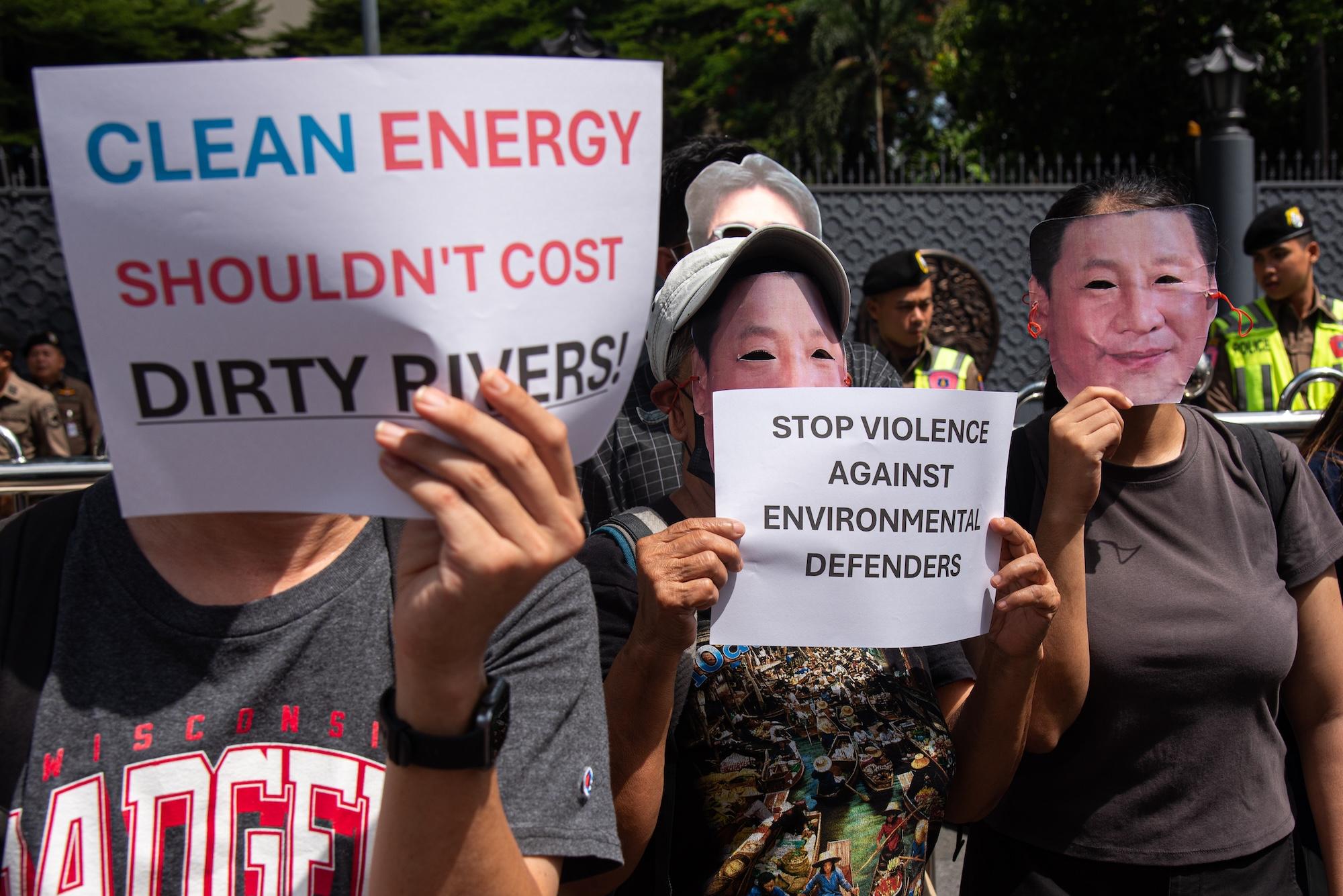
While accountability remains near-absent in Myanmar, the problems continue, and are spreading to other countries. In neighboring Thailand, water testing over the past year has revealed toxic contamination of rivers from rare earth extraction and other forms of mining in Myanmar. Local advocates in Thailand are calling on the Thai government to take action, even though it does not formally engage with the ethnic armies controlling areas of Shan State where the rivers originate, and where civic space is minimal.
In Kachin, a sliver of hope has emerged since the KIA took over rare earth mining areas in 2024. The Kachin Independence Organization, or KIO, which oversees the KIA, has a history of engagement with civil society, but has long struggled to balance its dependence on resources with its accountability to the public. Since the coup, it has come under renewed pressure to reform its approach to resource governance, but its response has been mixed.
In a landmark case in 2023, it canceled plans to mine rare earths at one site following widespread protests, only to later allow mining in the same area. In another case, it dispersed protests at a planned site and detained more than 20 people, effectively silencing local activism. With independent media unable to visit the area, it is unclear whether the mining proceeded.
A civilian living in Kachin, speaking on the condition of anonymity, said that locals were being paid to allow rare earth mining on their land, but lacked the conditions enabling them to make free and informed decisions. “There is no formal consultation, information sharing, or public announcement process with communities,” he said. At the same time, he remained fearful of expressing this or other concerns directly to the KIO. “Raising the topic of rare earth mining is still very sensitive,” he said.
Lahkyen Roi, a Kachin scholar-activist, is speaking out using a pseudonym. “Even if these mines are providing vital revenue for the war against the military, the KIO should place a moratorium on these extractive activities for now, considering short- and long-term implications on the local communities, local economy, and environment,” she said. “With rare earth exploration expanding across many ethnic territories to exploit the current sociopolitical instability, the industry is headed toward a ‘race to the bottom.’”
Whether in Kachin or Shan, workers face pressure to keep their heads down. “If information related to rare earth mining is posted online, monitoring becomes stricter and more vigilant,” said Min.
After his brother’s death, his employers urged him to refrain from posting about the incident on social media, while offering him compensation amounting to around a year’s worth of wages. Ultimately, he accepted the offer, sent the money home to his family, and continued his work. “There is no freedom to speak openly about rare earth mining,” he said. “Workers simply work, rest when their shifts end, and receive their salaries when the time comes.”
Additional reporting by Gawng Loe Mu