Hey there, Looking Forward fam. A quick announcement before we get into today’s story: We’re working on some changes to this newsletter that I have been mega excited to share with you, which I hope will make the newsletter an even better community for exploring climate solutions and how we can fit into them. I’ll get into more of the juicy deets next week — but there are a few logistical things I wanted to preview for you now. Starting in two weeks (on August 15), you’ll see Looking Forward in your inbox on Fridays instead of Wednesdays, and it’ll be coming from a different email. So if you know you have an overactive spam filter, please make sure to add grist@email.grist.org to your “safe senders” list.
More soon! But in the meantime, let’s get into today’s story, which is about how people all around the country are experiencing the impacts of federal cuts to climate work and funding, and how they’re finding ways to start filling those gaps.
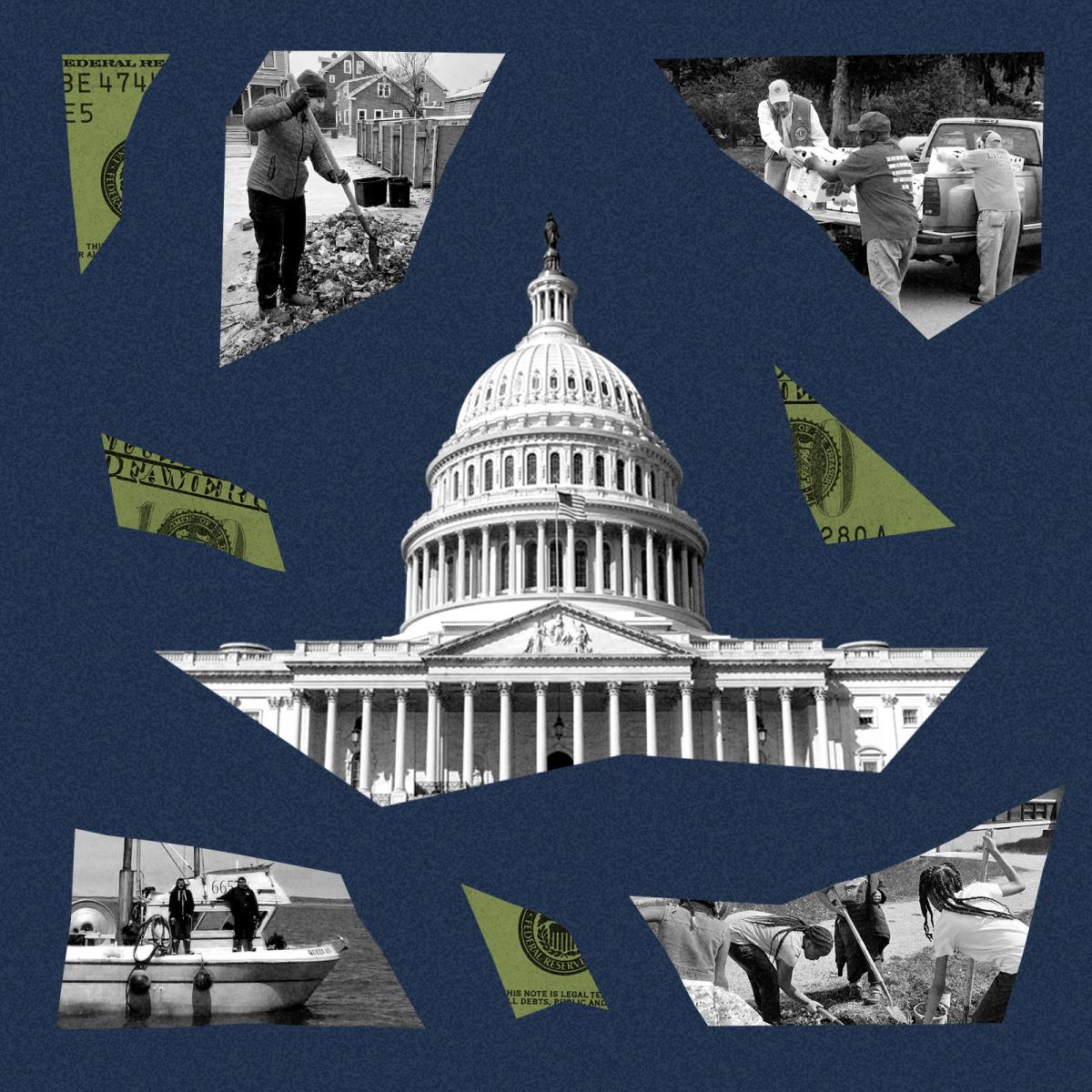
Last week, Grist published a project sharing stories of people — from farmers to YouTube creators — who have been affected by federal cuts to climate, environmental, and equity work across the country. These stories show not just how individuals have been impacted by the loss of their jobs or funding, but what the loss of this work means for the communities they served.
There’s Julian Nava-Cortez, a former member of the California Emergency Response Corps who traveled to Los Angeles earlier this year to assist with recovery efforts after the devastating wildfires. That work involved 11-hour days, helping impacted residents contend with both the logistical and emotional aspects of recovery. Then there’s Sky Hawk Bressette, a former environmental educator with the Parks & Recreation department in Bellingham, Washington, who taught fifth-graders how to identify native and invasive plants. Both of their work stopped when the Department of Government Efficiency gutted AmeriCorps, an agency that has coordinated a huge variety of service and volunteer programs for the past three decades. In April, AmeriCorps canceled some $400 million in grants and placed 85 percent of its staff on leave, my colleague Kate Yoder reported.
Then there’s Tom Di Liberto, whom we heard from in Looking Forward earlier this year, about his experiences on the climate job market. He lost his job as a public affairs specialist at the National Oceanic and Atmospheric Administration (though he’s since found a new position as the media director for a climate nonprofit).
“I think people don’t know that NOAA is beyond just your weather forecast — that NOAA works directly with communities to help build resilience plans for extremes,” Di Liberto told me. Some of his communications work with the agency involved equipping doctors with NOAA data to better understand how changing weather might change medical diagnoses, and working with faith communities to help them prepare to serve their communities during events like heat waves.
“Those sorts of activities are all done now,” Di Liberto said.
When we talk (or write) about what people are doing to address the climate crisis, there’s always a question of impact. No single initiative or innovation is going to “solve” climate change, but even seemingly small efforts can make a real difference for a given community or locality or industry. Sometimes we may not even realize the significance of those impacts until they’re no longer there.
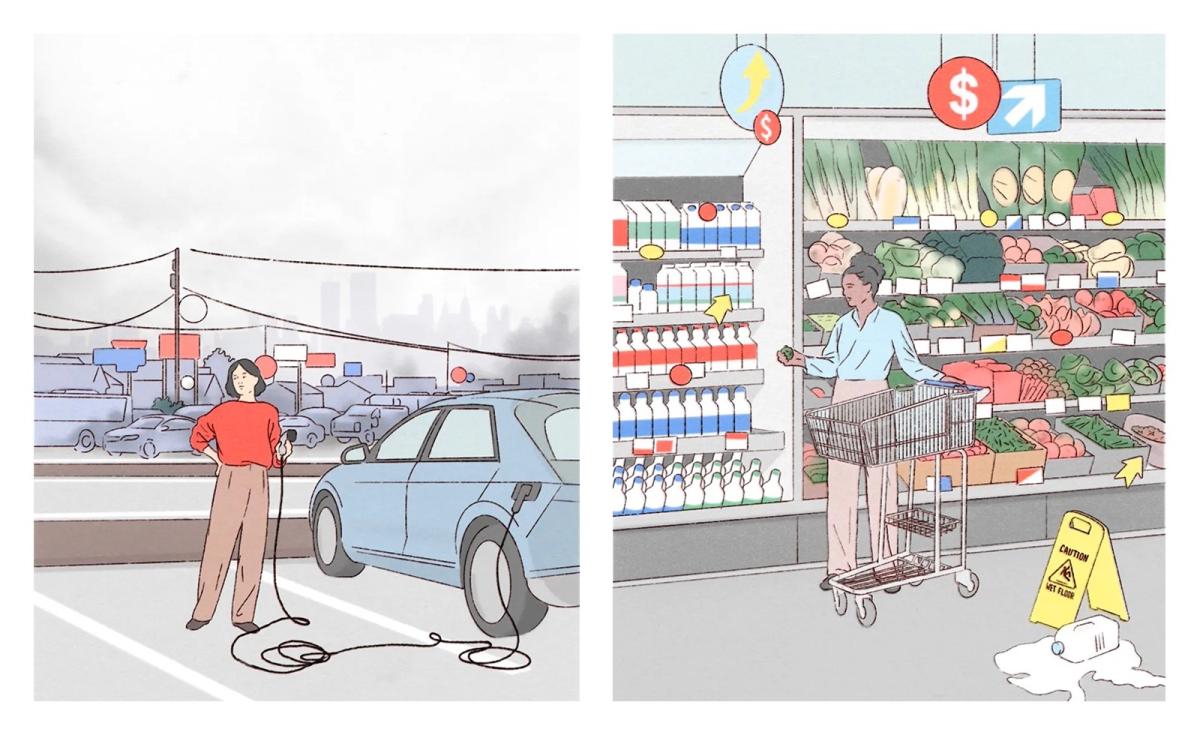
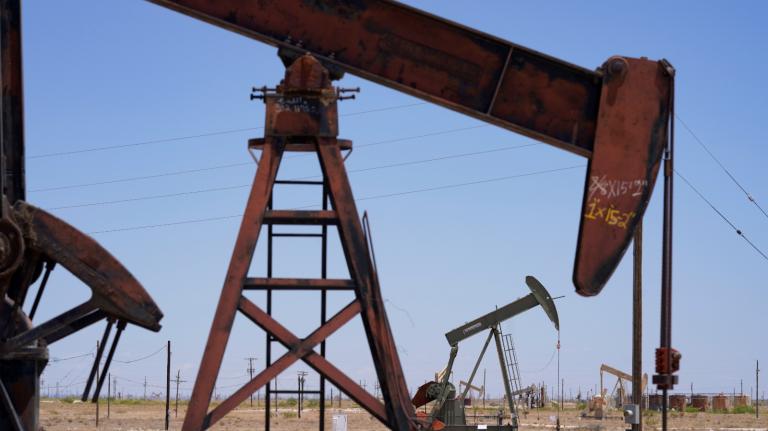
To drive home even further what the federal government’s actions mean for all of us, Grist published another project just this morning examining how not just funding cuts, but also the gutting of programs and regulations, will reshape Americans’ daily lives. Everything from our energy bills to our parks and green spaces to the water coming out of our faucets is threatened by the administration’s dismantling of fundamental systems.
All of this adds up to a pretty disheartening picture for climate progress. The headwinds are strong right now, it’s true. And with a federal government bent on stripping away resources and policies and painting climate- and equity-related work as counter to American values, what can we the people even do?
Some of those we spoke to are determined to find other ways to continue their work. “I’ll find the money, if I have to. I’ll win the lottery and spend the money on cheaper power,” said Port Heiden tribal president John Christensen, whose grant money for building a much-needed hydropower plant was frozen. “I’m still trying to see what I can do without funding,” said Edgar Villaseñor, who had been counting on a federal grant to support his research on heat impacts and solutions in Laredo, Texas.
Yesterday, the think tank Urban Ocean Lab (led by friend-of-Grist Ayana Elizabeth Johnson, whom we’ve heard from in this newsletter many times) released a policy memo outlining how U.S. cities can continue to step up to fill the gap in climate justice work left by the federal government’s retreat. The report highlights examples of how cities have already seen success implementing creative funding mechanisms, collecting and hosting their own data, and weaving climate and justice considerations into the functioning of local governance, among other key areas.
I’ll brag on one example from my own city: In 2018, Seattle launched an Environmental Justice Fund to support community-led projects in the parts of the city most vulnerable to climate impacts and health and economic disparities. For 2025, $740,000 is available in grants of various sizes. And the fund is supported by a local tax on high payrolls, not federal funding — a model that other local governments could follow.
A recent report put science behind it: Around the world, cities are moving faster on climate action than their national governments, whether or not they are getting federal support.
“This moment demands bold action,” the memo from Urban Ocean Lab states. “While federal support remains uncertain, cities have the tools — and the imperative — to continue advancing climate justice from the ground up.”
Read more:
- They lost their jobs and funding under Trump. What did communities lose?
- Trump’s environmental policies are reshaping everyday life. Here’s how.
- Staying the Course: Local Climate Justice in an Era of Federal Rollbacks (Urban Ocean Lab)
— Claire Elise Thompson
A parting shot
Our project tracking this administration’s impacts on American life, out today, includes bespoke artwork by Lucas Burtin that illustrates facets of everyday routines — like the rising cost of groceries, the difficulty finding a place to charge your EV, and even unchecked pollution in your air — that are affected by federal actions. Check out that project here.