👋 Hi, everybody! Once again, shout-out to all the gamers participating in our Earth Month scavenger hunt. We’ve got another lovely photo for you all to try to pinpoint this week — the photo and current leaderboard are down below this week’s main story. And next week will be our final round! (Reminder, this friendly competition comes with a prize: a free copy of my colleague Jake Bittle’s book, The Great Displacement: Climate Change and the Next American Migration.) Happy guessing!
And for this week’s main story, we’ve got another advice column in our Ask a Climate Therapist series. Today, therapist Leslie Davenport digs into a question about how to plan well for the future, from a young reader staring down a world of uncertainty.
This post originally appeared in Grist’s weekly solutions newsletter, Looking Forward. Not on our list yet? Subscribe here to get it in your inbox every Friday.
Ask a Climate Therapist: Why should I plan for my future when I feel we don’t have one?
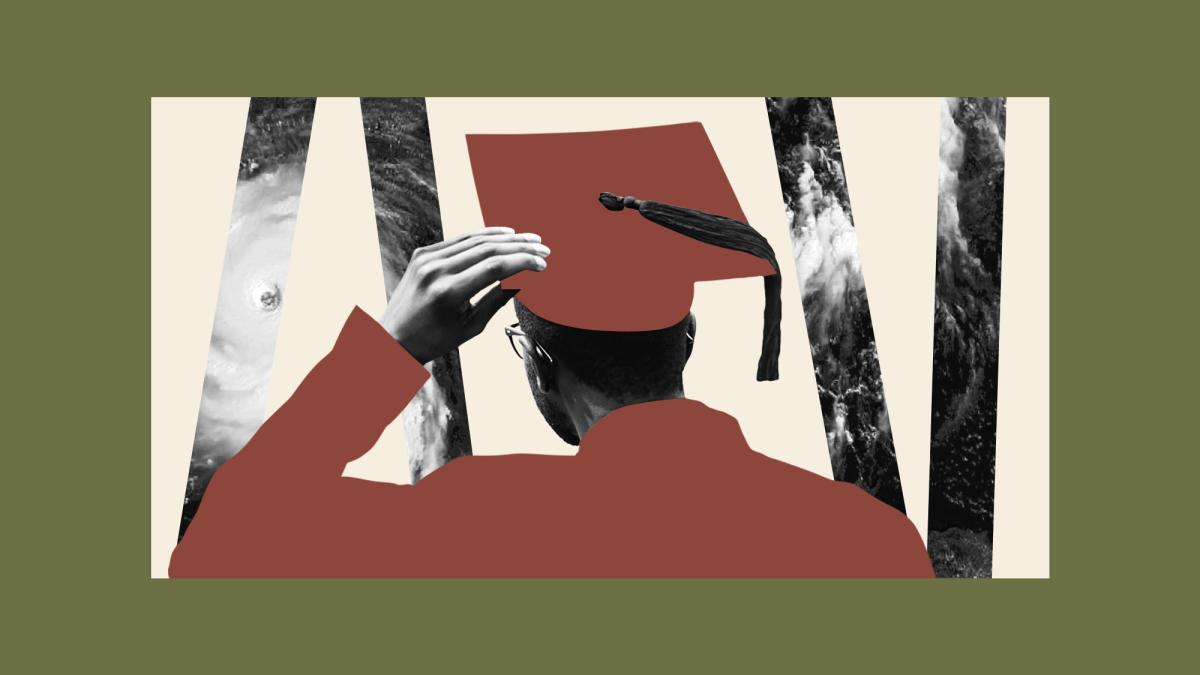
Grist / Getty Images
Dear Leslie,
I’m a young adult trying to figure out what I’m doing with my life. It feels really hard to plan for my future given the uncertainty climate change produces, and sometimes I feel like my degree, which I’m passionate about, will be useless “when the apocalypse comes.” How can I plan well for my future when I don’t know what the world will look like in 10 years, let alone 50?
— Scared Student
🔮🔮🔮
Dear Scared Student,
You’re asking one of the most significant questions of your generation, and it’s one that I’m hearing more and more from young people who are tuned into the rapid shifts occurring on our planet. Anyone who claims to know exactly what our changing world will look like in 50 years is deceiving themselves. It takes courage to sit with that uncertainty rather than push it away, so let’s start there: Give yourself credit for remaining aware of both the realities and the unknowns.
That said, the word “apocalypse” doesn’t leave a whole lot of room for possibility. It’s hard to believe that anything matters if the end of times is a foregone conclusion. I think it’s worth breaking that down into two inquiries: what might actually happen, and how the uncertainty is affecting your ability to move forward.
Serious disruptions are taking place already and are essentially a guarantee — including in whatever field you’re training for. I don’t want to minimize the real fear underlying your question. Planning for a future that feels unstable is a genuine challenge. Let yourself feel the weight of that before reaching for solutions. Whatever our future does hold, we can be certain it will look different from the world we know today — perhaps in some wonderful ways, and likely in some bad. Feeling the loss is part of staying whole — neither turning away from what worries you, nor losing sight of what you can still shape.
But collapsing all of our possible futures into a single worst-case scenario tends to make us freeze, and freezing helps neither us nor the communities and ecosystems depending on our action.
Unfreezing, then, is not about pretending that everything will be fine: It’s about developing a skillful agility that allows you to shift as circumstances change.
The skills, relationships, ways of thinking, and capacity for meaning-making that you cultivate when pursuing work you’re passionate about can translate into a wide range of scenarios. They’re not locked inside a single job title. The question isn’t whether your degree will survive in the future; it’s how you can show up with depth and flexibility and continue to seek out the next useful contribution, both personally and professionally.
It can help to shift from long-range certainty-seeking to values-based navigation. Instead of asking, “Will this matter in 50 years?” try asking, “What matters to me now, and how can I build a life that honors that?” This is a core insight from acceptance-based approaches to anxiety. When we loosen our grip on specific outcomes and orient ourselves toward what we value, we can become more resilient and sustain our motivation. Values travel with us, and they’re what allow us to keep pivoting as circumstances change.
No one can plan for a fixed future. Such a thing doesn’t exist. You’re developing yourself and your work in a very dynamic world that will challenge you to use your creative power as you pursue your goals. Your passion isn’t a liability. Today and in the future, whatever transpires, the paramount need is for people who care deeply.
With you in this,
Leslie
Do you have a question you’d like to see Leslie tackle in a future column? Submit it here.
Earth Month scavenger hunt
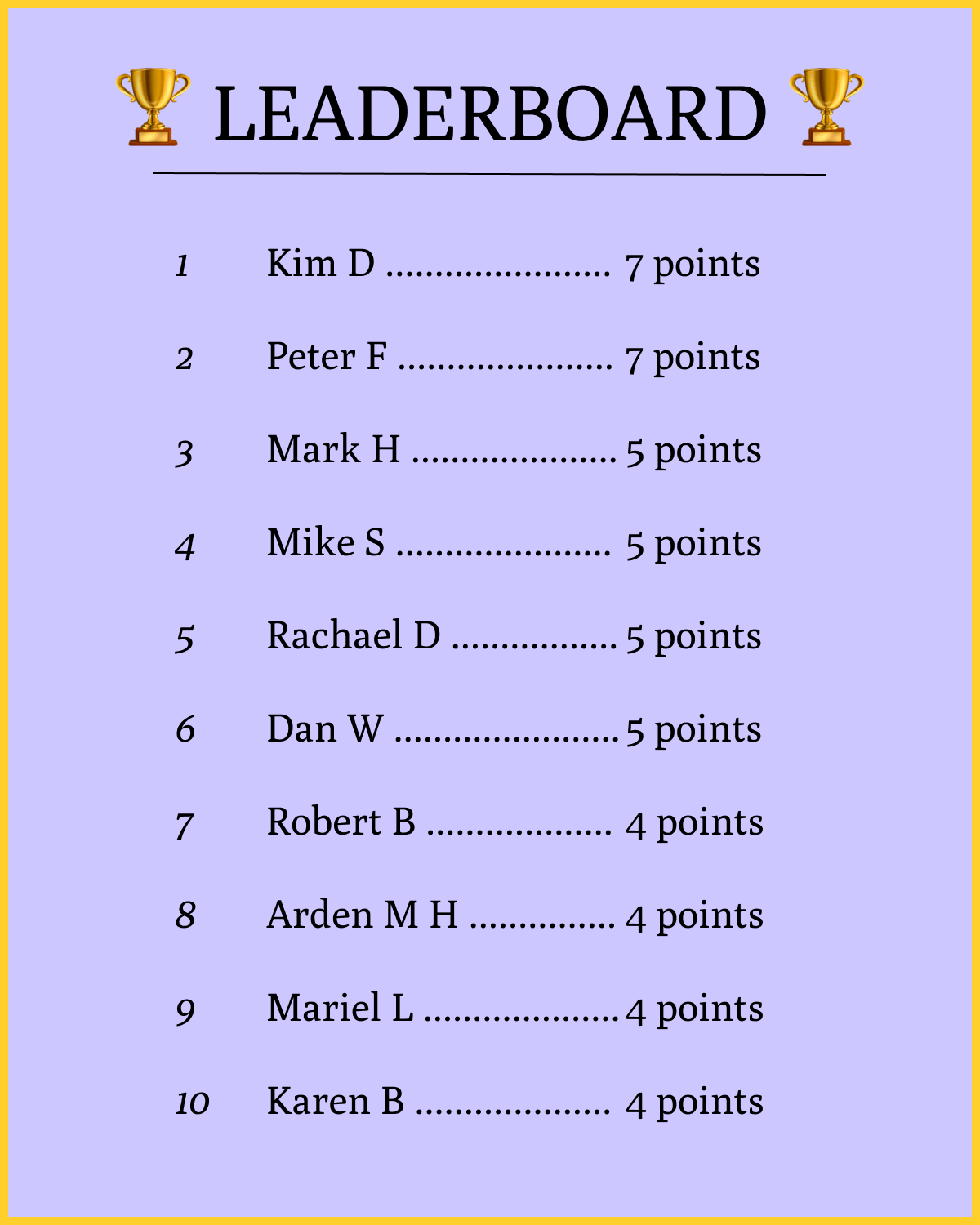
Well done, all you geography scavenger hunters! Here is the leaderboard as it stands. Last week’s prompt stumped a few of you — it was a photo from Alaska’s Arctic National Wildlife Refuge.
This time, we’re turning our eyes to the big blue. Take a moment to sit with this photo:
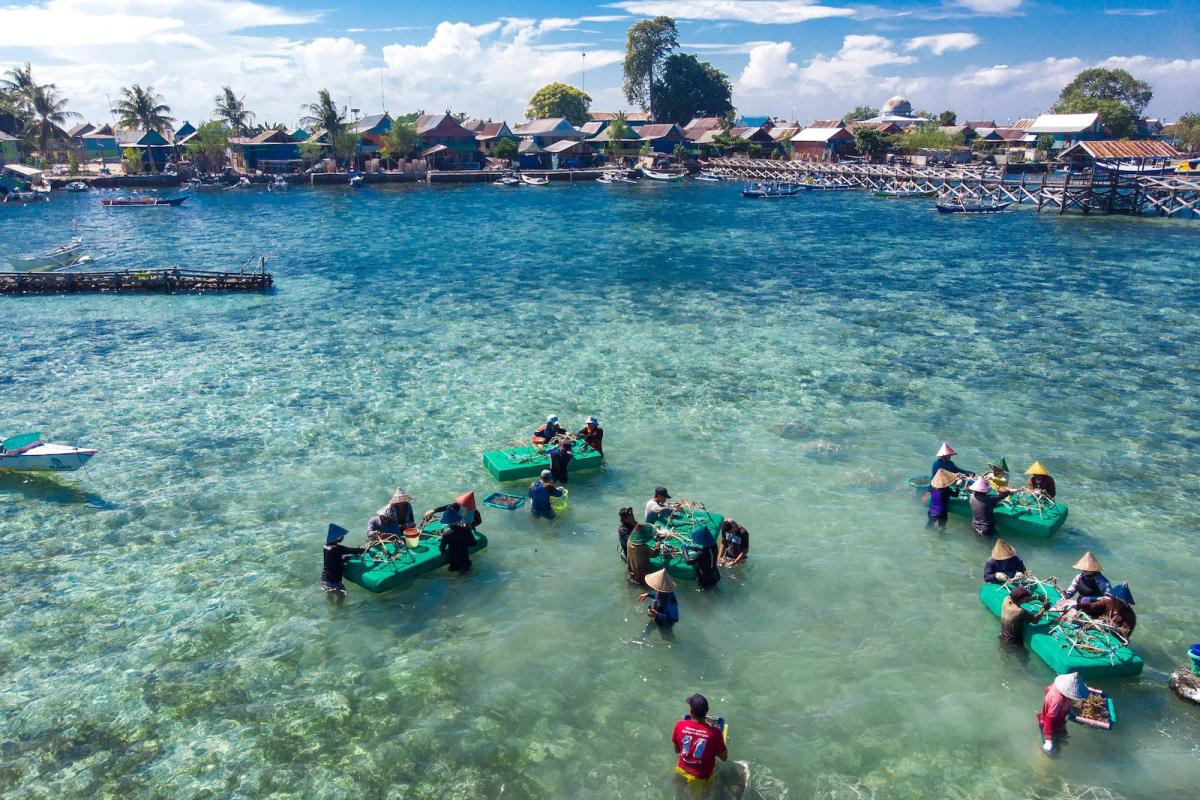
Do you think this photo is in:
- Honolulu, Hawai’i
- Cairns, Australia
- Tobacco Caye, Belize
- Sulawesi, Indonesia
- The Galápagos Islands
>>> Submit your answer here. (And be sure to follow the instructions to get your points!)
More from Grist
🚲 Out for delivery
“Deliveristas” in New York often brave the elements as they bike and scoot around the city to deliver food and goods to residents. After several delays, the city just opened the first shelter designed specifically for them to rest, recharge, and escape increasingly extreme weather. Read more
🔌 Plug in
Georgia’s largest utility is launching a new program to let industrial customers build their own renewable energy projects and add them to the grid. Companies looking to switch to cleaner energy previously had limited options; this makes it more possible for smaller companies to make the switch. Read more
🌱 Soil in trouble
When Hurricane Helene swept through the Southeast, it damaged one of farmers’ most valuable resources: soil. Here’s how some farmers are working to build back the health of their soil — and contributing to research that will help other growers in future floods. Read more
📚 And one more thing
Remember to RSVP for the next meeting of the Looking Forward book club! We’ll gather on Thursday, May 14, to discuss The Great Transition by Nick Fuller Googins. We’ve concluded our book giveaway — so if you did not get an email from me earlier this week, grab a copy of the book at your favorite bookstore or your local library. Happy reading!
In other news
- Renewable power surpassed natural gas for the month of March, producing more than a third of US electricity (Gizmodo)
- Vermont will soon break ground on its first neighborhood-scale geothermal project (Canary Media)
- Maine has officially become the first state to pass a ban on large data centers (Inside Climate News)
- The EV charger build-out is picking up in the US, though it’s still playing catch-up with EV demand (Los Angeles Times)
- Seeing the failed potential of ‘sharing economy’ apps, this Washington Post reporter started his own — focused on the sharing part (The Washington Post)
And finally, looking forward to …
… a future that, despite our fears (or rather, thanks to our fears and dogged efforts), turns out OK. This drabble, titled “TOLD YOU SO,” is from Looking Forward reader Jessica Riches.
🥕☀️🥕
Her brother had forwarded her all of the articles and petitions. He had printed out graphs about food shortages during Christmas dinner 2026 and 2027. He had cried at the kitchen table in 2028, then disinvited the family from his wedding.
And for what?
“I told you everything was going to be fine,” she says, pulling carrots from their garden grass.
He thinks of the things he could tell her: meetings on ‘rebranding’ progressive solutions, blisters from campaigning, how close they came.
“Yeah,” he says, smiling at the solar panels on every roof, the wind turbines further afield. “You did.”
— a drabble by Jessica Riches
🥕☀️🥕
A drabble is a 100-word piece of fiction — in this case, offering a tiny glimpse of what a clean, green, just future might look like. Want to try writing your own (and see it featured in a future newsletter)? We would love to hear from you! Please send us your visions for our climate future, in drabble form, at [email protected]
👋 See you next week!