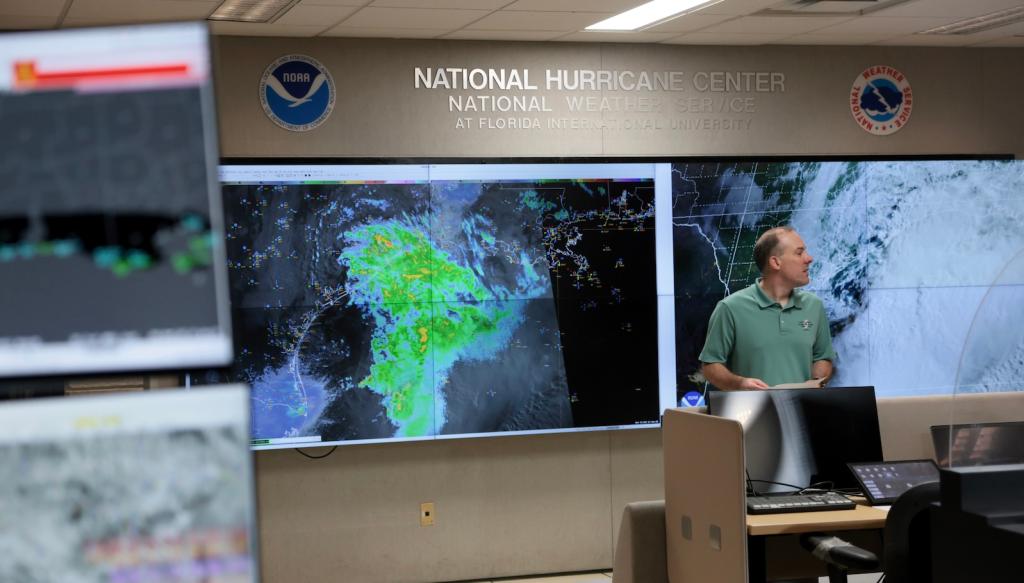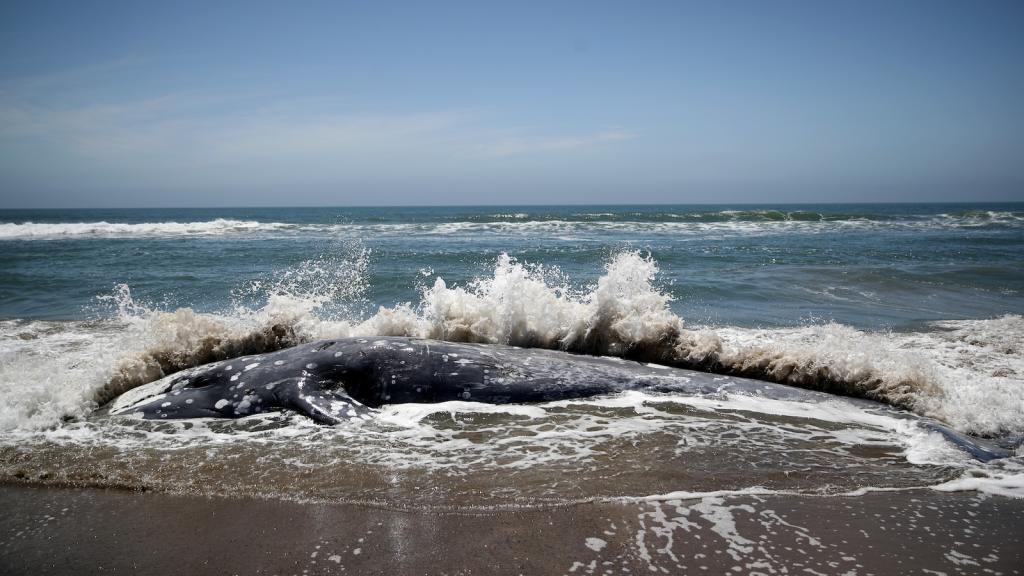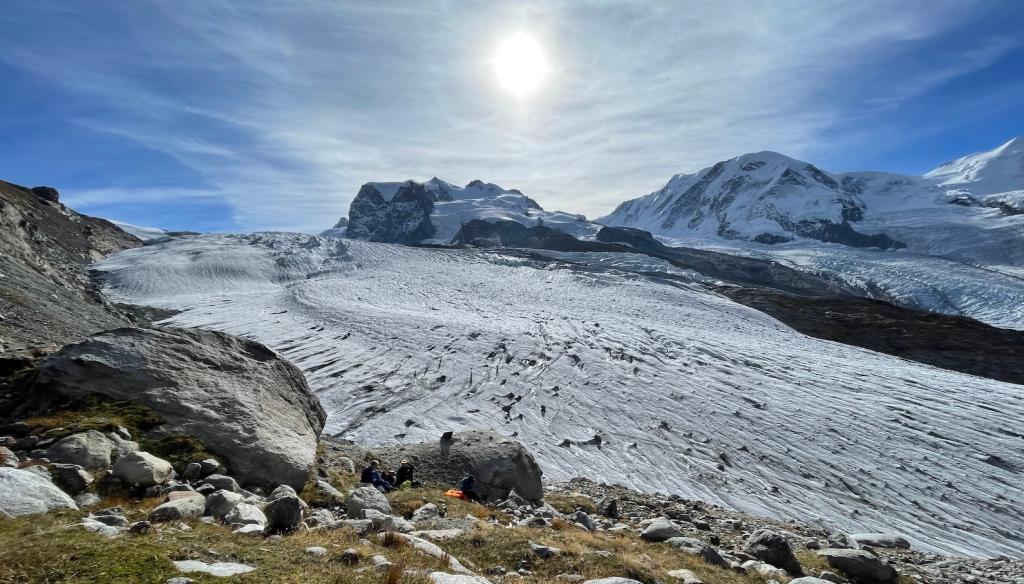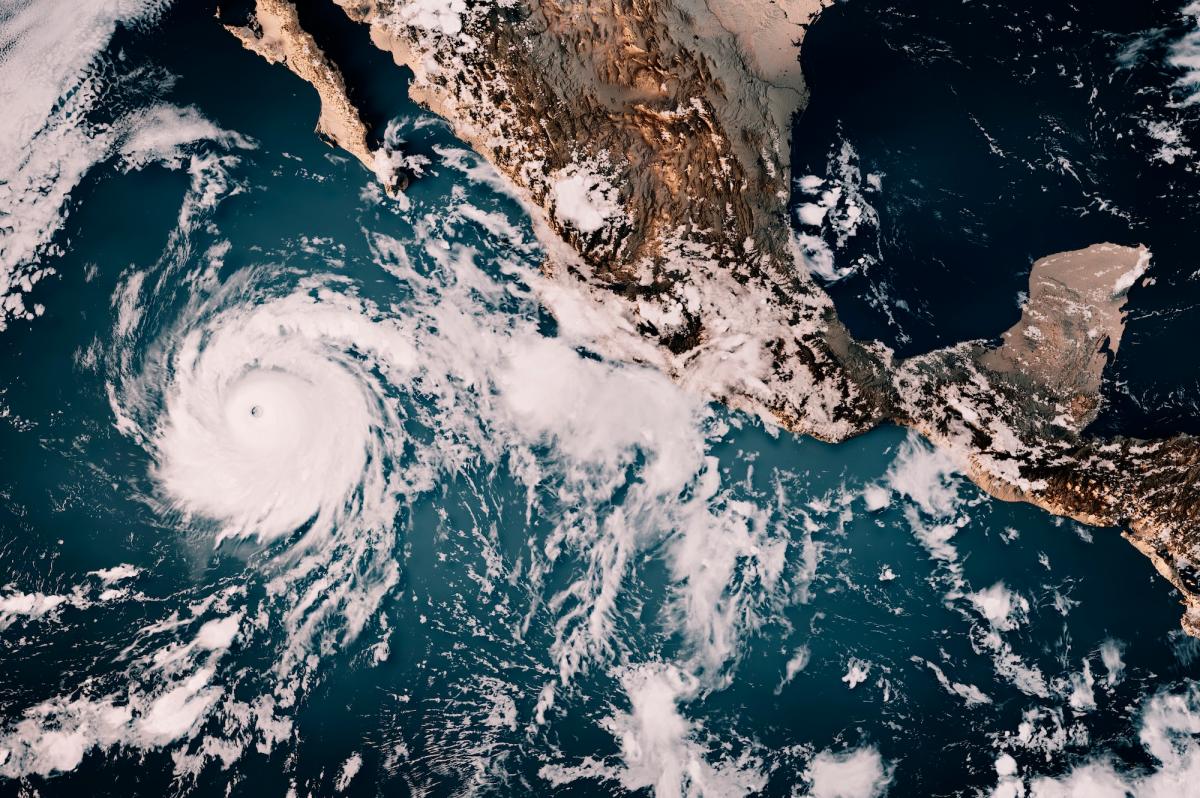
By now, you’ve seen the headlines, and there’s more of them every day: It’s “jaw-dropping.” It’s poised to make global warming worse. California has just declared a statewide state of emergency. This year’s El Niño — a shift in Pacific Ocean trade winds that scrambles global weather patterns — has been hotly discussed as one of the strongest on record, and one that could bring about potentially disastrous consequences. One study projects that it may cause as many as 451,000 heat-related deaths around the world by February.
The current El Niño has also been given an array of eye-catching descriptors. When Jeffrey Shaman, a climatologist at Columbia Climate School, heard the phrase “super El Niño” for the first time earlier this year, he said, “I literally googled it.” The phrase isn’t officially used by the National Oceanic and Atmospheric Administration or the World Meteorological Organization. But he still sees value in the label as a way of communicating the significance of this year’s likely unprecedented El Niño to the general public. ... Read more