Japan
-
![]()
![]()
Crowd-sourced radiation maps put the hivemind to work for public health
Map: RTDN.org and Google Maps What if Foursquare were good for something? It might look a little like this. Crowd-sourced maps of radiation in Japan allow anyone with a radiation detector to log their reading, resulting in real-time information with potentially as many data points as there are users. RTDN.org, put together by Portland's Uncorked […]
-
More Fukushima workers hospitalized — what’s next?
Two more Fukushima workers were hospitalized today after being exposed to radioactive material — it seeped into their boots while they were working. Thirty-two are already in the hospital. And with 300 workers still at the site, there's potential for a lot more injuries. What's the worst-case scenario? Well, the situation at Fukushima is not […]
-
![]()
![]()
Why is no one talking about how bad the Japan nuke disaster could be?
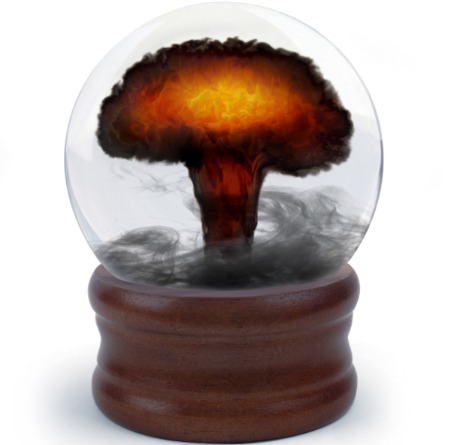
Let’s hope the future doesn’t hold this. This is adapted from a post at TomDispatch; you can read the longer version here. “Not as bad as Chernobyl”? It might be better to describe the situation at Japan’s Fukushima nuclear plant as “remarkably unlike Chernobyl” in rural Ukraine, where, almost 25 years ago, a single uncontained […]
-
We CAN Do Something About Tsunami Devastation
The ferocious tsunami that devastated Japan’s coast is a tragic reminder that we have an uneasy relationship with our oceans. While we can’t prevent earthquakes, we can minimize at least some of the damage from tsunamis on American shores by dealing with climate change and rising ocean levels now. March 20th marked the beginning of […]
-
![]()
![]()
What we can learn from Japan’s nuclear disaster
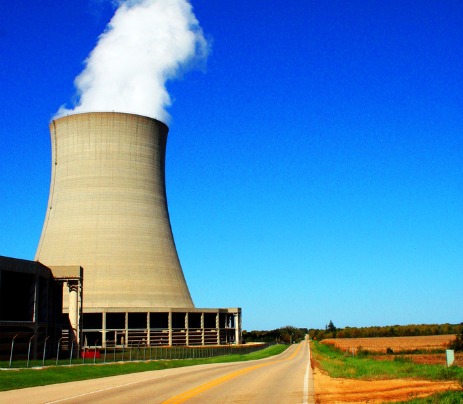
Nuclear plants: unsafe, uneconomic, and unnecessary.Photo: Thomas AndersonCross-posted from the Rocky Mountain Institute. As heroic workers and soldiers strive to save stricken Japan from a new horror — radioactive fallout — some truths known for 40 years bear repeating. An earthquake-and-tsunami zone crowded with 127 million people is an unwise place for 54 reactors. The […]
-
![]()
![]()
Japan’s 200 mph trains sail through earthquake with flying colors
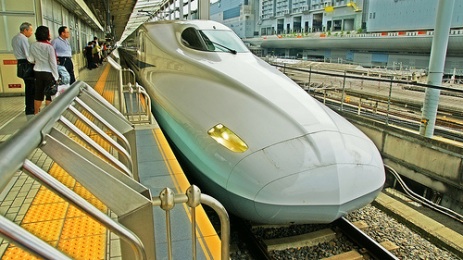
Train, to earthquake: “Suck it!”Photo: kiyoshi.beThe tsunami that struck Japan had a devastating effect on at least four trains closest to the epicenter of the quake, washing them away completely. But in the rest of the country, it appears that the earthquake and its aftershocks only derailed a single passenger train, even through the entire main […]
-
![]()
![]()
So much for all that new nuclear energy we were going to build
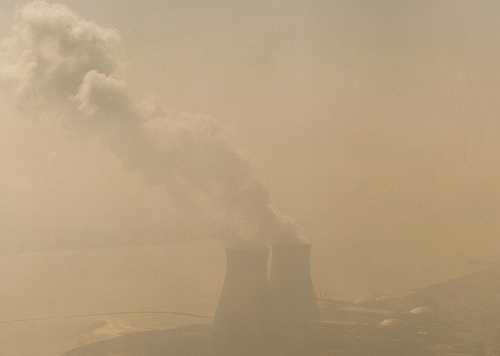
Photo: Joost J. Bakker The possibly-impending meltdown of three very shaky nuclear reactor cores at the Daiichi plant in Fukushima, Japan, isn’t doing much for the public image of nuclear power, a source of energy about which fans of planet Earth are divided. Kate Sheppard, Mother Jones‘ enviro reporter on the Hill, speculates on Twitter […]
-
![]()
![]()
In post-quake Tokyo, bicycle transport is newly popular
A new bike commuter? Maybe.Photo: Byron KiddIn the aftermath of Friday’s earthquake, which disrupted public transit, residents of Tokyo are turning to bicycles to make the trip to and from work. That’s the word from Byron Kidd, who blogs at Tokyo by Bike. I had seen him tweeting after the quake about an increase in […]
-
![]()
![]()
What will the Japan disaster mean for U.S. nuclear power?
The Diablo Canyon nuclear power plant is several miles from a seismic fault.Photo: MaryaCNN just published an opinion piece that I wrote with Richard Caperton, a policy analyst at the Center for American Progress Action Fund. Here it is: The recent history of the U.S. nuclear industry suggests that nuclear power can be a safe […]