toxics
-
A five-fingered review of less-toxic nail polishes
If you’ve ever gone in for a manicure and, getting a good whiff of the stuff, wondered what sort of chemicals create a smell like that, you’ve hit the nail polish issue on the head. Those tiny little glass bottles of paint that we apply so gingerly to our fingernails and toenails — and unless […]
-
![garden pool plants]()
![garden pool plants]()
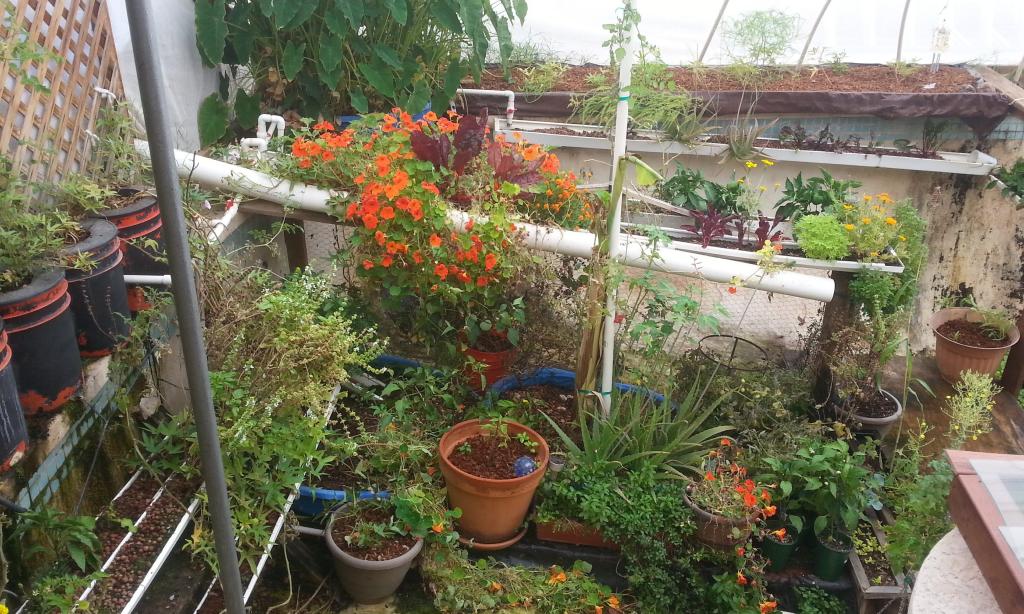
Why should gardeners worry about lead?
Lead may no longer be in gasoline, but it's still a major issue.
-
Bush supporter apparently fired for doing her job
An EPA controversy brewing in the Midwest calls to mind the U.S. attorneys scandal, as Brad Johnson noted yesterday. Top officials in the agency have forced Mary Gade, head of the EPA’s Region 5 office in Chicago, to step down from her post or be fired by June 1. The ouster comes after Gade pressured […]
-
Top EPA official forced out by political appointees
Cross-posted from the Wonk Room.
 I've previously described Environmental Protection Agency Administrator Stephen L. Johnson as "the environment's Alberto Gonzales." After years of scandal as White House Counsel and Attorney General, Gonzales finally resigned after it was revealed that numerous U.S. attorneys were fired without cause under his watch.
Now it seems the EPA is following the Department of Justice's efforts to rid itself of staffers who are not "loyal Bushies."
The Bush administration forced its top environmental regulator in the Midwest to quit Thursday after months of internal bickering about dioxin contamination downstream from Dow Chemical's world headquarters in Michigan.
In an interview with the Tribune, Mary Gade said two top political appointees at the U.S. Environmental Protection Agency headquarters in Washington stripped her of her powers as regional administrator and told her to quit or be fired by June 1. -
Home Depot announces an end to traditional pesticide sales in Canada
For consumers concerned about pervasive toxics in the environment, this has been a very good Earth Week. Especially if you live in Canada.
Home Depot announced this week that it would stop selling "traditional" lawn and garden pesticides in all its Canadian stores.
The reason? Consumers don't want them anymore. People in Canada seem to have discovered that you don't need to spread poisons around your yard in order to garden. Amazing! A huge part of that awakening is happening because of committed advocates, particularly from the public health community, that have helped lead hundreds of local by-laws in communities around Canada that have ended the use of "cosmetic" pesticides on lawns & gardens.
I am trying to imagine what it would be like to walk into the garden aisle in a big-box home improvement store without the noxious bags of granulated death ... I think I like it.
The bell is tolling in Canada for lawn & garden pesticides. I hope we catch whatever they've got.
-
Nalgene dumps estrogenic ingredient
Have you been fretting over the reports of gender-bending pollutants leaching from reusable water bottles? Finally, some good news: Nalgene is dumping polycarbonate plastic, according to a report in The New York Times today.
Nalgene made its decision in response to Health Canada's announcement earlier this week that it would list bisphenol A as a toxicant. BPA is the estrogenic plastic additive that makes polycarbonate a dubious choice for food and beverage containers. Grist reported earlier this week that the National Institutes of Health is also expressing increased concern about the chemical, which has been at the center of a battle over industry influence over consumer safety standards.
Next stop on the BPA express: Wal-Mart says it will be dumping BPA from baby bottles later this year. The chemical is still widely used in baby bottles, the linings of steel cans used for canned food, water coolers, compact discs, and plenty of other consumer products.
At least the campers can gulp freely.
-
Thirty years ago, high crop prices caused environmental destruction, too
Last week, I wrote about high crop prices that were inspiring people to make all manner of dubious land-use decisions, like plowing up environmentally sensitive land to plant environmentally destructive corn. Then I came across an interesting bit from Merchants of Grain: The Power and Profits of the Five Giant Companies at the Center of […]
-
A toxic tour, coming to a city near you
The Comprehensive Environmental Response, Compensation and Liability Act -- better known as the Superfund -- was born in 1980, largely in response to the Love Canal disaster. At the time, experts thought the allocated $1.6 billion would more than cover the costs of cleaning up the sites. But today, the fund is exhausted (it officially went broke in 2003), and as of September 2007, there are 1,315 final and proposed sites with thousands more awaiting approval. So it is taxpayers, instead of the polluting companies, that are footing the bill. Still, few people -- except, perhaps, those who live near a Superfund site -- know about this toxic legacy.
Artist Brooke Singer has decided to make it relevant again. Last year, she and her team began visiting one toxic site per day, starting at a chemical plant in New Jersey, then jumping over to some zinc piles in Pennsylvania, then some landfills in Connecticut. They have cataloged all the toxics data, plus photos and histories, all on a cool visualization application called Superfund365. Visitors to the website are encouraged to contribute their own stories and images as well.
The tour will wrap up next year at the Pearl Harbor Naval Complex in Hawaii. Hopefully by that time, thanks to Singer and co., Americans will be more aware of the problem ... and of the people who live with it daily.
-
Farmworker Awareness Week is a chance to recognize the people whose labor means we can eat
This is Farmworker Awareness Week, a time to support the millions of farmworkers whose labor puts food on every American table, and who work and live in some of the worst environmental conditions in our nation.
It's estimated that 2 to 3 million farmworkers plant, tend, and harvest American crops every year. Many farmworkers in the U.S. are migrants who move from place to place following the harvest. Where I live, in North Carolina, migrant farmworkers are the majority. The average annual income for a farmworker in the United States is about $11,000, or about $16,000 for a farmworking family (though pay on the East Coast is lower than the national average). Farmworkers live in overcrowded housing and very few receive health care or unemployment benefits. Here in North Carolina, about half of our farmworkers cannot afford enough food for themselves and their families.