United States
-
Under the Wire
Electromagnetic fields from home wiring, appliances, and power lines do not appear to cause breast cancer, according to a $2.5 million study of more than 1,100 women living in Long Island, N.Y. The study, published today in the online edition of the American Journal of Epidemiology, was part of the much larger Long Island Breast […]
-
Weed Between the Lines
In a finding that undermines one key argument in favor of genetically modified (GM) crops, researchers at Iowa State University have discovered that a number of “superweeds” have developed a resistance to Monsanto’s widely used Roundup herbicide. Monsanto has engineered crops that are tolerant of Roundup, the idea being that the chemical would kill everything […]
-
The Fat of the Land
Sprawl has been accused of many evils, but here’s a new one: It may make you fat. While suburban residents drive to get most places they go, many city dwellers walk or ride bikes, and that physical exercise seems to keep urbanites slimmer. “[I]f you choose to live in a sprawling environment, you are more […]
-
![]()
![]()
Who needs Superfund when we’ve got reality TV?
By the end of the year, only $28 million will be left in the U.S. EPA’s Superfund account. Superfund pays for the reclamation of abandoned toxic-waste sites, and $28 million barely affords a study just to figure out how to clean up one of the 1,200 deserted dumps wasting away in American communities. Money’s tight […]
-
Idle Trucks Are the Devil’s Playthings
New gadgetry at truck stops could help slash pollution from idling big rigs. Most truck drivers across the U.S. leave their vehicles’ engines running all night while they’re parked at truck stops because it’s the only way to keep the heating or air conditioning on while they get some shuteye. Between 840 million and 2 […]
-
![]()
![]()
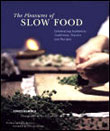
Ali Macalady reviews Safe Food by Marion Nestle and The Pleasures of Slow Food by Corby Kummer
In 2001, Eric Schlosser published Fast Food Nation -- an expose of America's increasingly consolidated and industrialized food system, and how that system contributes to a whole range of societal ills, from obesity and resistance to antibiotics to urban sprawl, habitat destruction, and poor labor conditions. The book was a smashing success -- 66 weeks and running on the New York Times bestseller list -- and it captured the nation's attention in a way no book about food has since Upton Sinclair's The Jungle, the 1906 classic about the Chicago meatpacking industry.
-
The Evidence Is Thin
A new report by the federal government has found that very few forest-thinning projects have been stalled by appeals from environmentalists, giving the lie to allegations to the contrary by the Bush administration. The General Accounting Office reported yesterday that the U.S. Forest Service was able to proceed with 95 percent of thinning projects within […]
-
![]()
![]()
Republicans for Environmental Protection need not be an oxymoron
In the seven years since I cofounded Republicans for Environmental Protection, officially known as REP America, I have answered two questions more often than any others: “Isn’t Republicans for Environmental Protection an oxymoron?” And, “If you care so much about conservation and environmental protection, why don’t you become a Democrat?” The first one is easy […]
-
Looting is as American as apple pie
Note: You’ll need Flash Player to watch the movie. If you don’t have it, download it now.