Climate Food and Agriculture
Climate + Food and Agriculture
EDITOR’S NOTE
Grist has acquired the archive and brand assets of The Counter, a decorated nonprofit food and agriculture publication that we long admired, but that sadly ceased publishing in May of 2022.
The Counter had hit on a rich vein to report on, and we’re excited to not only ensure the work of the staffers and contractors of that publication is available for posterity, but to build on it. So we’re relaunching The Counter as a food and agriculture vertical within Grist, continuing their smart and provocative reporting on food systems, specifically where it intersects with climate and environmental issues. We’ve also hired two amazing new reporters to make our plan a reality.
Being back on the food and agriculture beat in a big way is critical to Grist’s mission to lead the conversation, highlight climate solutions, and uncover environmental injustices. What we eat and how it’s produced is one of the easiest entry points into the wider climate conversation. And from this point of view, climate change literally transforms into a kitchen table issue.
Featured
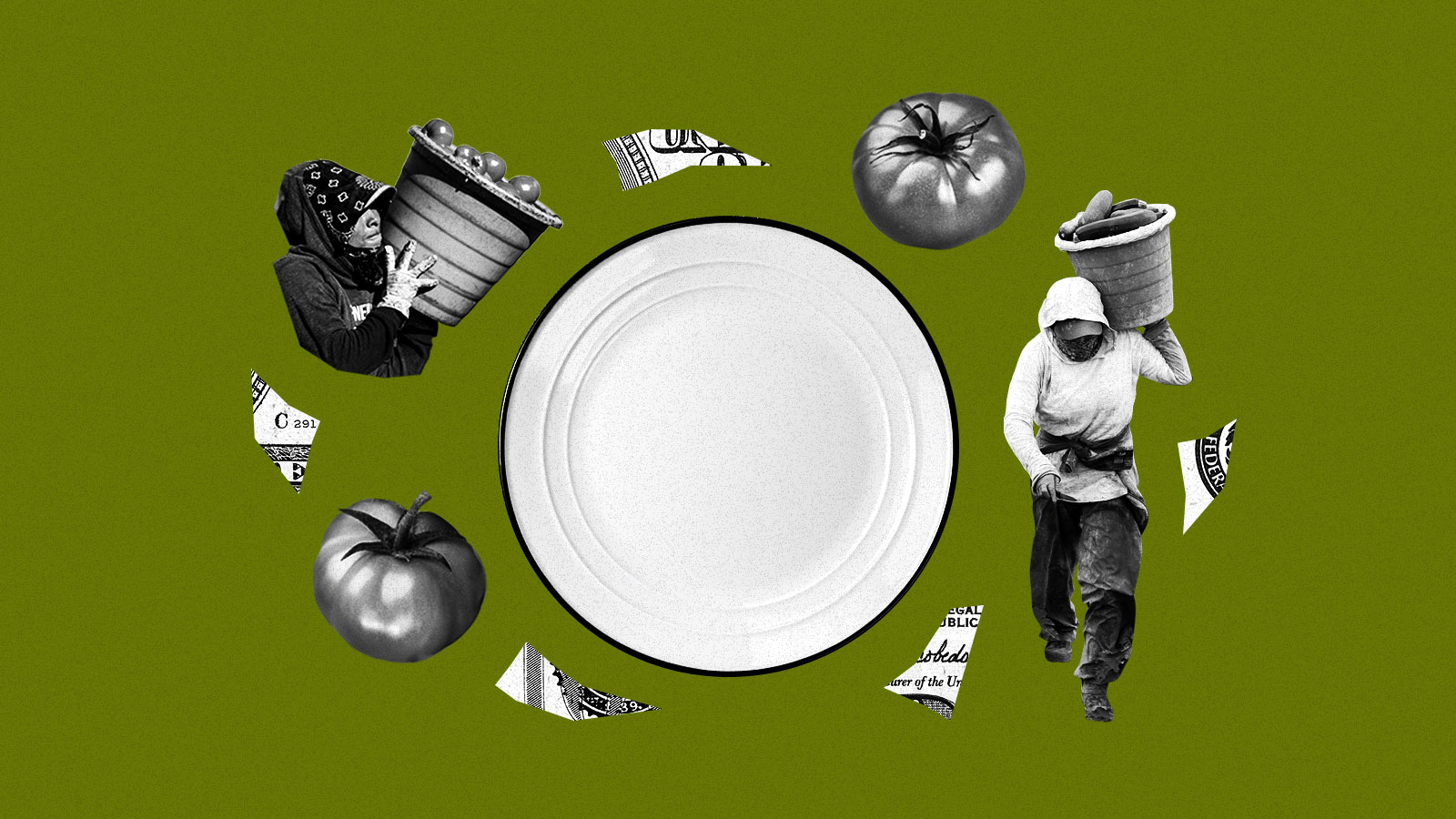
The people who feed America are going hungry
Climate change is escalating a national crisis, leaving farmworkers with empty plates and mounting costs.
Latest Articles
-
![]()
![]()
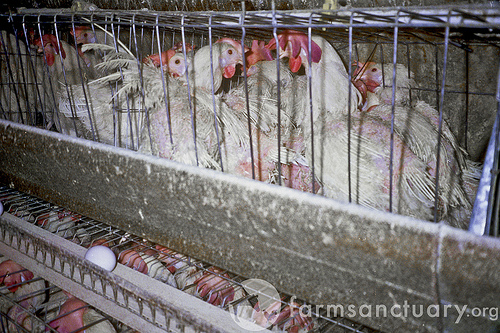
Who really benefits from the egg industry deal?
An agreement between the Humane Society and United Egg Producers to seek federal legislation for better henhouse conditions is still a long way from having any real effect.
-
![]()
![]()
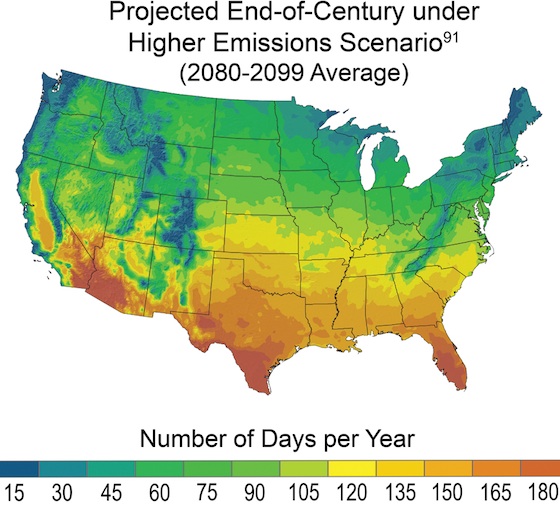
Why this drought will be way, way worse than the last one
A New York Times article about the current drought in the South compares it to a record-setting dry spell 60 years ago:
Climatologists say the great drought of 2011 is starting to look a lot like the one that hit the nation in the early to mid-1950s. That, too, dried a broad part of the southern tier of states into leather and remains a record breaker.
But this time, things are different in the drought belt. With states and towns short on cash and unemployment still high, the stress on the land and the people who rely on it for a living is being amplified by political and economic forces, state and local officials say. As a result, this drought is likely to have the cultural impact of the great 1930s drought, which hammered an already weakened nation.
But it's not just the economy that's worse now than it was in the 1950s. Water usage is also way, way up. This drought rivals the record-setting 1950s drought -- it's already breaking records in some states -- but it comes at a time when the population is double what it was in 1950, and total water use is more than twice as high.
-
![]()
![]()
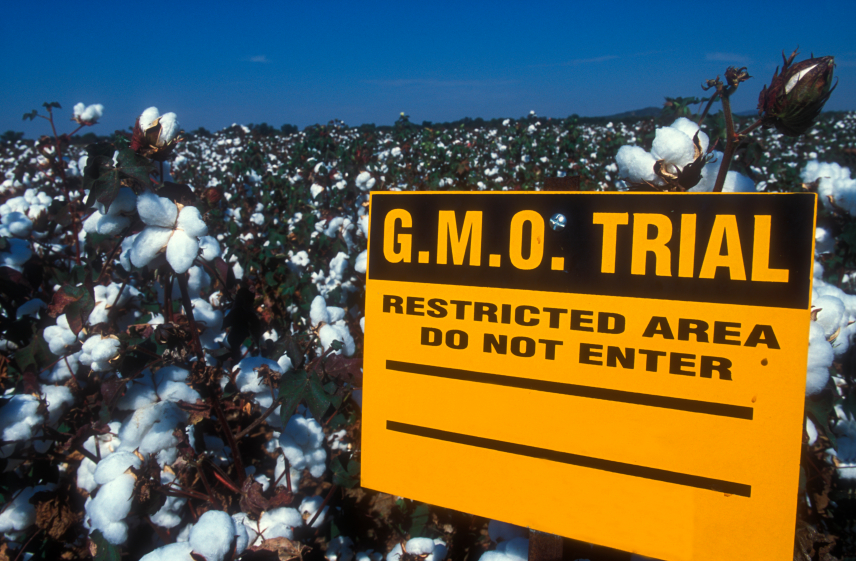
Going rogue: USDA may have just opened the GMO floodgates
Did the USDA just open the floodgates to unlimited, unregulated planting of new genetically engineered crops? It sure looks that way.
-
![]()
![]()
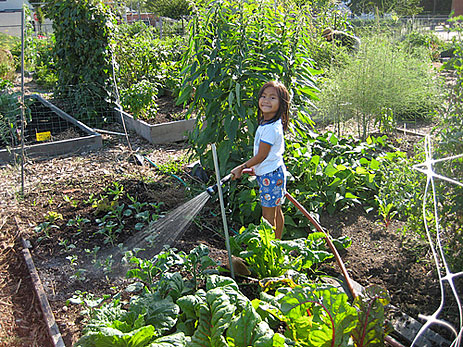
Michigan woman could face jail time for growing a garden
The green movement doesn't have much use for lawns. Yeah, they make suburban enclaves look tidy and uniform, but really, would it be so effing bad if your house had something useful -- say, a vegetable garden -- instead of a high-maintenance water-hog outdoor carpet? What's the worst that could happen? Well, as Michigan woman Julie Bass discovered, if your city planner is certifiably power-crazy, you could be looking at 93 days in jail.
-
![]()
![]()
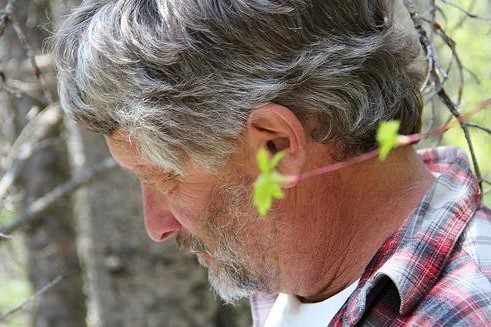
Foraging in the Land of Enchantment [VIDEO]
Daniel Klein learns how to forage for edibles in the woods from a nomadic University of New Mexico professor.
-
![]()
![]()
Whew: FDA confirms E. Coli in food is illegal
Food safety advocate Bill Marler has served as one of the most persistent voices covering the deadly German E. coli outbreak and warning that the same thing could happen in the U.S. One of his concerns comes from the fact that the FDA has been cagey about exactly which of the many disease-causing strains of E. coli are considered illegal in food.
-
![]()
![]()
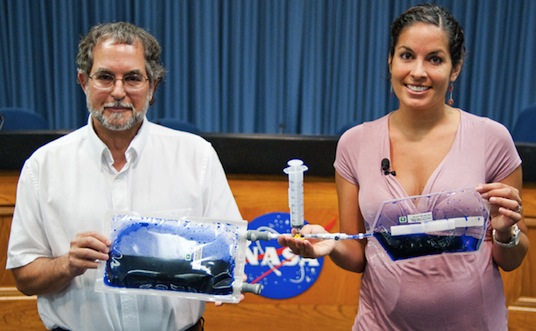
NASA's zero-power gadget turns urine into Capri Sun
Here's the big innovation that will be accompanying the space shuttle on its final launch this Friday: A zero-energy still that converts urine into a sweet, drinkable liquid. Still want to be an astronaut when you grow up?
-
![]()
![]()
GOP votes against food safety — again
The House voted to kill the USDA's Microbiological Data Program, which tests produce for pathogens like E. coli.
-
![]()
![]()
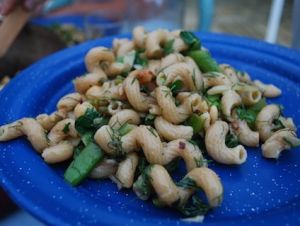
Tom's Kitchen: pasta with snap peas and fennel
Snap peas and parsley and fresh hearts of fennel ... these are a few of my favorite things.
-
![]()
![]()
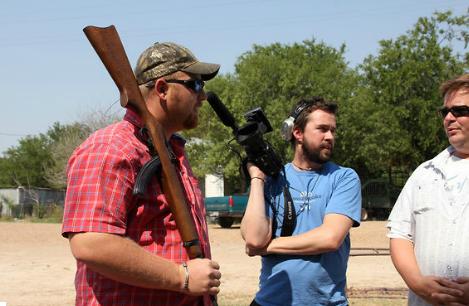
Hunting feral pigs in Texas [VIDEO]
Nonnative feral pigs in Texas cause millions of dollars of damage each year and wreck local ecosystems. The best way to keep them from running hog-wild so far is to hunt them -- so I join in on a Texas-style hog hunt to find out if they're as delicious as they are destructive.