Climate Food and Agriculture

Climate + Food and Agriculture
EDITOR’S NOTE
Grist has acquired the archive and brand assets of The Counter, a decorated nonprofit food and agriculture publication that we long admired, but that sadly ceased publishing in May of 2022.
The Counter had hit on a rich vein to report on, and we’re excited to not only ensure the work of the staffers and contractors of that publication is available for posterity, but to build on it. So we’re relaunching The Counter as a food and agriculture vertical within Grist, continuing their smart and provocative reporting on food systems, specifically where it intersects with climate and environmental issues. We’ve also hired two amazing new reporters to make our plan a reality.
Being back on the food and agriculture beat in a big way is critical to Grist’s mission to lead the conversation, highlight climate solutions, and uncover environmental injustices. What we eat and how it’s produced is one of the easiest entry points into the wider climate conversation. And from this point of view, climate change literally transforms into a kitchen table issue.
Featured
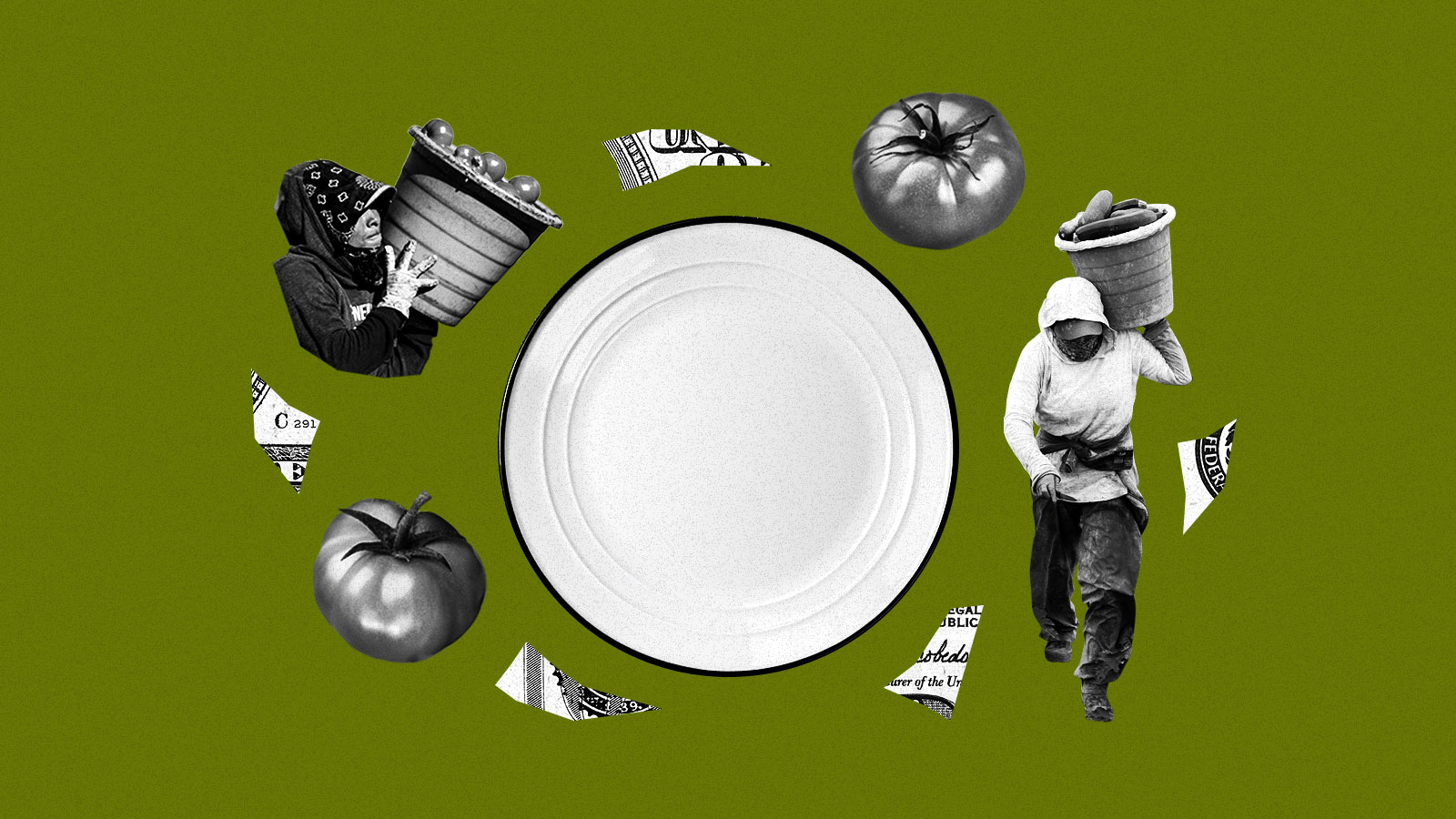
The people who feed America are going hungry
Climate change is escalating a national crisis, leaving farmworkers with empty plates and mounting costs.
Latest Articles
-
![]()
![]()
Give 7-Up to your baby!
Hey, whatever else is wrong with our current cultural relationship with sugar water, at least nobody's pushing it as a baby formula alternative anymore, right? This 1956 ad says that 7-Up is "so wholesome" that "lots of mothers" give it to their babies. The company's evidence for this wholesomeness? They list the ingredients, even though they don't have to!
-
![]()
![]()
How wallaby farts could save the atmosphere
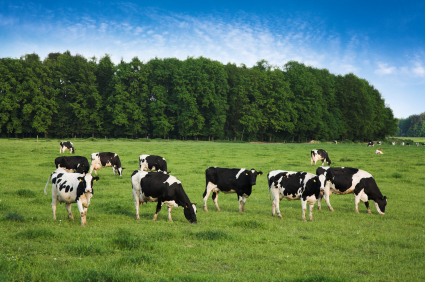
Scientists have long known that cows are big contributors to global warming. Livestock produce more than a quarter of the world's global methane emissions every year, and 20 percent of methane emissions in the U.S. It's a side effect of ruminant digestion, and aside from strapping your entire herd into carbon-filter diapers, there's no quick fix -- to cut emissions, you have to carefully manage cattle nutrition so they don't offgas as much. Or so we thought. That was before we discovered wallaby farts.
-
![]()
![]()
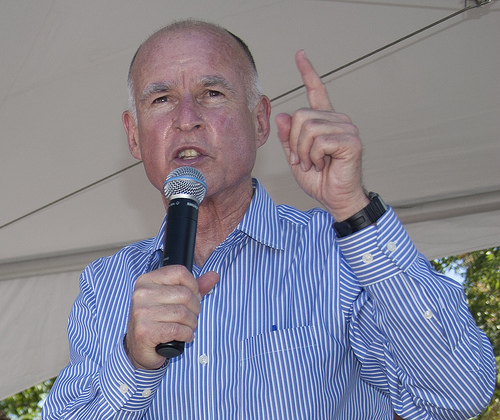
Jerry Brown 2.0: friend or foe of farmworkers?
This week Jerry Brown vetoed the Fair Treatment for Farm Workers Act, which would have improved working conditions for California farmworkers.
-
![]()
![]()
How the meat industry turned abuse into a business model
As a long-time student of the meat industry, I read Ted Genoways' extraordinary article on conditions at the "head table" of a factory-scale pig-processing plant with delight. As a human being, my reaction was revulsion.
-
![]()
![]()
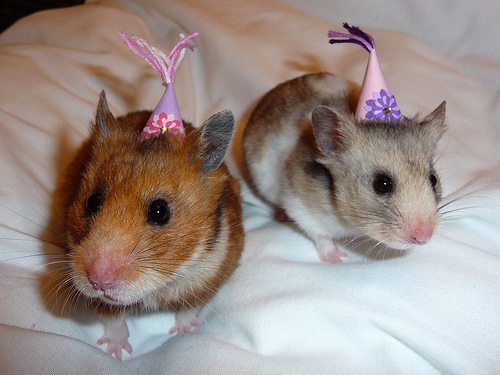
BPA makes male mice into mincing little nancymice
In the patriarchy (that's Women's Studies for "dicktopia") we live in, there is pretty much no worse fate than wussification. So in a way, we're glad to hear that Bisphenol A, an organic compound found in a lot of plastics, makes male mice act less masculine. Maybe this will induce Girl Panic in some of the straight dudes who run things, and we can finally get the stuff taken out of our baby bottles, plastic packaging, and cans.
-
![]()
![]()
How rainforests can produce biofuel sustainably
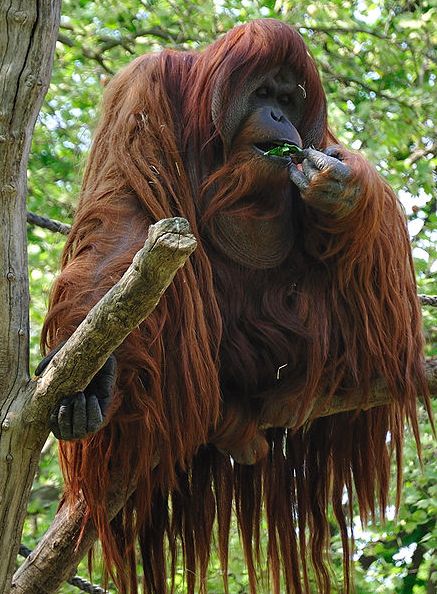
Production of biofuel from palm oil has been an unmitigated disaster for the rainforest, leading to clear-cutting throughout Indonesia and propelling that country to the top ranks of the world's largest greenhouse gas emitters. That's why it's so strange that biologist Willie Smits, last seen cooking up a plan to save orangutans, thinks that biofuels could actually save the rainforest.
-
![]()
![]()
America's first no-packaging grocery store coming to Austin
Within the next year, Austin, Texas, could be home to In.gredients, a grocery store that eliminates the paper and plastic containers that most food comes in. Instead, the zero-packaging store will offer most of its wares in bulk bins. (Some products will be “packaging-light” instead, with recyclable containers.) Customers can bring their own boxes and bottles or borrow compostable ones from the store, weigh them, and fill them with goodies. This includes beer (bring your own growler!) and cleaning products.
-
![]()
![]()
Why laying off ag reporter Philip Brasher is bad for food
Reporter Philip Brasher was recently let go by the Des Moines Register. Here's why you should be concerned about the future of food in this country.
-
![]()
![]()
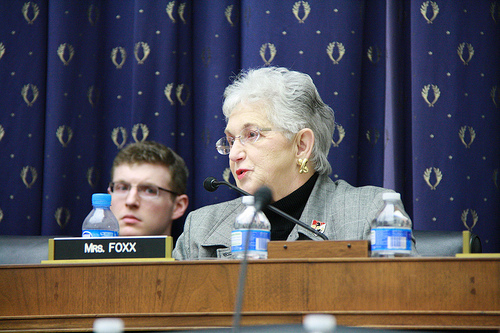
There's a Foxx guarding the ag-policy henhouse
Rep. Virginia Foxx recently sponsored an amendment to shut down the USDA's Know Your Farmer, Know Your Food initiative.
-
![]()
![]()
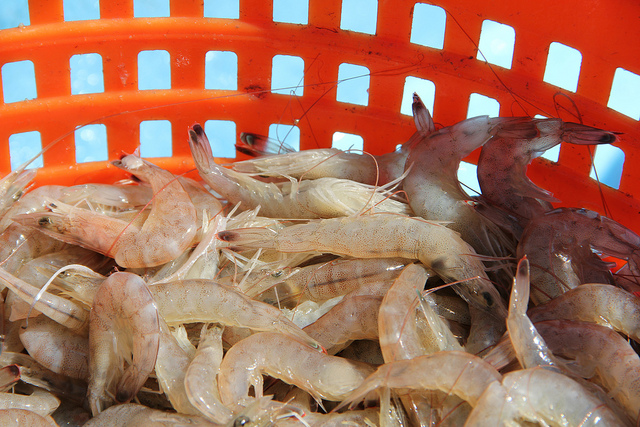
Gulf shrimping after the BP oil spill [VIDEO]
The future of fishing and shrimping in the post-BP Gulf may still be up in the air, but through the lens of one resourceful fisher we can at least confirm one thing: The food is still awesome.