Climate Food and Agriculture
Climate + Food and Agriculture
EDITOR’S NOTE
Grist has acquired the archive and brand assets of The Counter, a decorated nonprofit food and agriculture publication that we long admired, but that sadly ceased publishing in May of 2022.
The Counter had hit on a rich vein to report on, and we’re excited to not only ensure the work of the staffers and contractors of that publication is available for posterity, but to build on it. So we’re relaunching The Counter as a food and agriculture vertical within Grist, continuing their smart and provocative reporting on food systems, specifically where it intersects with climate and environmental issues. We’ve also hired two amazing new reporters to make our plan a reality.
Being back on the food and agriculture beat in a big way is critical to Grist’s mission to lead the conversation, highlight climate solutions, and uncover environmental injustices. What we eat and how it’s produced is one of the easiest entry points into the wider climate conversation. And from this point of view, climate change literally transforms into a kitchen table issue.
Featured
The people who feed America are going hungry
Climate change is escalating a national crisis, leaving farmworkers with empty plates and mounting costs.
Latest Articles
-
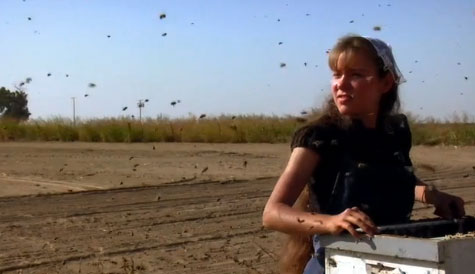
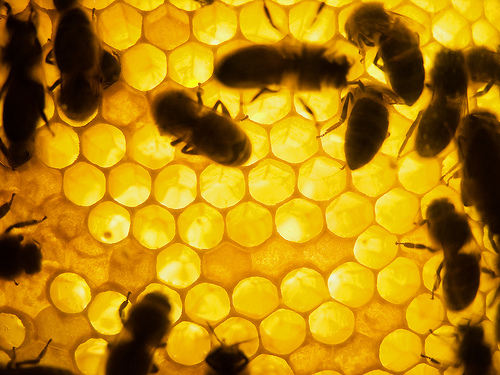
A buzzworthy new documentary
What's killing all the bees? Colony -- No Bees. No Honey. No Work. No Money. goes deep into the buzzing hive of the anxious beekeepers themselves to find out what they'll do if no one finds out the answer.
-
![]()
![]()
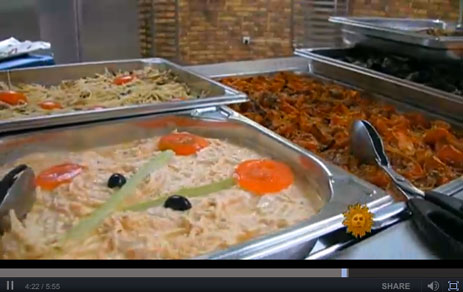
The French serve up one helluva school lunch
France clearly represents the gold standard for school lunch programs, while it's unclear whether America can manage even the mildest reform of ours.
-
![]()
![]()
The future of urban agriculture is not about the 10-mile diet
Urban agriculture is a movement in transition. Agriculture has a vital role to play in cities, but it must be done in a way that keeps the urban fabric intact.
-
![]()
![]()
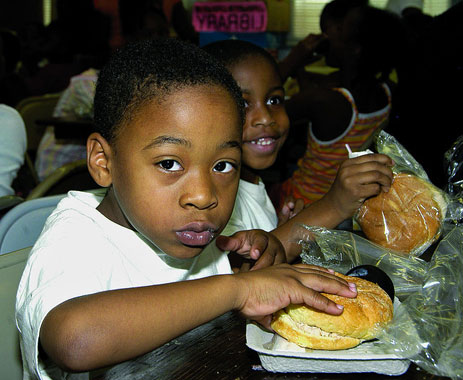
Americans hate feeding poor children at school
School food advocates -- myself included -- who would love nothing better than to see reheated chicken nuggets and tater tots replaced with fresh food cooked from scratch, need to wise up to the fact that most Americans just don't care.
-
![]()
![]()
We agree: Oil companies should support Victory Gardens
A 1944 ad by the oil behemoth's old incarnation, Standard Oil of California, exhorts Americans to grow their own food -- and buy fertilizer to do so.
-
![]()
![]()
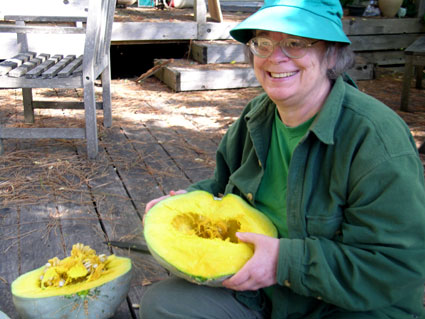
Author Carol Deppe on growing 'lots of delicious food for the least possible work'
In her new book The Resilient Gardener, Carol Deppe shows how global climate change impacts your backyard veggie patch. Here, she tells Grist about why gardeners should forget the "perfect" garden and start cultivating resilience along with good grub.
-
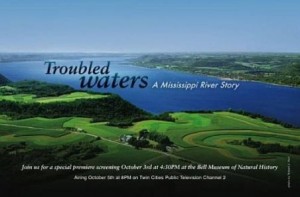
The 'Troubled Waters' of Big Ag’s academic influence
Under pressure from Big Ag, the University of Minnesota postponed the release of a film about agriculture's effect on U.S. waterways. The story of Troubled Waters has developed into a critical debate on academic freedom and the role a university’s donors should play in its research priorities.
-
![]()
![]()
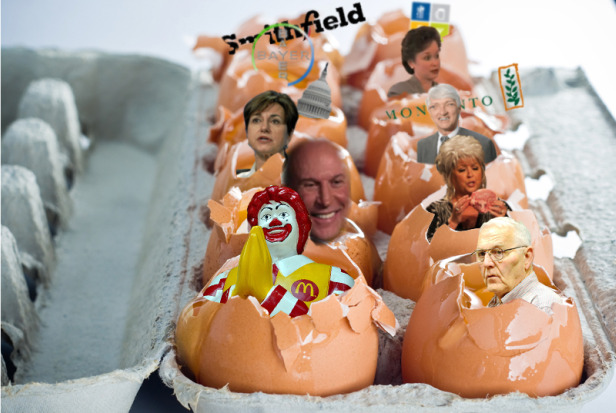
Vote for your favorite villains of food
Grist is rooting out the companies and characters keeping America sick, fat and poisoned. Vote for your Public Food Enemy No 1, and help us take them on
-
![]()
![]()
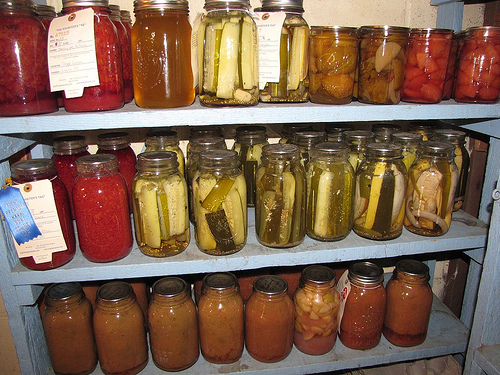
Conserving while preserving: Energy and food storage
I've been canning, freezing, and dehydrating summer's bounty to enjoy in winter. But it bothers me that all these methods use substantial amounts of electricity. Readers, help me out?
-
![]()
![]()
Sorry, New York Times: The bee die-off case is not closed
The New York Times recently declared the case of Colony Collapse Disorder, the great bee die-off, "solved." But the reporting hyped the science and left out important conflicts involving the lead scientist.